Rédaction Africa Links 24 with Oupa Nkosi
Published on 2024-04-12 05:00:21
David Goldblatt, an internationally acclaimed photographer, made a significant impact more than 50 years ago when he worked on commissions for Optima, an in-house publication of Anglo American. Besides doing public relations images for the company, he often assigned himself stories on topics of personal interest. One such story that marked a turning point in his work was on Soweto township, a place hardly known by South Africans, especially white people, in the 1970s.
Describing Soweto as a strange place intentionally designed to discourage people from putting down roots, Goldblatt highlighted the government-built houses that aimed to have residents work in the white economy and return to their tribal homelands. Through collaborations with individuals like writer and poet Sipho Sipamla and singer Margaret Mcingatha, Goldblatt created compelling black-and-white portraits that showcased the human side of the township.
Goldblatt’s approach to photography as a documentarian, without political affiliation, allowed him to tell stories honestly and straightforwardly. His work spanned over six decades, capturing South Africa’s developments beyond physical violence. The book “No Ulterior Motive,” based on collections from the Yale University Art Gallery and The Art Institute of Chicago, showcases his work posthumously and underlines his continued relevance in the art world.
Goldblatt’s legacy extended beyond his photographs, as he founded the Market Photography Workshop in 1989 to nurture aspiring photographers, mostly from disadvantaged backgrounds. The book presents a broader perspective of his life, emphasizing his impact through mentorship, generosity, and love for his fellow South Africans.
In 2017, Goldblatt made a significant decision to withdraw his physical archive and give his work to Yale University, ensuring a digital replica remained in Africa for educational purposes. Despite minor disappointments like repetitive dates in photographs, the book conceptualizes Goldblatt’s work effectively, inviting readers to delve deeper into his captivating narratives.
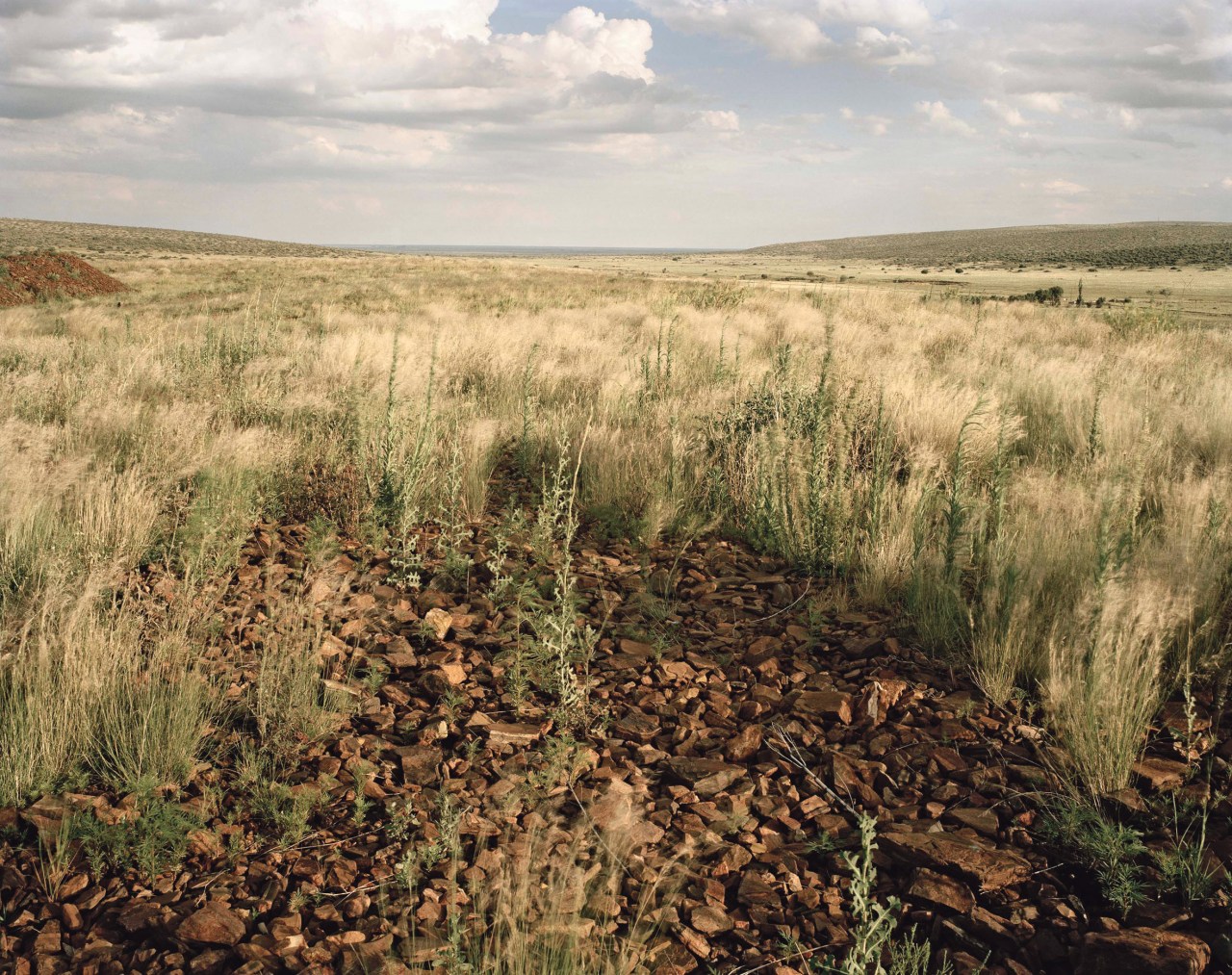
Goldblatt’s unique photographic techniques, using specific camera formats for different subjects, and his meticulous approach to archiving his work showcased his dedication to his craft. His commitment to capturing the essence of South African life, from intimate portraits to expansive landscapes, remains unparalleled. Through his lens, Goldblatt told stories that transcended barriers, sparking conversations about democracy, freedom of expression, and the human experience.
Overall, David Goldblatt’s work continues to inspire and provoke thought, reminding us of the power of photography to document history, challenge perceptions, and evoke emotional responses. His legacy lives on through the timeless images that capture the essence of a changing South Africa.
Read the original article on Daily Maverick