Rédaction Africa Links 24 with Neesa Moodley
Published on 2024-03-28 11:54:49
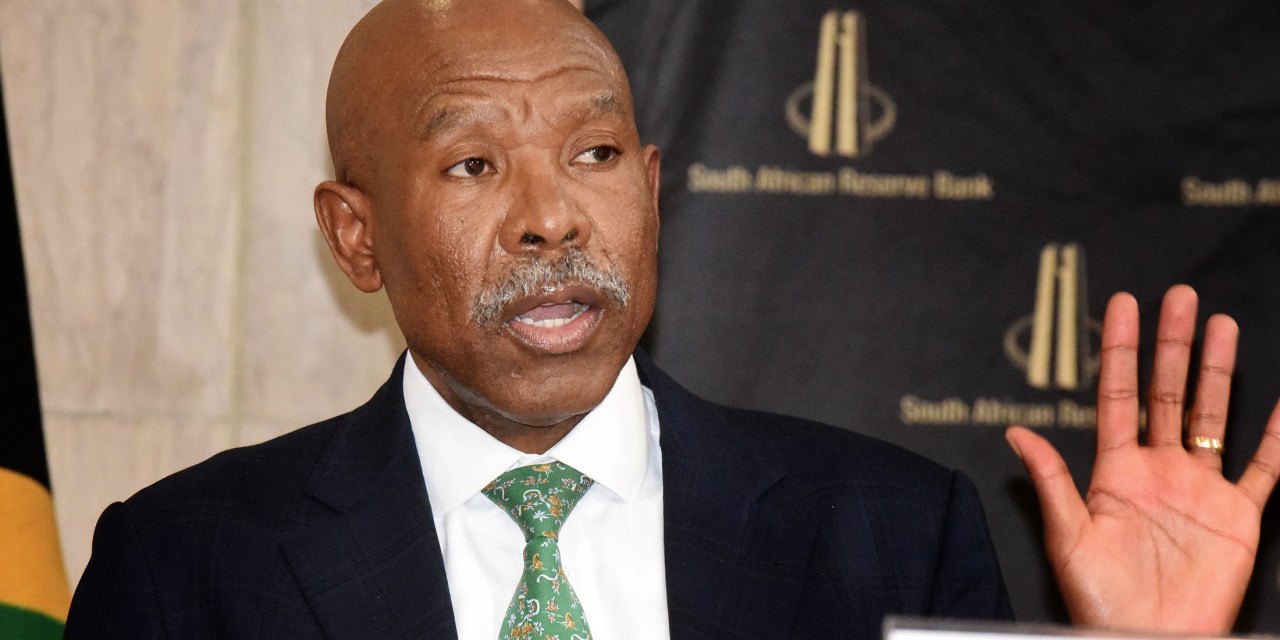
The recent announcement that the repo rate will remain at 8.25% until May due to higher-than-anticipated inflation in February 2024 has dashed hopes of a rate cut in the near future. South African Reserve Bank (Sarb) governor, Lesetja Kganyago, has emphasized that the bank will not adjust its policy until inflation is sustainably at 4.5%. Projections now suggest that inflation will slow down, averaging 5.1% this year and 4.6% in 2025, slightly higher than last month’s forecast.
The governor has highlighted food prices, geopolitical risks, and their impact on global supply chains and energy markets as potential upside risks to the inflation outlook. Economists now predict the first 25 basis points cut to 8.00% to occur in the second half of the year, following a rise in annual consumer inflation to 5.6% in February. This increase from 5.3% in January and 5.1% in December, as reported by Stats SA, has prompted expectations for the repo rate to decrease to 7.5% in November, potentially signaling three consecutive rate cuts from July to the end of the year.
Neil Roets, the chief executive of Debt Rescue, has expressed concern about the trend of consumers relying on credit to purchase groceries at larger supermarkets. This reliance on store cards, credit cards, and payday loans to meet basic needs is setting a dangerous precedent among consumers already struggling to manage their debt obligations.
Middle-class South Africans are now spending an estimated 73% of their income on servicing debts and fixed expenses, leaving only 20% for essential purchases like food, medicine, and transportation. This financial strain on consumers has raised red flags for the banking sector, increasing the cost of risk in areas such as home loans, vehicle finance, and personal loans.
Costa Natsas, PwC Africa’s financial services leader, noted that the combined credit loss ratio for major banks in South Africa has reached the top end of their through-the-cycle ranges, reflecting the challenges faced by borrowers in repaying loans. Credit impairment charges have surged, with banks like Standard Bank reporting a 22% increase in charges driven by various factors affecting loan repayment.
For Absa and Nedbank, credit impairment charges have also risen, leading to higher non-performing loan volumes and an increase in credit loss ratios above their target ranges. These challenges have prompted banks to focus on collection strategies and loan recovery efforts to mitigate potential losses.
Despite the economic pressures and challenges faced by clients, banking executives like Sim Tshabalala of Standard Bank and Arrie Rautenbach of Absa remain committed to supporting their customers while safeguarding their institutions’ financial stability. They emphasize the need for prudent lending practices and effective risk management in a volatile economic environment characterized by high inflation and interest rates.
As the banking sector navigates through these turbulent times, the focus remains on maintaining quality loan portfolios, enhancing debt collection efforts, and adapting to the evolving economic landscape. The road ahead is uncertain, but with strategic planning and proactive measures, banks aim to weather the storm and emerge stronger in the post-pandemic era.
Read the original article on Daily Maverick