Rédaction Africa Links 24 with sabcnews.com
Published on 2024-01-30 04:25:53
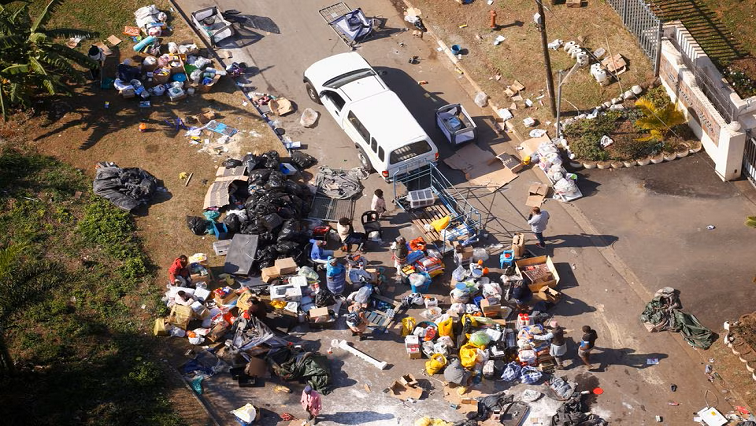
The South African Human Rights Commission (SAHRC) recently released a report on the July 2021 unrest, which revealed that the South African Police Service (SAPS) failed to detect the planning and execution of the widespread violence. The unrest, which originated in KwaZulu-Natal before spreading to other provinces, led to over 350 deaths and an estimated R50 billion in economic losses.
SAHRC Commissioner Philile Ntuli addressed the media to discuss the findings, highlighting the shortcomings in SAPS’s response to the unrest. Ntuli identified a number of factors that contributed to these failures, including under-resourcing and a lack of capacity within crime intelligence. She stated, “A combination of factors appeared to have caused these shortcomings, evidence tabled before the panel points to the under-resourcing and the consequent lack of capacity within crime intelligence. Evidently, there has also been a breakdown in coherent communication within the South African Police Service between crime intelligence, the National Commissioner of Police, relevant operational divisions and the Minister of Police.”
The SAHRC’s report aims to contribute to ongoing discussions and evaluations surrounding the events of July 2021, with the goal of improving governance, law enforcement, and crisis response in the country.
In addition to the SAHRC report, the CRL Rights Commission also launched their 2021 July unrest Investigative hearings reports. SAHRC acting chairperson, Fatima Chohan, urged ordinary South Africans to participate in the Shine program, which seeks to promote social harmony through national effort. Chohan stated, “Shine challenges us all to make small but meaningful changes. For instance, making a national practice of simply greeting each other, is a good way to start this journey. Shine requires all of us working together in a national effort to make somebody’s day every day. To work to bring harmony into our lives through positive dialogue and learning.”
The government has been given 60 days to respond to the report. Meanwhile, KwaZulu-Natal Police Commissioner Nhlanhla Mkhwanazi has stated that they have already begun implementing the recommendations that emerged shortly after the unrest.


