Rédaction Africa Links 24 with Des Erasmus
Published on 2024-04-05 23:00:00
The upcoming elections in South Africa are set to be influenced significantly by the voter turnout in the two most populous provinces, Gauteng and KwaZulu-Natal, which jointly account for 44% of the country’s nearly 28 million registered voters. With 6.5 million voters in Gauteng and 5.7 million in KwaZulu-Natal, these provinces hold a key role in determining the overall outcome of the elections.
The African National Congress (ANC) faces a challenge in both Gauteng and KwaZulu-Natal, as polls suggest a potential dip below the 50% mark for the party in these provinces. A decline in support in these regions could jeopardize the ANC’s national majority. In response, the Democratic Alliance has formed a multi-party charter pact with other opposition parties to counteract the ANC’s electoral decline in these key provinces.
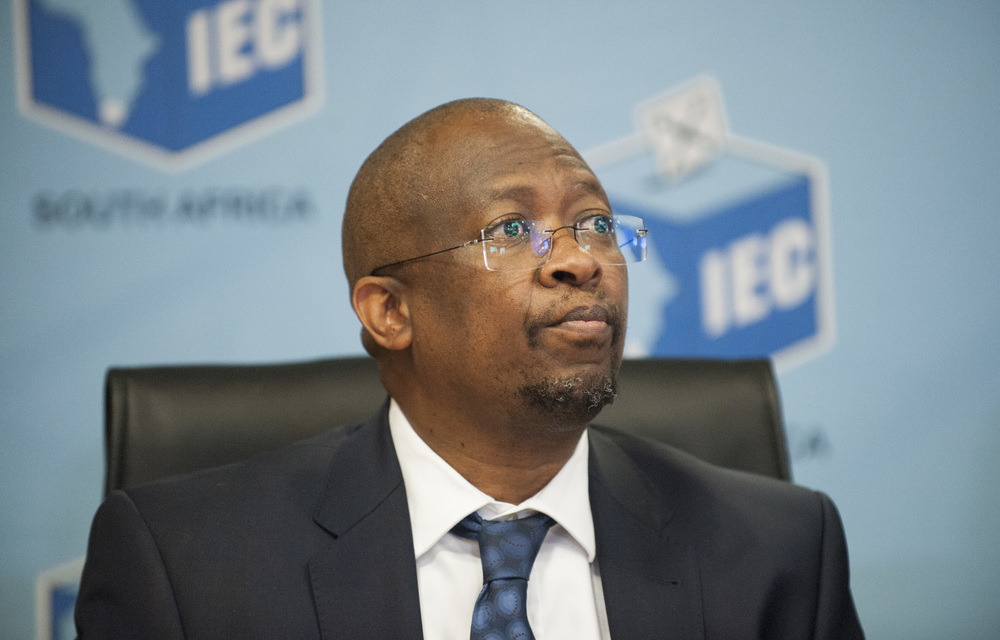
During a recent event at the Gallagher Convention Centre, Chief Electoral Officer Sy Mamabolo announced that the certified voters’ roll stands at 27.7 million, marking the highest level of registration since the roll was established in 1999. The IEC launched an online registration portal in July 2021, with 2.4 million voters using it to either register for the first time or update their details.
Historically, there are more female voters than male voters, with 15.3 million female voters compared to 12.4 million male voters. The network of voting stations has expanded to 23,292 locations across the country, with 954 temporary sites established for areas where physical infrastructure is not available. Special vote applications for home visits and voting station visits will open on April 15 and close on May 3, catering to voters who are unable to travel to polling stations on election day.
A total of 70 political parties and 11 independents have submitted nominations for the upcoming elections. The Electoral Court is handling disputes related to candidate nominations, which may slightly alter the number of contestants. The final list of candidates and parties set to contest the elections will be published on April 10.
As the elections approach, Mamabolo emphasized the significance of the electoral process in South Africa’s democratic framework. Elections play a crucial role in fostering legitimacy in governance, ensuring accountability, promoting political representation, and maintaining macro-political stability and development. The IEC is committed to conducting an election that aligns with constitutional standards and international norms, affirming its readiness to fulfill its mandate in upholding the democratic values of the country.
In conclusion, the upcoming elections in South Africa are poised to reflect the will of the nation’s diverse electorate, with a focus on the pivotal role of Gauteng and KwaZulu-Natal in shaping the outcome. The electoral process serves as a cornerstone of democracy in South Africa, with the IEC working diligently to ensure a fair, transparent, and inclusive election that upholds the constitutional principles of the country.
Read the original article on Mail & Guardian