By Rédaction Africa Links 24 with Mukhtar Mohamed Atosh,Harun Maruf
Published on 2024-01-18 15:36:24
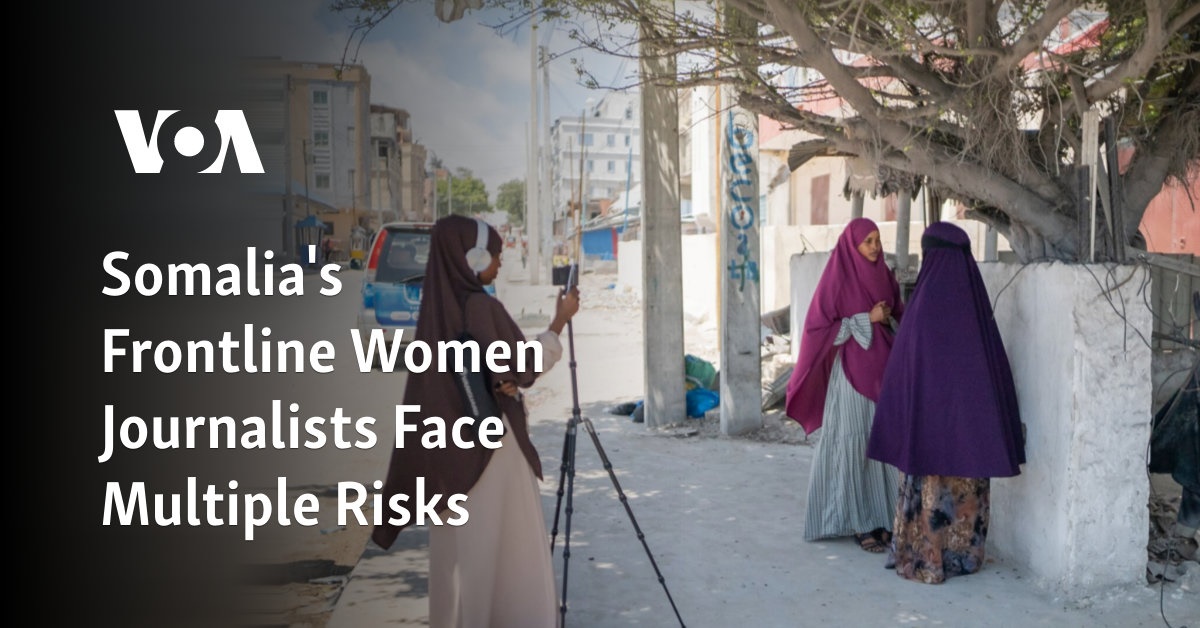
Shukri Aden Hussein, a 27-year-old journalist, received an anonymous call in early January 2017 with a direct order to leave the government station and work for other local stations in the town. The caller, believed to be associated with the al-Shabab militant group, placed the threatening call as part of the group’s efforts to influence media coverage and extort money from business owners. Although Hussein initially dismissed the call, a second phone call about a month later, while she was walking in a busy area, left her feeling genuinely afraid for her safety.
Terrified by the threats, Hussein took shelter in a relative’s home and eventually moved to a safer area. She had been covering social issues, such as health, education, sports, and business, but her association with the government-run radio station, Radio Southwest, where she began her journalism career, made her a target for al-Shabab.
Another journalist, Shukri Ismail Ahmed, faces similar security threats as she covers humanitarian issues in a region blockaded by al-Shabab. She reported on nomad women smuggling food into a besieged town to feed their families. The danger and risks faced by the people she covers weigh heavily on her as she works to protect and tell their stories.
Journalism in Somalia is particularly dangerous, with dozens of journalists killed, injured, or threatened by al-Shabab violence. Female journalists, in particular, face additional challenges, including cultural barriers and workplace disparities. Religious scholars and some newsmakers prefer to be interviewed by male journalists, leaving female journalists feeling disappointed and facing obstacles in their work.
Farhia Mohamed Kheyre, chair of the Somali Women Journalists Organization, is working to address gender inequality in the media industry by providing training opportunities for female journalists. Anfa Aden Abdi, now heading the gender desk at the Somali Journalist’s Syndicate, is also advocating for equal pay and opportunities for female journalists.
The Somali Women Journalists Organization has focused on developing women journalists and improving equal opportunities in the workplace. They are working to provide training and skilled female journalists to fill the needs of media stations, as well as empower them to start their own media production companies.
Despite the ongoing security threats and challenges facing female journalists, Shukri Ismail Ahmed remains determined to train and produce the next generation of journalists and has aspirations to become an expert in journalism and appear in international media.
Read the original article on VOA


