Rédaction Africa Links 24 with khaliil
Published on 2024-04-06 21:14:34
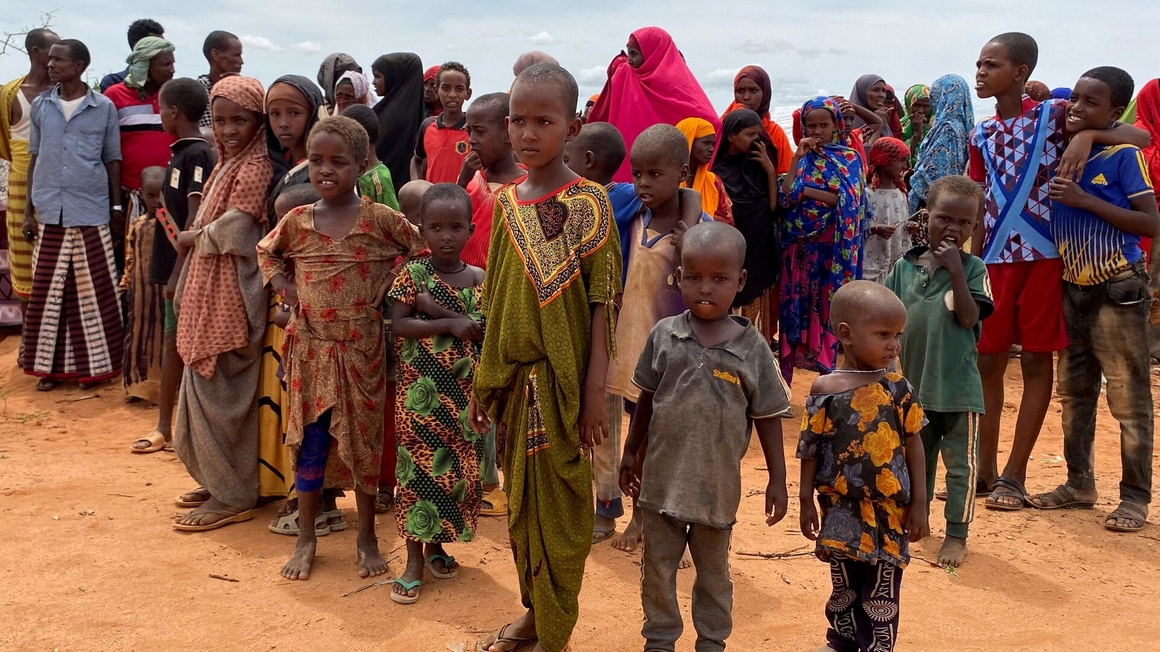
Somalia has recently signed a financial agreement with the International Fund for Agricultural Development (Ifad) to receive up to $31.22 million in support of programs aimed at improving food security in rural areas. This funding will be channeled through the Rural Livelihood Resilience Programme (RLRP) with the goal of enhancing food security and resilience in rural communities.
This marks the first direct investment by Ifad in Somalia following the clearance of Mogadishu’s external debt in December. The funds will be directed towards initiatives that directly benefit rural populations, aiming to reduce poverty, increase food security, enhance nutrition, and strengthen resilience.
Minister for Agriculture and Irrigation Mohamed Abdi Hayir and Ifad President Alvaro Lario emphasized the significance of the program in ensuring that the most vulnerable rural communities are not left behind in the face of increasing climate change challenges.
The Rural Livelihood Resilience Programme is expected to transform rural livelihoods through climate-resilient agriculture, as highlighted by Somali Minister for Finance Bihi Egeh. The program was made possible by contributions from Germany, Belgium, Italy, and Sweden, which enabled Somalia to settle its debt with Ifad, allowing the country to once again access concessional loans and grants.
On a broader economic front, Somalia has reported a healthy increase in domestic revenue, following the debt relief provided by the World Bank and the International Monetary Fund. The Finance Ministry projects a 3.7 percent growth in economic output for 2024, with a 25 percent increase in domestic revenue compared to previous years.
Significant revenue is generated from points of entry such as the port and airport of Mogadishu, with an increasing focus on inland revenue sources. The government aims to further enhance revenue collection through reforms, automation, and digitalization, which have already resulted in a 25 percent increase in domestic revenue last year.
Despite these positive developments, external shocks such as disruptions on the Red Sea trade route, terrorism, and climate change pose ongoing challenges to Somalia’s economic growth. While domestic revenue has shown improvement, international financial experts caution that the country’s reliance on grants for government spending may need to be gradually reduced.
Kristina Svensson, the World Bank country manager for Somalia, noted that the level of domestic revenue remains relatively low and may not be sufficient to meet the needs of the population. She highlighted the importance of transitioning from grant-based financing to more sustainable revenue sources to ensure long-term economic stability.
Overall, the financial agreement with Ifad and the increase in domestic revenue signify positive steps towards enhancing food security, resilience, and economic growth in Somalia. Despite external challenges, continued efforts to strengthen revenue collection and financial management will be essential for the country’s sustainable development.
Read the original article on Wardheer News