Rédaction Africa Links 24 with Abdelh
Published on 2024-04-11 12:49:32
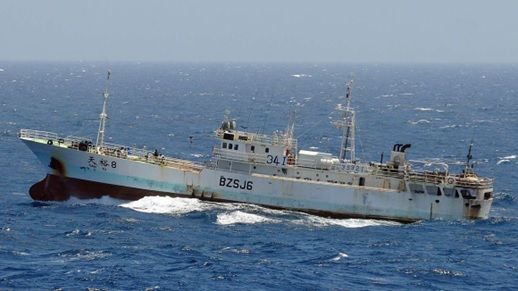
Somalia has recently implemented a ban on fishing trawlers operating in its territorial seas as part of a new initiative to combat overexploitation of fish in the Indian Ocean. The Ministry of Fisheries and Blue Economy issued a circular on April 6, stating that vessels will no longer be allowed to engage in trawling, a fishing method that is criticized for its indiscriminate capture of marine species, including those that are not targeted, leading to depletion of marine wildlife.
The circular emphasized that trawling activities within Somali Federal territorial waters are strictly prohibited, in accordance with the Somali Federal Fishery law. Violations of this regulation may result in fines, imprisonment, confiscation of fish products, and seizure of trawling equipment. This action follows the release of 33 Iranian fishermen and sailors in March who were imprisoned for engaging in Illegal, Unreported, And Unregulated (IUU) fishing within Somali waters.
Somalia has been increasingly cracking down on illegal fishing activities, with the Office of the Attorney General pressing charges against foreign nationals involved in illegal fishing. The country’s extensive coastline, spanning over 3000 km, has been vulnerable to illegal fishing due to weak institutions following the civil war in 1991 and a lack of comprehensive laws to address the issue.
Foreign fishing fleets, including Iranians, Pakistanis, Thais, Yemenis, Chinese, and Spaniards, have been identified as engaging in harmful fishing practices in Somali waters. The use of trawl fishing, particularly bottom trawling, has been highlighted as destructive to marine ecosystems such as coral reefs. Concerns over overfishing and marine environmental damage have prompted Somalia to take stricter measures to protect its marine resources.
However, challenges remain in enforcing regulations, as Somalia’s limited coast guard force and the issuance of fishing licenses by regional authorities complicate monitoring and control efforts. Experts suggest that piracy, which initially arose as a response to foreign vessels in Somali waters, could effectively deter IUU activities. Yet, international naval forces primarily focused on anti-piracy initiatives have shown limited action against illegal fishing vessels.
While Somalia’s ban on fishing trawlers signals a proactive approach to safeguarding its marine resources, concerns persist about the effectiveness of enforcement measures. The country is keen on bolstering monitoring, control, and surveillance systems to address illegal fishing activities and protect its coastal waters. As efforts continue to strengthen regulatory frameworks and combat IUU fishing, Somalia remains vigilant in safeguarding its marine ecosystem for future generations.
Source: The East African
Read the original article on Wardheer News