Rédaction Africa Links 24 with Lamin Kargbo
Published on 2024-03-14 10:21:31
The public university lecturers in Sierra Leone have officially ended their industrial strike as of March 13, 2024, and will be resuming work today. This strike was initiated by the Academic Staff Association on March 1, 2024, due to dissatisfaction over unfulfilled welfare demands. These demands included issues such as severance benefits, clearing backlog payments for promoted staff, and implementing revised rent and medical allowances.
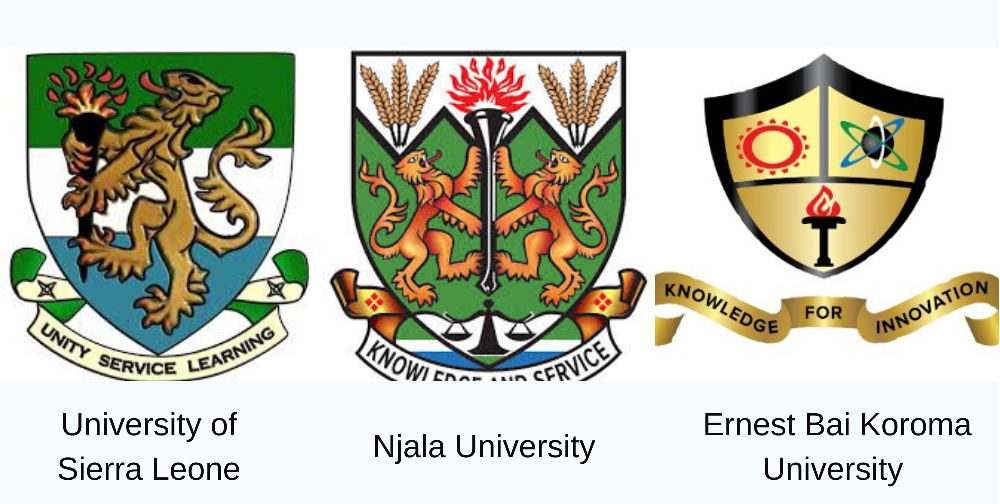
Despite engaging with various authorities such as the Ministry of Technical and Higher Education (MTHE), Ministry of Finance (MoF), Ministry of Labour, Employment and Social Security (MLESS), Courts, Council, and the Tertiary Education Commission (TEC), the Academic Staff Association released a press statement highlighting certain persisting issues. These issues include the full implementation of the 2022-2024 Revised and Harmonized Conditions of Service, continued use of the 2013 Promotion Criteria for Senior Academic and Administrative Staff, advertisement for promotions at the Ernest Bai Koroma University of Science and Technology, issuance of appointment letters to staff of newly upgraded institutions, salary upgrades for staff of newly upgraded institutions, clearing promotion backlog payments for staff of new Universities and Polytechnics, payment of increments in Rent and Medical Allowances, complete payment of Severance Benefits to individual beneficiaries’ accounts, and full payment of Sierra Leone Government Grants-in-Aid refunds to Public Universities and Polytechnics since 2014.
The resolution of these issues marks a significant step towards improving the working conditions and welfare of university lecturers in Sierra Leone. The Academic Staff Association’s decision to end the strike and resume work reflects a commitment to dialogue and negotiation to address these pressing concerns.
It is crucial for both the university authorities and the government to work together to fulfill these demands and ensure that the academic staff receive the necessary support and resources to carry out their duties effectively. Investing in the education sector and supporting the welfare of university lecturers is essential for the overall development and growth of the country.
Moving forward, it is important for all parties involved to maintain open communication channels and prioritize the well-being of the academic staff. By addressing these issues and working towards a sustainable solution, Sierra Leone’s public universities can continue to provide quality education and contribute to the advancement of knowledge and research in the country.
In conclusion, the decision to end the strike and resume work is a positive development for the academic staff and the university community in Sierra Leone. It is a testimony to the power of dialogue and negotiation in resolving conflicts and advancing the common goal of improving the education sector. By addressing the welfare demands of the lecturers, the authorities demonstrate a commitment to supporting the academic staff and ensuring a conducive working environment for all.
Read the original article on Swit Salone