By Africa Links 24
Published on 2024-04-12 13:52:00
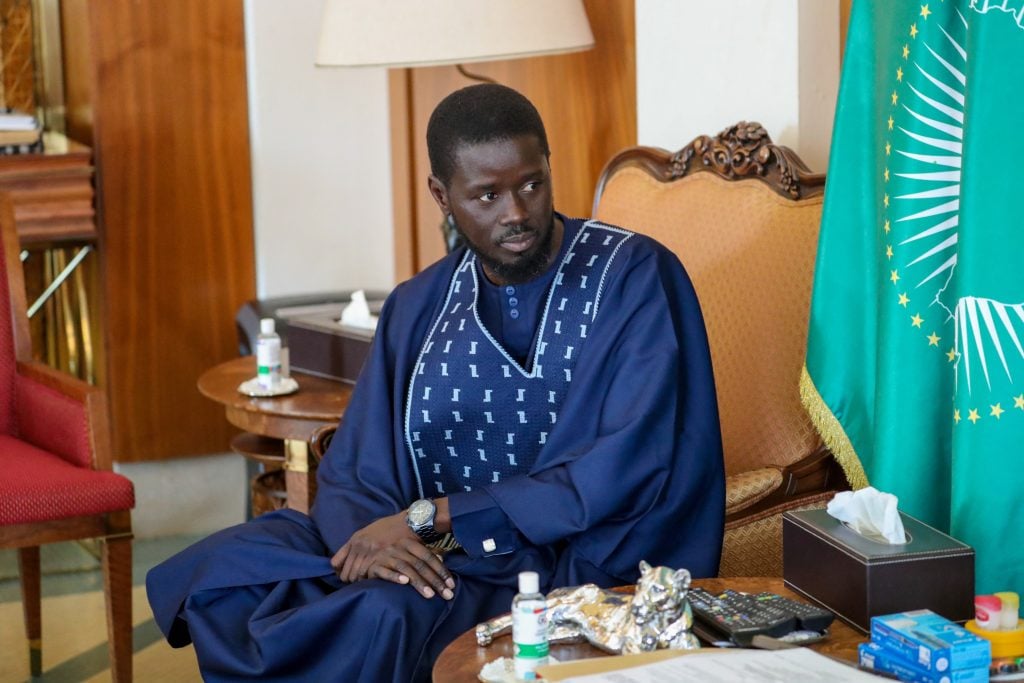
The newly elected President of Senegal, Bassirou Diomaye Faye, has made significant appointments of orthodox figures to key economic positions in his government. These appointments come following an election campaign that promised to lead the West African country in a bold new direction.
One of the notable appointments is Cheikh Diba, a former tax official, who will take on the role of finance minister. Additionally, Abdourahamane Sarr, previously a senior economist at the International Monetary Fund (IMF), will serve as Senegal’s new economy minister. These appointments aim to reassure international investors that Senegal will remain a favorable destination for investment, building on its reputation as a business-friendly hub during the tenure of the previous president, Macky Sall.
President Faye pledged during his campaign to renegotiate Senegal’s oil and gas contracts with international firms and prioritize national companies to enhance the country’s control over its resources and prevent what his party, Pastef, described as “economic enslavement.” Initially, Faye proposed adopting a new currency for Senegal, but later revised his stance to suggest reforming the existing CFA franc within the Ecowas bloc.
Despite Faye’s ambitious rhetoric during the campaign, there were doubts among political analysts about whether his plans would materialize into official policies. Alex Vines, the director of the Africa program at Chatham House, expressed skepticism, stating that Faye appeared more pragmatic in private and was likely to attract further investment.
The uncertainty surrounding the new government’s intended economic policies prompted global credit ratings agency S&P to observe that key fiscal and economic proposals had yet to be communicated, potentially impacting Senegal’s creditworthiness. However, Signal Risk, a risk management firm in Cape Town, suggested that the political environment in Senegal had stabilized after the presidential election and that Faye’s initial appointments indicated a more moderate approach to policymaking than his campaign rhetoric suggested.
While Faye campaigned on a somewhat radical platform, analysts believe that his presidency is unlikely to deviate significantly from orthodox economic policies. It is anticipated that Faye will prioritize maintaining key economic partnerships with entities such as oil majors and the IMF to uphold the country’s creditworthiness, economic stability, and achieve his developmental goals.
The Senegalese elections and the subsequent appointments in the government have been well-received by the markets. Yields on Senegal’s international bonds have decreased, signaling increased investor confidence in the country’s economy. Fitch Ratings also mentioned that Senegal’s return to political and social stability positions it to meet the IMF’s growth expectations of 8.3% GDP growth by 2024.
In conclusion, President Faye’s appointments of orthodox figures to key economic posts and the government’s initial policy directions reflect a commitment to maintaining economic stability and fostering investment in Senegal, while also acknowledging the importance of existing economic partnerships with international entities. Market reactions have been positive, indicating growing confidence in Senegal’s economic outlook under the new administration.