Rédaction Africa Links 24 with pierre Dieme
Published on 2024-03-13 22:40:22
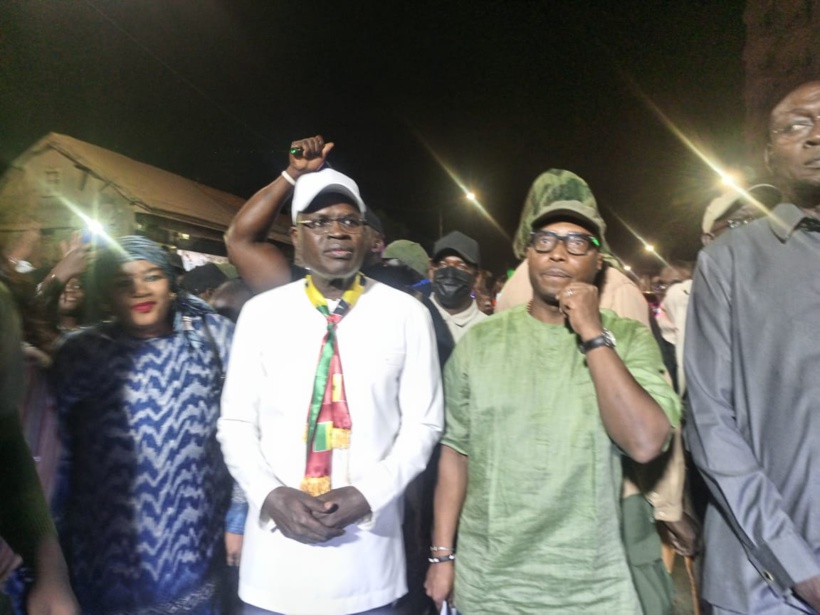
One cannot develop a country without a dynamic railway network. This is the belief of Khalifa Sall, a candidate in the presidential election on March 24, 2024. He made this known on Wednesday in the rail capital. The leader of Taxawu Senegal promised to revitalize the railway system in the country, with 2,000 km of railway tracks, when he assumes the presidency.
“Thiès is a hub, a crossroads city. So, it should have everything. This is where the railways were located. When I become president, I will revive the railways. We have planned 2,000 km of railway corridors. It will not only be for Thiès, but to connect the entire country. This is what allows the country’s economy to grow. All developed countries have developed their railways,” he stated.
According to the former mayor of Dakar, the Thiès region is among the richest in natural resources. However, it does not benefit from them. “The region is also rich in natural resources like phosphate. But the population does not benefit from it. The farmers in the region struggle to see the fertilizer that is produced here. Unfortunately, the companies have been sold to foreigners. Thiès is also an extension of the Niayes area. If the farmers were supported, we would no longer import vegetables. This is part of our ambitions,” he promised.
Developing a country’s railway network is essential for economic growth and connectivity. Khalifa Sall’s vision to revitalize the railway system in Senegal, starting with the Thiès region, holds promise for boosting the economy and maximizing the utilization of natural resources in the country. With 2,000 km of railway tracks planned, the infrastructure will not only benefit Thiès but also facilitate nationwide connectivity, fostering economic development and reducing dependency on imports.
The potential for agricultural self-sufficiency through improved transportation of goods and resources is a key aspect of Sall’s plan. By revitalizing the railways and supporting local farmers in regions like Thiès, the country can decrease its reliance on imported goods and enhance domestic production. Additionally, by reclaiming ownership of key industries like phosphate production, Senegal can ensure that its natural resources are used to benefit the local population and economy.
In conclusion, Khalifa Sall’s commitment to revitalizing Senegal’s railway system and leveraging natural resources for economic development is a promising step towards sustainable growth and prosperity. By focusing on infrastructure and industry revitalization, Sall aims to create a more inclusive and self-sufficient economy that benefits all citizens. If elected president, his plans could pave the way for a more prosperous and connected Senegal.
Read the original article(French) on Dakar Matin