By Africa Links 24
Published on 2024-04-03 10:43:31
The article sponsored by Dr. Edgar Githua discusses Russia’s shift towards Africa in search of new allies and economic partnerships following its invasion of Ukraine. Since the invasion in February 2022, Russia has faced severe sanctions and isolation from the West, prompting a reinvigoration of its relationships in Africa.
The first Russia-Africa summit in Sochi in October 2019 marked the beginning of Russia’s efforts to strengthen ties with Africa. Despite these efforts, bilateral trade between Africa and Russia remains relatively small at $18 billion, far less than trade volumes between Africa and other major partners like India and Turkey. The lack of substantial commitments from Russia during the summits has diminished the potential for significant economic benefits for African nations.
Russia’s historical exploitation of African countries for resources and geopolitical influence continues to influence its approach to the continent. The Wagner Group, a private military company now known as Africa Corps, operates in several African countries to secure valuable mineral resources in exchange for security assistance to authoritarian regimes. This exploitative arrangement undermines democracy, perpetuates instability, and oppresses local populations.
African countries must exercise caution in their relationship with Putin and Russia, as the imbalanced trade and exploitative agreements offer minimal benefits to African nations. While foreign investments and trade relationships are crucial for Africa’s development, reliance on partnerships with Russia may not be the most beneficial option. Instead, African leaders should focus on regional integration and economic self-sufficiency to reduce dependency on external partners like Russia.
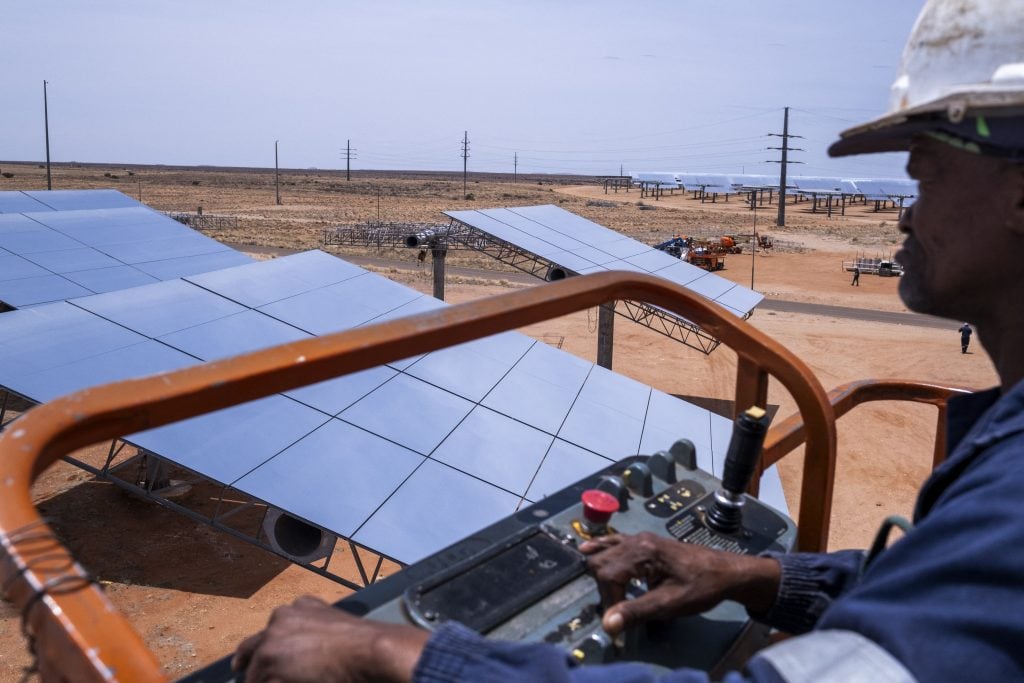
Initiatives such as the African Continental Free Trade Area (AfCFTA) provide opportunities for intra-African trade and cooperation, allowing African nations to enhance self-reliance and reduce vulnerabilities to external shocks. Investing in sectors such as agriculture, renewable energy, and manufacturing can further promote economic diversification and sustainable growth in Africa.
As Africa navigates its relationship with Russia and other external actors, it must prioritize long-term interests and collective development. By promoting regional integration, fostering economic diversification, and advocating for fair and equitable partnerships, Africa can pave the way towards sustainable growth and prosperity, free from exploitation and undue foreign influence.