By Africa Links 24
Published on 2024-03-05 10:13:51
The 56th Session of the ECA Conference of African Ministers of Finance, Planning, and Economic Development opened with a grim outlook for the continent’s economic future. Minister of Finance and Economic Planning, Gatete, painted a bleak picture with projected growth rates of just 2.7% in 2023 and 2.4% in 2024, inflation nearing 20%, and 21 countries facing debt distress.
Despite these challenges, Gatete offered a ray of hope by proposing a mix of solutions to help Africa navigate its constrained fiscal space. He emphasized the need to overhaul the global financial architecture to benefit all nations and urged for more representation of African nations in key international forums like the G20. Gatete also highlighted the issue of unfair risk perceptions and credit ratings, which limit Africa’s borrowing options and called for reforms to address this imbalance.
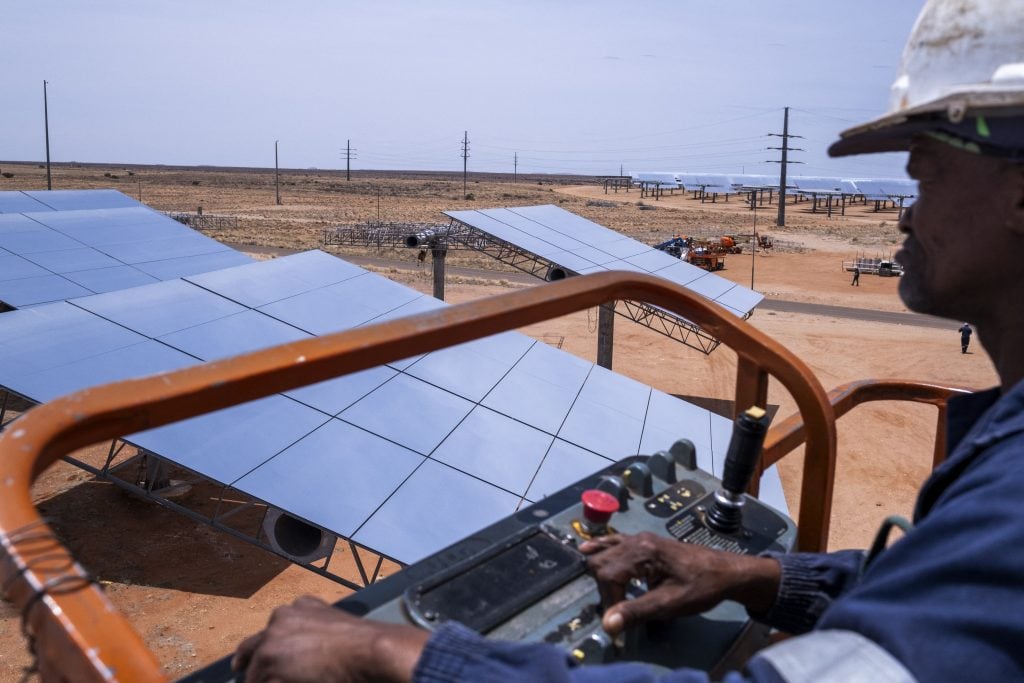
In addition to global reforms, Gatete stressed the importance of increasing domestic resource mobilization, reforming tax systems, investing in capital market development, and establishing a green finance system in Africa that could potentially generate $3 trillion by 2030. These measures, Gatete believes, are key to overcoming the continent’s economic challenges.
Deputy Chairperson of the African Union Commission, Monique Nsanzabaganwa, echoed Gatete’s sentiments by calling for Africa’s voice to be amplified on the global stage. She emphasized the need for greater participation of finance, planning, and economic development ministers in the AU’s governance structures to drive the continent’s development agenda forward.
Nsanzabaganwa also highlighted the importance of strengthening institutions like the African Central Bank, the African Monetary Fund, the African Investment Bank, and the African Stock Exchange to support economic growth and stability in Africa. She stressed the need for these institutions to be capacitated to effectively advance the continent’s development goals.
Ambassador Rebecca Otengo, the outgoing Chairperson of the Ministerial Bureau, emphasized the importance of structural reforms in reviving growth, enhancing resilience, and optimizing fiscal and monetary policies. Otengo’s remarks underscored the critical role that policy reforms play in steering Africa towards sustainable economic development.
The official opening session was held in Victoria Falls, Zimbabwe, with the Minister of Provincial Affairs and Devolution of Matabeleland North, Mr. Richard Moyo, welcoming delegates to this iconic tourist city.
In conclusion, while the economic challenges facing Africa are significant, there is hope on the horizon with strategic reforms and initiatives being proposed by key leaders in the continent’s financial and economic sectors. By prioritizing domestic resource mobilization, global financial reforms, and institutional strengthening, Africa can build a more resilient and prosperous future for its citizens.