Rédaction Africa Links 24 with khaliil
Published on 2024-04-01 16:21:09
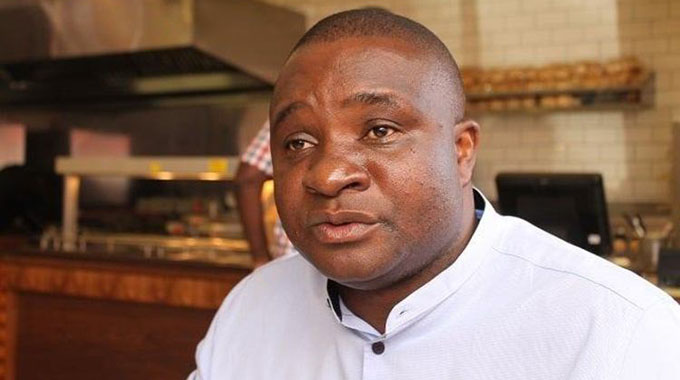
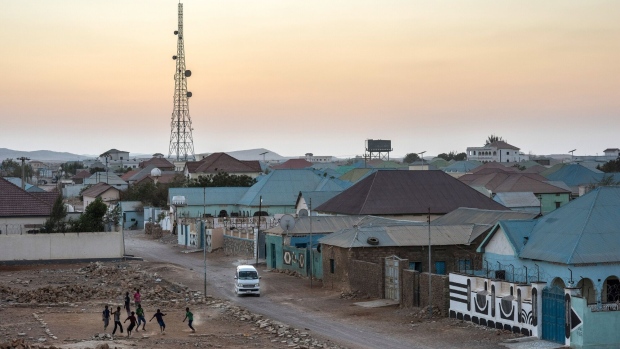
Mohammed Omar Ahmed is a prominent figure in the oil-rich, semiautonomous region of Puntland, which has recently decided to operate as an independent state until changes to the Somali constitution are approved through a popular referendum. The region of Puntland, with a population of about 4.9 million people in northeastern Somalia, has expressed concerns about the new constitution adopted by federal lawmakers in Somalia’s capital, Mogadishu.
The new constitution includes provisions for direct presidential elections and allows the president to appoint a prime minister without parliamentary approval, which Puntland believes could undermine the unity and state-building progress of the Somali nation. As a result, Puntland’s Council of Ministers announced its plans to withdraw from the federation and operate as an independent state pending the outcome of a referendum.
Said Abdullahi Deni was recently reelected as the president of Puntland for another five years, highlighting the region’s commitment to its own governance and autonomy. However, the rift between the federal government and Puntland has raised concerns about the stability of the Somali federation and the future of both Somalia and Puntland.
Omar Mahmood, a researcher at International Crisis Group, stated that the conflict between the federal government and Puntland complicates Somalia’s state-building path and raises serious questions about the country’s future. Without a resolution to the political deadlock, it will be challenging for Somalia to advance its state-building efforts and maintain unity among its diverse regions.
The decision by Puntland to declare independence from Somalia’s federal government marks a significant development in the country’s ongoing political challenges. The region’s stance reflects longstanding issues with the central government and its efforts to assert its autonomy and protect its interests. With tensions escalating between Puntland and Mogadishu, the stability and cohesion of the Somali federation are at stake.
While the federal government has not yet responded to Puntland’s declaration, the regional authorities are determined to pursue their path towards self-governance. The outcome of the upcoming referendum will likely have a lasting impact on the political landscape of Somalia and the relationships between its different regions.
In conclusion, the decision by Puntland to operate as an independent state until the constitutional issues are resolved underscores the complex and fragile nature of Somalia’s state-building process. The region’s determination to safeguard its autonomy and interests reflects the broader challenges facing the country as it navigates towards a more stable and united future.
Read the original article on Wardheer News