By Rédaction Africa Links 24 with Guardian Nigeria
Published on 2024-01-21 03:12:06
In response to the increasing dissatisfaction with the performance of the government in Nigeria, a number of opposition parties have begun discussions about forming new coalitions or mega parties in the country. The primary objective of this move is to prevent the ruling party, the All Progressives Congress (APC), from monopolizing the political landscape. Some of the prominent parties involved in these discussions include the Peoples Democratic Party (PDP), the New Nigeria Peoples Party (NNPP), the Social Democratic Party (SDP), the African Democratic Congress (ADC), the Young Progressive Party (YPP), the Allied Peoples Movement (APM), and the Zenith Labour Party (ZLP).
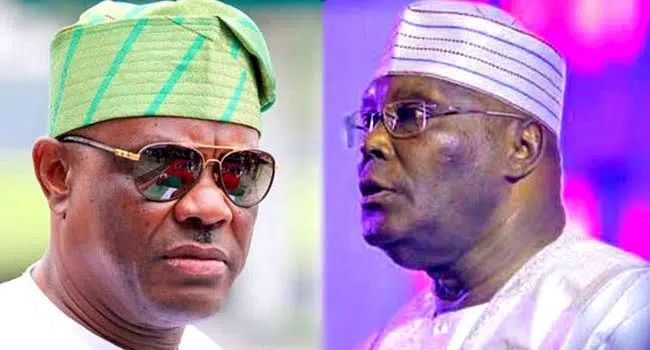
Despite assertions that there will be no merger, the mere prospect of a coalition consisting of such a diverse range of opposition parties has already created ripples within the political realm. The involvement of influential political figures like former Vice President Atiku Abubakar and former Kano State governor Rabiu Musa Kwankwaso has provided credibility and strength to the coalition.
Kwankwaso, for example, has emphasized the importance of collaboration between political parties when necessary, while Atiku has expressed his readiness to lead the coalition with the goal of strengthening the country’s democracy. In addition to the political maneuvering, the ruling APC is also dealing with significant challenges on the security and economic fronts. Widespread banditry and kidnapping, especially in the North and the Federal Capital Territory, has raised concerns about the government’s ability to address these security threats.
General Abdulsalami Abubakar, along with a coalition of Northern Groups, is leading a campaign to address the rising insecurity in the country. This effort involves key stakeholders such as governors, security chiefs, academics, policymakers, and traditional rulers, with the aim of developing strategies to combat the security crisis. On the economic front, recent statistics from the National Bureau of Statistics (NBS) have revealed a sharp increase in inflation rates, particularly in food prices.
The PDP, as the most dominant party in the proposed coalition, has been vocal in its criticism of the APC’s performance, citing issues of non-performance and incompetence. However, not all opposition parties are in favor of aligning with the PDP. The Peoples Redemption Party (PRP), for instance, has rejected the idea of Atiku leading the opposition parties, stating that they do not share the same principles and values.
In conclusion, the political landscape in Nigeria is currently in a state of flux, with discussions about new coalitions and mega parties gaining momentum. These developments are occurring against the backdrop of significant economic and security concerns, which have further fueled the urgency for change and reform within the country’s political leadership.
Read the original article on The Guardian