Rédaction Africa Links 24 with Guardian Nigeria
Published on 2024-03-30 04:19:17
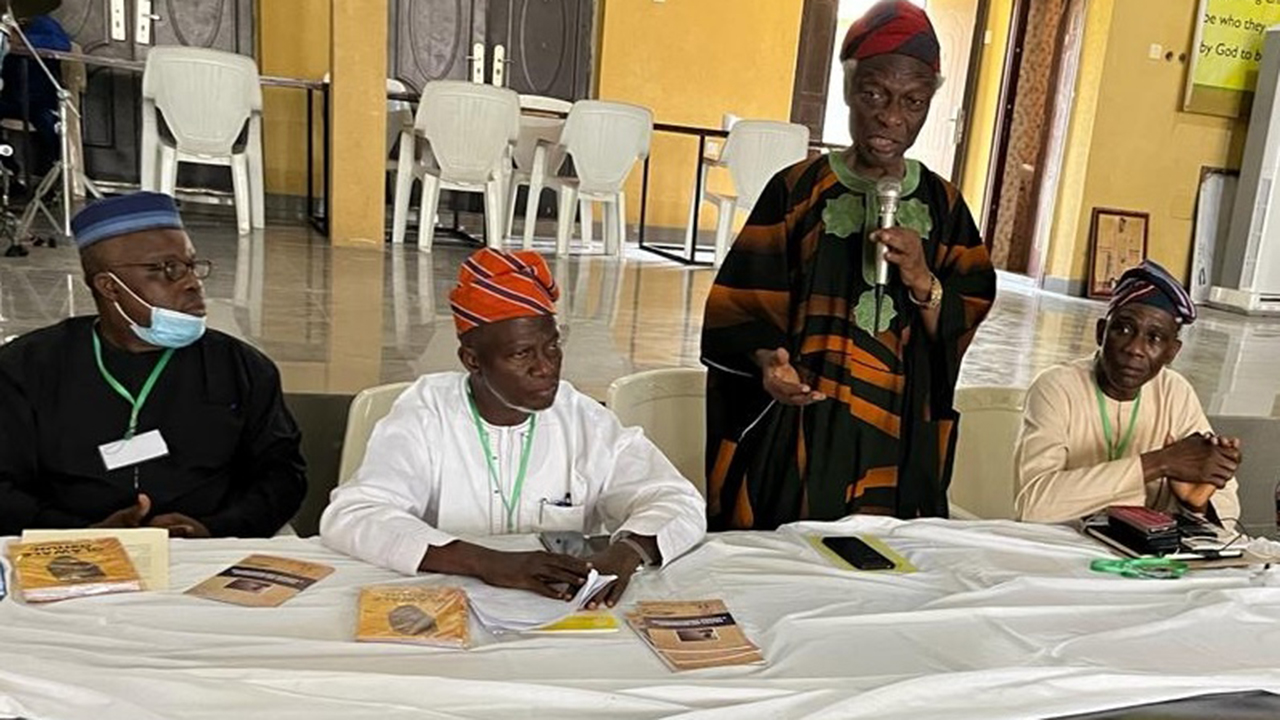
The two-day roundtable discussion organized by Wings Bridge Educational Foundation to mark the 74th birthday of Olawale Oshun, the National Chairman of Afenifere Renewal Group (ARG), delved into the current state of governance in Nigeria. Oshun highlighted the flaws in the presidential system of government in Nigeria, pointing out that it has led to poor representation and lopsidedness in governance. He advocated for a shift to a parliamentary system to address these issues and improve the country’s governance.
The event featured a presentation by renowned sociologist Professor Lai Olurode, titled “Nigeria: A Paradox and a Silver Lining,” which compared the visionary leadership of the past with the current state of affairs in the country. The foundation honored Oshun for his efforts in changing the country’s narrative and promoting synergy between the state and society. The discussions focused on various dimensions of governance crisis in Nigeria and proposed solutions to move the country forward.
The roundtable discussions concluded with a communiqué signed by Olurode and Professor Dhikrullah Adewale Yagboyaju, highlighting the existence of governance crises in Nigeria at both the constitutional and agency levels. The communiqué emphasized the need for a change in mindset among Nigerians to ensure ethical governance and effective leadership. It also addressed issues such as centralizing policing, internal party democracy, and the role of elite institutions in building a functional state.
The event brought together intellectuals from various universities, NGOs, religious groups, schools, political parties, and the media. Dignitaries in attendance included Professor Lai Olurode, Professor Dhikrullah Adewale Yagboyaju, Professor Azeez Olaniyan, and Dr. Kabir Alabi Garba, among others. The discussions underscored the importance of collective action in driving positive change in Nigeria and emphasized the role of patriotic deeds in building a functional society.
Overall, the roundtable discussion highlighted the need for systemic reforms, a shift in mindset, and a commitment to ethical governance to address the governance crisis in Nigeria. The event served as a platform for intellectual discourse, analysis, and collaboration among stakeholders from various sectors, aiming to pave the way for a brighter future for the country.
Read Original article on The Guardian