By Africa Links 24
Published on 2024-01-22 10:15:05
The energy transition in Nigeria is a process that is not easily visible. Oil and gas production remains the most important economic activity in the country, and it accounts for the largest share of export earnings. Natural gas overwhelmingly dominates the grid electricity supply, while diesel generators remain widely used. However, the country lacks electric vehicles and has limited wind turbines and solar panels.
The oil and gas sector in Nigeria has faced challenges in recent years, particularly due to theft, sabotage, and perceptions of political and regulatory risk, which have deterred investment. Despite a surge in global oil prices following geopolitical events, Nigerian oil production plummeted to a multi-decade low. President Bola Tinubu’s decision to remove fuel subsidies led to a threefold increase in fuel costs for motorists, and the future reduction in fuel prices remains uncertain.
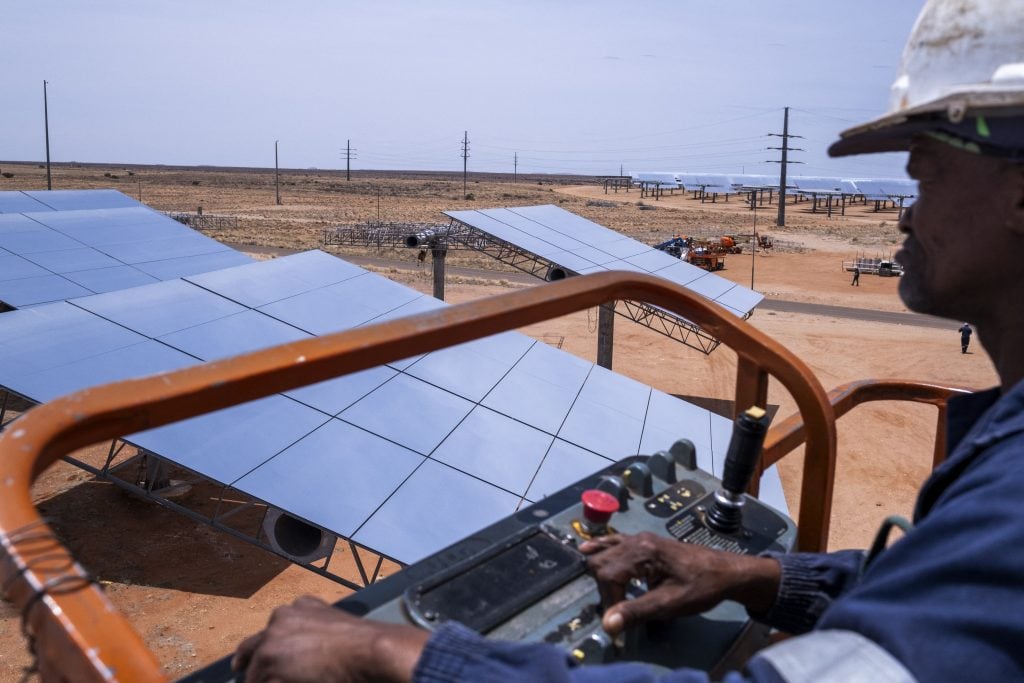
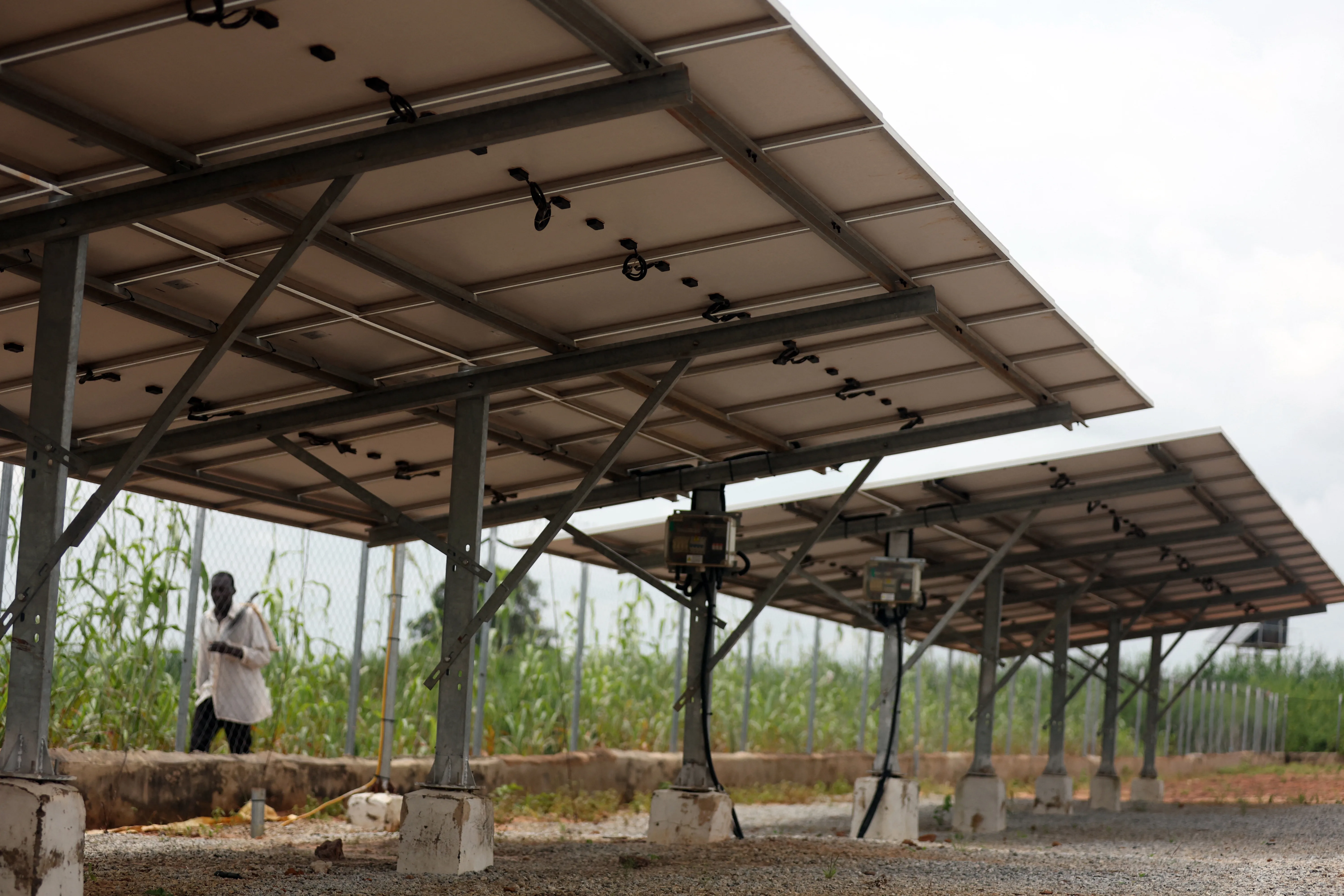
As a result of rising petrol and diesel prices, Nigerians are increasingly exploring the potential of renewable energy. Nigeria’s conducive conditions for solar energy make small-scale solar systems promising for expanding electricity access and reducing reliance on expensive and polluting diesel generators.
The country’s oil sector has suffered challenges, including a decline in production and under-investment. With international oil companies mostly leaving the Niger Delta due to high risk, Nigeria’s gas production outlook appears more positive than that of oil. Nigeria aims to position itself as a significant gas supplier to Europe, potentially providing 10-20% of the volumes formerly sourced from Russia. While Nigeria has the opportunity to supply gas to Europe, the country must act quickly to benefit from the current high demand.
Following the removal of fuel subsidies and the subsequent rise in fuel prices, Nigeria, once a leading oil producer, was left with a significant bill for subsidizing refined fuel imports. The opening of the Dangote Refinery is seen as a potential solution to Nigeria’s inability to refine petroleum locally. The refinery, which could help reduce transportation costs of petroleum products, may have a modest impact on fuel prices. Nigeria is considering alternatives to petroleum, such as compressed natural gas and electric vehicles.
Despite the lack of electric vehicles and public charging infrastructure, there is optimism for the growth of the electric vehicle market. According to experts, electric motorcycles could become popular upgrades for millions of road users in Lagos, and similar sentiments are shared for electric buses. Nigeria still faces numerous challenges in its energy sector, including limited electricity access and a reliance on diesel generators. However, there is potential for growth in the off-grid solar sector, as well as a shift towards renewable energy in the country.