By Africa Links 24
Published on 2024-03-13 04:00:00
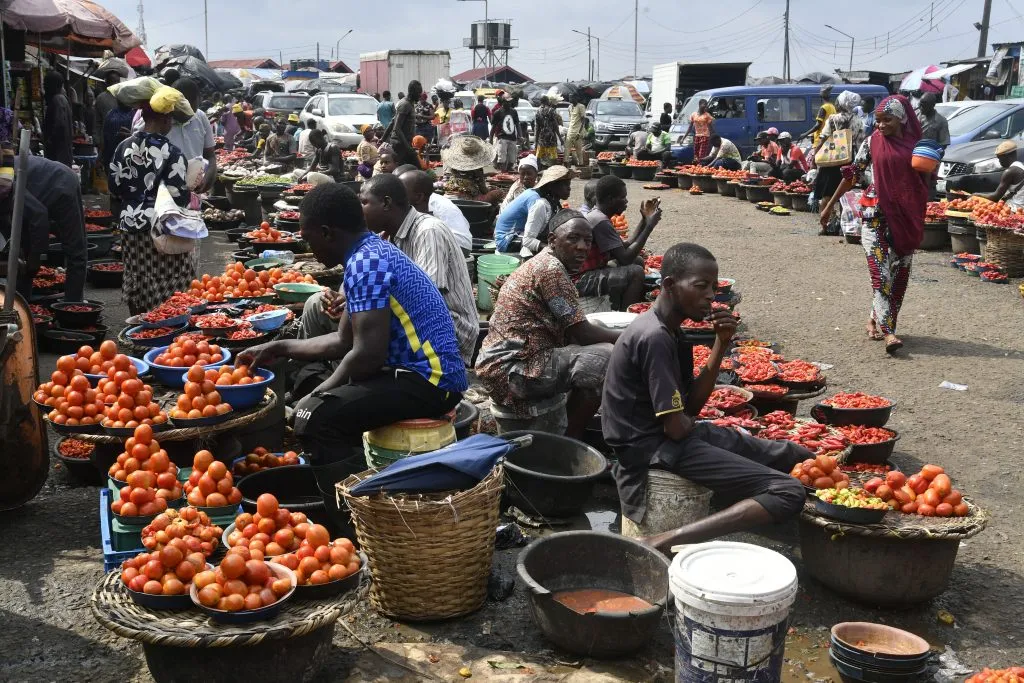
Nigeria is currently facing its worst food inflation crisis in decades, with a combination of factors contributing to the rising cost of food. The weakening naira, inadequate domestic agricultural production, and heavy reliance on expensive imported food are all key issues driving up prices.
According to data from the National Bureau of Statistics, the annual food inflation rate in January was 35.41%, a significant increase from the previous year. The states with the highest food inflation rates were Kogi, Kwara, and Rivers, while states like Bauchi, Adamawa, and Kano had lower rates. However, food inflation is a nationwide problem affecting all regions of the country.
As a result of rising inflation and sluggish economic growth, the number of impoverished Nigerians has increased to 104 million, up from 89.8 million at the beginning of the year. The UN’s Food and Agriculture Organization has warned that over 26.5 million Nigerians in certain states may face a food crisis in the coming months.
Various factors, such as depletion of food reserves, insecurity, flooding, currency devaluation, and supply chain disruptions from the Covid-19 pandemic, have been cited as reasons for the rising food inflation. Low-income earners are particularly hard hit by the increasing cost of food, as their household budgets struggle to keep up.
Mass protests have erupted in various states, demanding immediate action to address the soaring cost of living. There are concerns that if left unchecked, the food inflation could lead to civil unrest, with businesses fearing looting of food trucks and raw materials destined for the market.
At the core of the issue is the devaluation of the naira, which has lost a significant amount of its value against the dollar since the end of the currency peg. This has led to higher prices for imported goods, including food, fuel, and machinery, further exacerbating the inflation problem.
The government has taken steps to mitigate the impact of high prices, including distributing grains, providing farmers with essential resources, and offering targeted cash transfers to vulnerable households. However, critics argue that more intervention is needed to address the root causes of food inflation.
While short-term measures are being implemented, structural issues within Nigeria’s agricultural sector, such as underinvestment, poor infrastructure, lack of technology, and security challenges, need to be addressed to ensure long-term food security. The government’s efforts to incentivize investments in agriculture and create a national food reserve are steps in the right direction, but more comprehensive reforms are necessary.
Ultimately, Nigeria must look towards sustainable solutions to overhaul its agriculture sector, improve food production, and integrate the value chain to prevent future food crises. While these reforms may take time to yield results, they are crucial in ensuring food security and stability for the Nigerian population.