Rédaction Africa Links 24 with Kazeem Biriowo
Published on 2024-03-18 14:09:11
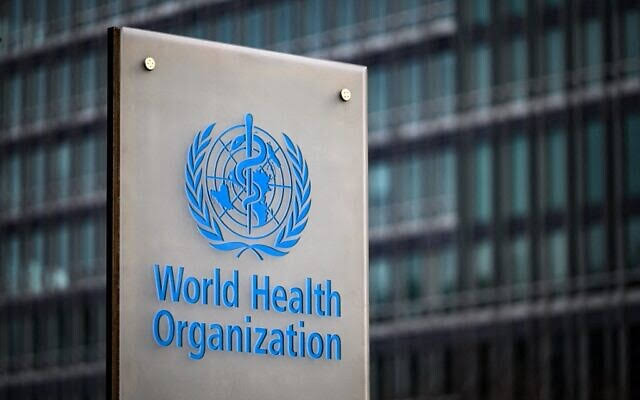
The World Health Organisation (WHO) has expressed concern over the lack of investment in primary healthcare in Nigeria and has called for greater community engagement to address health issues. Dr. Walter Kazadi Mulombo, the WHO Nigeria Country Representative, emphasized the importance of primary care in treating common diseases within communities, as well as implementing public health interventions such as disease prevention, promotion, and early detection and response to emergencies.
During a panel discussion on maternal and child health, Mulombo stressed the need for community engagement as a key aspect of primary healthcare. He highlighted the importance of targeting vulnerable populations who may not have access to health insurance coverage, ensuring that everyone receives the necessary healthcare services.
Furthermore, the UNICEF representative in Nigeria, Martin Dohlsten, echoed Mulombo’s sentiments by emphasizing the importance of reaching zero children with polio immunization. Dohlsten mentioned that UNICEF had successfully reached over 500 children with integrated polio immunization services, demonstrating their commitment to eradicating the disease.
In addition to healthcare interventions, Dohlsten highlighted the need for a multi-sectoral approach that involves sectors such as education and nutrition to address health challenges effectively. This comprehensive approach is essential for creating sustainable solutions to healthcare issues in Nigeria.
Professor Oladapo Sunday Shittu, the Provost of the College of Medicine at the Federal University of Health Sciences in Otukpo, Benue State, acknowledged Rotary Nigeria’s longstanding efforts in maternal and child health. He identified ignorance and poverty as contributing factors to the prevalence of maternal and child health challenges, emphasizing the need for continued engagement and support from stakeholders.
As Nigeria celebrates the 30th year of Rotary Nigeria’s maternal and child health initiatives, it is crucial for all sectors to come together to address healthcare challenges effectively. By investing in primary healthcare, engaging with communities, and implementing multi-sectoral approaches, Nigeria can make significant strides in improving the health and well-being of its population.
Overall, the WHO, UNICEF, and other stakeholders are committed to working together to enhance healthcare services and tackle health challenges in Nigeria. Through collaboration, community engagement, and targeted interventions, the country can move towards achieving universal health coverage and improving health outcomes for all its citizens.
Read the original article on Nigerian Tribune