Rédaction Africa Links 24 with Aaron Cole
Published on 2024-04-09 13:02:50
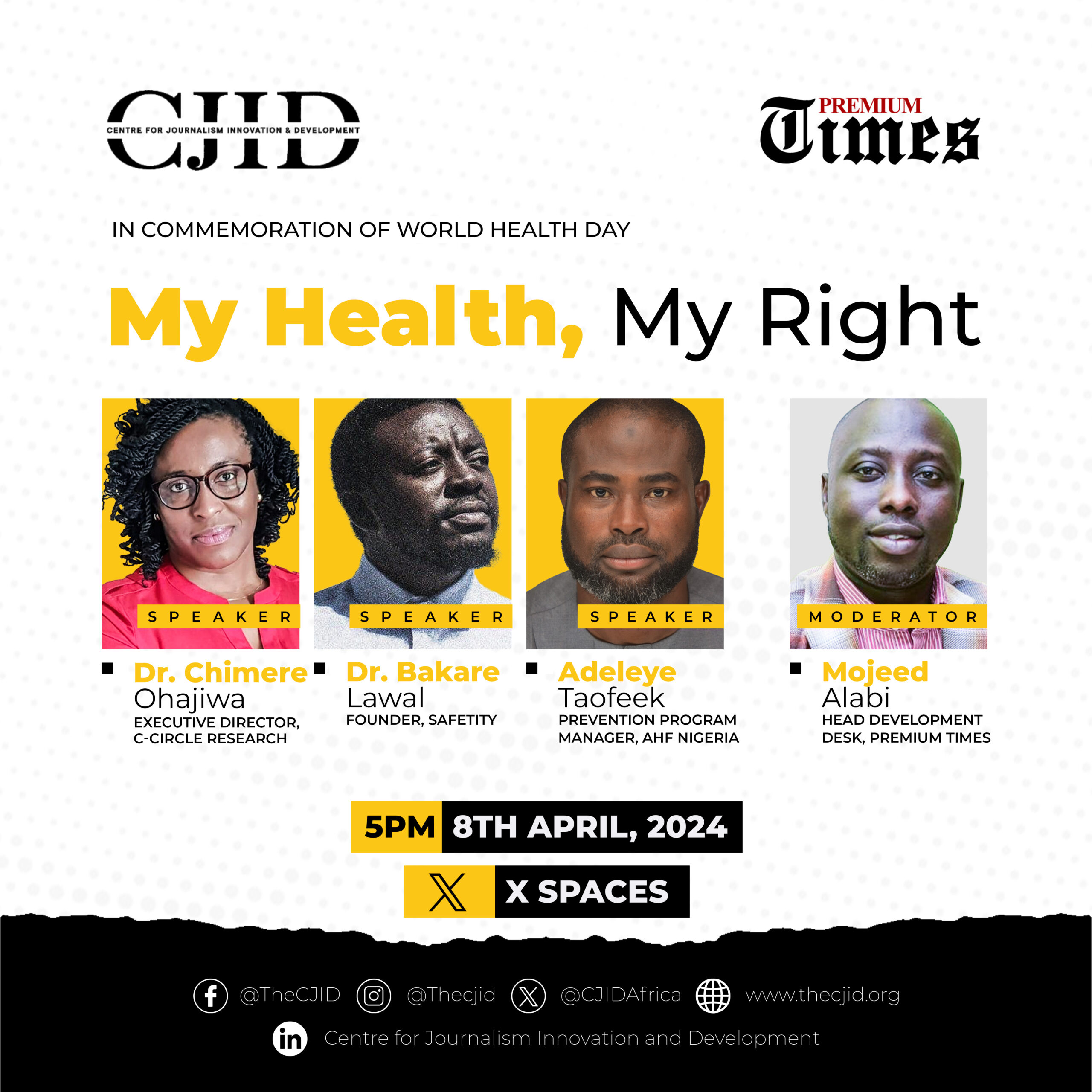
In Nigeria, health experts have outlined key strategies for enhancing public health in the country. These experts include Chimere Ohajinwa, the Executive Director of C-Circle Research focusing on environment-related public health issues, Bakare Lawal, the Founder of Safetity NGO concentrating on safety and epidemic information, and Adeleye Toafeek, a Prevention Programme Manager at AIDs Healthcare Foundation.
During a live audio discussion hosted by the Center for Journalism Innovation and Development (CJID) to commemorate World Health Day, the experts emphasized the significance of addressing Nigeria’s water crisis to mitigate healthcare challenges related to sanitation and hygiene. They highlighted the critical role of clean water in improving public health and stressed the need for environmental cleanliness and access to safe drinking water to enhance healthcare outcomes.
According to Ohajinwa, while progress has been made in public health, several challenges persist due to inadequate access to clean water and proper sanitation, particularly in rural areas. Lawal emphasized the importance of providing clean water and improving sanitation to prevent diseases caused by poor hygiene practices. He suggested developing effective water treatment programs and fluoridation to ensure safe and mineral-rich water supply.
Statistics from the Nigerian Institute of Water Engineers reveal that approximately 179 million people in Nigeria lack access to safely managed drinking water services, with 25% of the population relying on unsafe water sources. Addressing the water crisis is crucial to reducing the burden of waterborne diseases and improving overall public health outcomes.
In addition to water-related challenges, the experts emphasized the need to control infectious diseases like HIV/AIDS to enhance healthcare in Nigeria. Lawal highlighted the interconnectedness of different communicable diseases and stressed the importance of implementing comprehensive eradication programs to address environmental factors that contribute to disease transmission.
Adeleye from AIDs Healthcare Foundation discussed the evolving approaches to preventing the spread of HIV/AIDS, emphasizing the role of antiretroviral drugs and behavioral interventions in reducing transmission. He called for sustained awareness campaigns and treatment efforts to combat HIV/AIDS effectively.
The World Health Organization (WHO) also highlighted the continued prevalence of HIV transmission in Africa, despite decreasing infection rates. The organization stressed the importance of ongoing efforts to address the HIV epidemic and reduce new infections to combat the disease effectively.
Moving forward, CJID expressed its commitment to collaborating with various stakeholders to promote safe healthcare practices and improve social services in Nigeria and across Africa. The organization pledged to advocate for transparency and accountability in healthcare governance and underscored the importance of sustained partnerships to advance public health initiatives.
In conclusion, addressing the water crisis, controlling infectious diseases, and promoting effective strategies for combating HIV/AIDS are essential steps towards enhancing public health in Nigeria. Collaborative efforts between government authorities, civil societies, donor agencies, and healthcare professionals are crucial for achieving sustainable improvements in healthcare delivery and outcomes across the country.
Read the original article on Premium Times


