Rédaction Africa Links 24 with Ibrahim Ramalan
Published on 2024-03-13 21:33:05
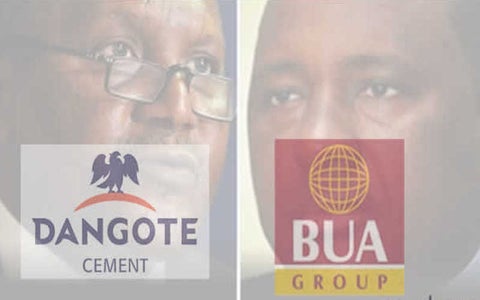
The House of Representatives recently made a resolution to invite the management of leading cement manufacturers such as Dangote, BUA, and others to discuss the high cost of cement in the country. Rep. Jonathan Gbefwi brought forward a motion at the plenary, highlighting that cement manufacturers had hiked the price of the commodity by 50%, resulting in a significant increase in the overall cost of building materials in Nigeria.
Gbefwi emphasized that the raw materials required for cement production, including lime, silica, alumina, iron oxide, and gypsum, are all sourced locally and are not affected by exchange rate fluctuations. He expressed concern over the fact that despite the local sourcing of production inputs, manufacturers were taking advantage of exchange rate volatility to raise prices, causing hardships for the citizens as prices of rent and related services soared.
The lawmaker pointed out that the current situation where the cost of production remains unchanged but prices are escalating due to arbitrary increases by the cement manufacturers, also known as the cement cabal, is unacceptable. He called for a swift resolution to address the exploitation of consumers and the undermining of efforts by the administration to improve living conditions for the populace.
In response to the motion, Rep. Peter Ifanyi highlighted that the impact of the high cement prices disproportionately affects the economically disadvantaged in society. Despite initial reports suggesting a potential price crash to N3,000, the actual prices have continued to skyrocket, resulting in increased financial burdens for Nigerians.
Supporting the claims made by his colleagues, Rep. Yussuf Gagdi accused cement dealers of engaging in smuggling activities by diverting cement to neighboring countries, depriving Nigerian consumers of essential construction materials. As a result, the Speaker of the House, Rep. Tajudeen Abbas, concluded that both cement manufacturers and relevant government agencies would be required to provide explanations and address concerns raised by the parliament.
This move by the House of Representatives underscores the urgent need to address the escalating cost of cement in Nigeria and the adverse impacts it has on the population. By mandating an interface with the key players in the cement industry, the government aims to hold them accountable for their pricing strategies and ensure fair pricing that aligns with the government’s efforts to enhance the standard of living for all Nigerians. It is hoped that this dialogue will lead to concrete solutions that benefit both consumers and the construction industry as a whole.
Read the original article on DailyNigerian.com