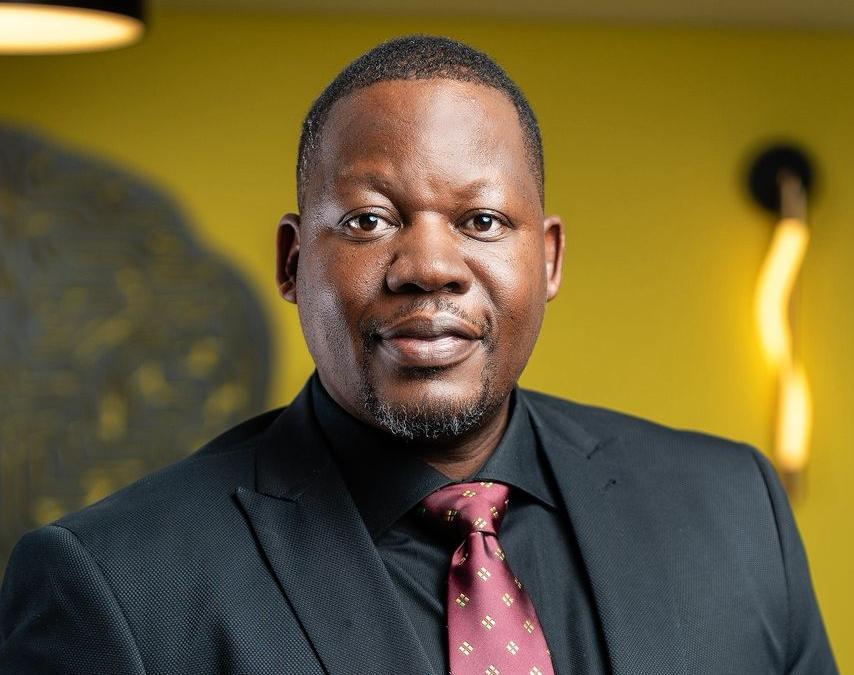
Rédaction Africa Links 24 with Umar Audu
Published on 2024-03-13 15:31:13
The Inter-Ministerial Investigative Committee on Degree Certificate Milling has initiated an investigation into private universities established in the last 15 years and has called for public input through the submission of memoranda. This decision comes after the federal government launched the probe panel in response to an undercover report by a DAILY NIGERIAN journalist, Umar Audu. In the report published on December 30, 2023, the journalist exposed how he obtained a degree from Ecole Superieure de Gestion et de Technologies (ESGT) in Cotonou, Benin Republic, in less than two months, which was then used for enrollment in the national youth service scheme (NYSC).
As a result of this revelation, the Federal Government suspended the accreditation of degree certificates from Benin and Togo Republics. The committee, through a newspaper advertorial, announced its intention to investigate whether private universities established within the last 15 years have the necessary facilities, appropriate management structures, adequate funding for programs, qualified staff, and more.
The committee emphasized that the probe is independent of the regular accreditation process conducted by the National Universities Commission. They have requested public memoranda to gather information that will assist them in making informed recommendations to address the issue at hand. Jibrila Amin, the Committee Chairman, stated that the committee will scrutinize the involvement of any Ministry, Department, or Agency (MDA) in the recognition and procurement of fake certificates. They will also assess the rules and procedures for recognizing and accrediting foreign universities and programs by the Federal Ministry of Education.
Furthermore, the committee will identify any unapproved foreign institutions operating in Nigeria, provide recommendations to prevent future occurrences, and propose sanctions for individuals found to be complicit. Additionally, they will suggest ways to enhance the system of recognition, accreditation, and quality assurance of degrees in Nigeria and review the processes for granting provisional licenses to new universities by the National Universities Commission.
Overall, the committee’s objective is to address the issue of degree certificate milling and ensure the integrity of the education system in Nigeria. They are committed to conducting a thorough investigation, obtaining public input, and making recommendations to strengthen the process of recognizing and accrediting educational institutions in the country.
In conclusion, the committee’s call for public memoranda underscores the importance of transparency, accountability, and collaboration in addressing critical issues in the education sector. By involving stakeholders and the general public in the investigative process, the committee aims to promote trust and confidence in the Nigerian education system and safeguard the value of academic credentials.
Read the original article on DailyNigerian.com