Rédaction Africa Links 24 with Ibrahim Ramalan
Published on 2024-02-22 14:23:05
The Nigeria Centre for Disease Control and Prevention (NCDC) has reported a total of 411 confirmed cases and 72 deaths from Lassa fever across 21 states of the federation from week one to week six of 2024. According to the NCDC’s official website, the number of new confirmed cases increased from 70 in week five to 83 in week six, with nine deaths recorded in week six, spanning from February 5 to February 11.
The NCDC revealed that 65 percent of all the confirmed cases were from Ondo, Edo, and Bauchi states, while 35 percent were reported from 17 other states. Additionally, the number of suspected cases in 2024 decreased to 2,122 from the figure reported for the same period in 2023, which was 8,280. The predominant age group affected by Lassa fever was the 21-30 years age group, and two new health workers were affected in the reporting week.
The National Lassa fever multi-partner, multi-sectoral Incident Management System has been activated by the NCDC to coordinate response at all levels at the Emergency Operations Centre (EOC). The agency also listed some of the challenges it faced in its fight against Lassa fever, including late presentation of cases, poor health-seeking behavior due to the high cost of treatment, poor environmental sanitation, and inadequate awareness in high-burden communities.
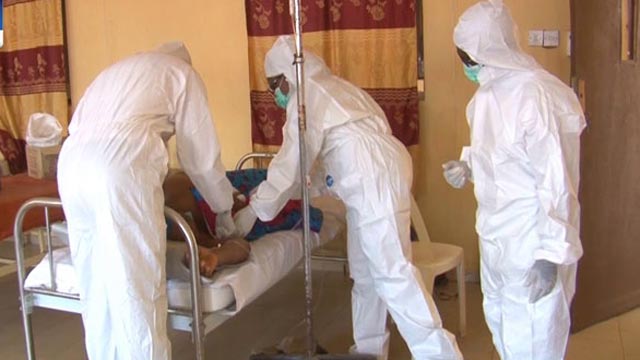
Lassa fever is an acute viral hemorrhagic illness that is transmitted to humans through contact with food or household items contaminated by infected rodents or contaminated persons. Its symptoms include fever, headache, sore throat, general body weakness, cough, nausea, vomiting, diarrhea, muscle pains, chest pain, and in severe cases, unexplainable bleeding from ears, eyes, nose, mouth, and other parts of the body. Healthcare workers can be at risk of contracting the virus through exposure to patients’ bodily fluids.
The World Health Organization (WHO) provides several precautions for the prevention of Lassa fever, including minimizing exposure to rodents and their urine or feces, sealing up holes or gaps in homes or buildings to prevent rodents from entering, washing hands frequently with soap and water, storing food in sealed containers and cooking it thoroughly, and avoiding eating food that may have been contaminated by rodents. In areas where Lassa fever is endemic, safe burial practices are advised to minimize the risk of exposure to the virus from deceased individuals.
The NCDC urges Nigerians to wear gloves, masks, goggles, and other protective equipment if in contact with potentially infected individuals to prevent exposure to bodily fluids. It also advises anyone who develops symptoms of Lassa fever to seek medical attention promptly, as early diagnosis and treatment can improve outcomes and reduce the spread of the virus to others.
Read the original article on DailyNigerian.com


