Rédaction Africa Links 24 with Agency Report
Published on 2024-03-27 04:14:48
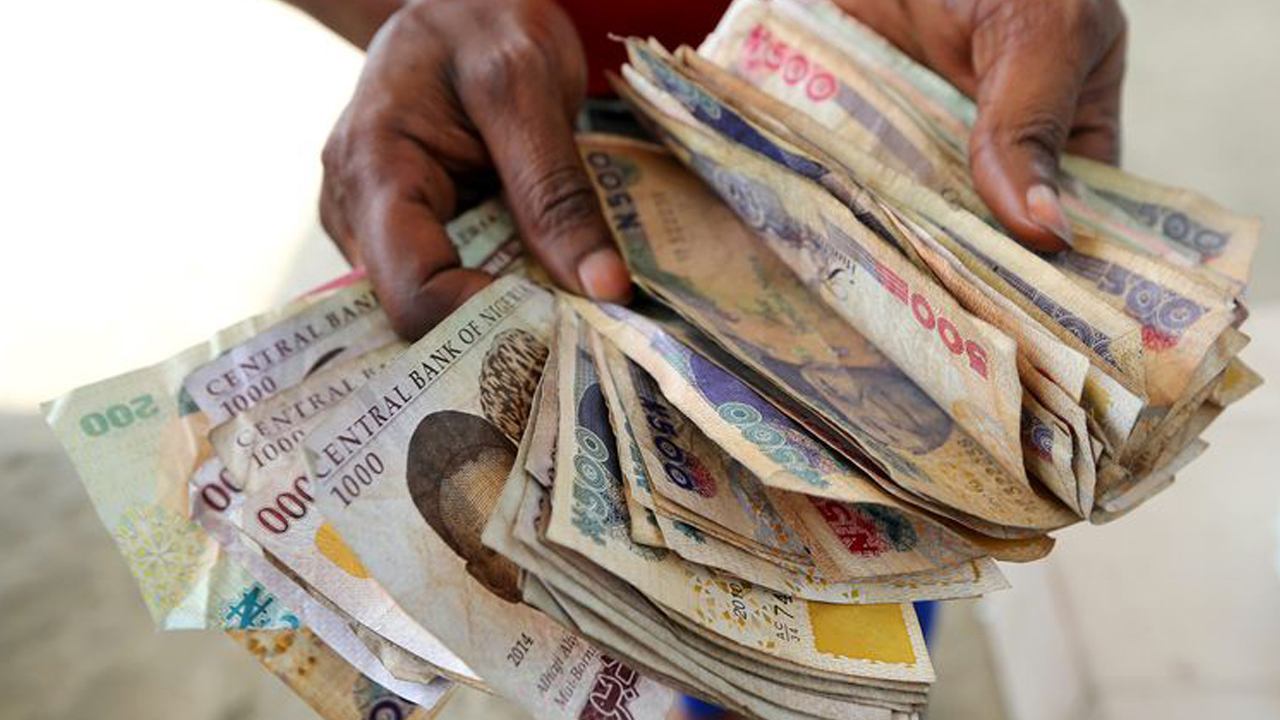
The Naira saw a significant appreciation in the official market, trading at N1,382.95 to a dollar on Tuesday. This represented a strengthening of N25.09 or 1.78% compared to the previous day’s rate of N1,408 against the dollar. The total turnover also increased to $245.58 million on Tuesday, up from $222.15 million the day before.
At the Investor’s and Exporters (I&E) window, the Naira traded within the range of N1,486 and N1,300 against the dollar. The Central Bank of Nigeria (CBN) made a significant move earlier that day during its 294th Monetary Policy Committee (MPC) meeting, raising the Monetary Policy Rate (MPR) by 200 basis points from 22.75% to 24.75%. CBN Governor Yemi Cardoso mentioned that this decision was aimed at addressing the nation’s increasing inflation.
In light of these developments, the Naira appears to be gaining strength against the dollar in different market segments. The market participants are closely monitoring these movements and decisions made by the CBN to understand the implications on the exchange rate and the overall economy.
As the exchange rate continues to fluctuate, it is essential for businesses and individuals to stay updated on the latest developments and make informed decisions regarding foreign exchange transactions. The exchange rate plays a crucial role in the economy, affecting import and export activities, inflation, and overall economic stability.
For businesses engaged in international trade, it is crucial to hedge against exchange rate risks and leverage opportunities arising from currency fluctuations. Having a robust foreign exchange risk management strategy in place can help mitigate the impact of changing exchange rates on business operations and profitability.
It is also vital for investors and portfolio managers to consider the impact of exchange rate movements on their investment portfolios. Currency fluctuations can affect the returns on foreign investments and the overall performance of investment portfolios. Diversifying investments across different currencies and asset classes can help reduce exposure to currency risk.
In conclusion, the recent appreciation of the Naira against the dollar in the official market reflects the dynamics of the foreign exchange market and the interventions by the CBN to stabilize the exchange rate. Market participants need to stay informed, monitor developments closely, and consider the implications on their business and investment decisions. A proactive approach to managing foreign exchange risk can help businesses and investors navigate the challenges and opportunities presented by currency fluctuations.
Read the original article on Premium Times


