Rédaction Africa Links 24 with Ogaga Ariemu
Published on 2024-02-14 16:12:55
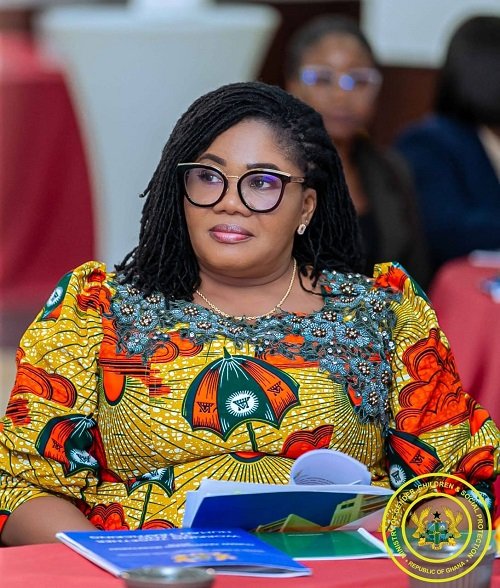
The Labour Party of Nigeria has recently been embroiled in a controversy that has led to the suspension of its National Treasurer, Oluchi Opara. This decision was made by the party’s National Working Committee and announced at a press conference held at the party’s secretariat in Abuja. The suspension comes in the wake of a rift between Opara and Julius Abure, the party’s National Chairman, over an alleged misappropriation of N3.5 billion campaign funds.
Opara had previously demanded that Abure provide an account of the N3.5 billion raised from the party’s nomination forms and fundraising activities in preparation for the February 2023 general election. This demand from Opara sparked a series of allegations against Abure, resulting in a heated conflict within the party.
In response to Opara’s allegations, the party’s National Publicity Secretary, Obiora Ifoh, labeled Opara as a mole being used to create a crisis within the party. He expressed that her actions were insulting to the party’s leadership and its millions of members who have worked hard to build the party’s image. As a result, the disciplinary committee recommended to the National Executive Council that Opara be suspended from the Labour Party for at least six months, effectively immediately.
This turn of events has brought to light the internal struggles and power dynamics within the Labour Party. The rift between Opara and Abure has revealed underlying tensions and conflicts that have now escalated to a point where disciplinary action has been taken. This has raised concerns about the party’s stability and unity, as well as its ability to effectively govern and represent the interests of its constituents.
The suspension of Opara has also sparked discussions about the transparency and accountability of political parties in Nigeria. The demand for accountability in the use of campaign funds highlights the importance of financial integrity and ethical practices within political organizations. It also underscores the need for mechanisms to prevent and address financial misconduct or mismanagement within the party.
Moving forward, the Labour Party will need to address the fallout from this controversy and work towards resolving internal conflicts. The party must prioritize unity, accountability, and transparency to regain the trust of its members and the public. Additionally, measures should be put in place to prevent similar incidents from occurring in the future, including the establishment of clear guidelines for fundraising, financial management, and reporting.
In conclusion, the suspension of Oluchi Opara from the Labour Party reflects the challenges and complexities that political organizations in Nigeria face. It underscores the importance of upholding ethical standards and transparency within the party and serves as a reminder of the need for accountability in the use of campaign funds. It also highlights the imperative for the party to address internal conflicts and work towards rebuilding trust and unity. The repercussions of this controversy will undoubtedly shape the future trajectory of the Labour Party and its ability to effectively represent the interests of the Nigerian people.
Read Original article Here