Rédaction Africa Links 24 with News Desk
Published on 2024-03-28 18:22:09
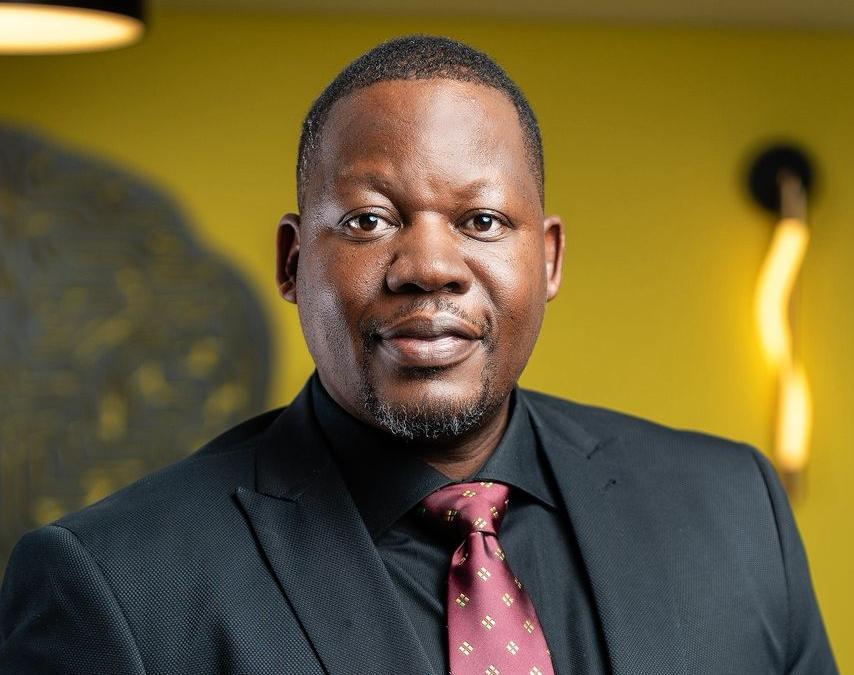
The Economic Community of West African States, ECOWAS, has revealed that it needs approximately 5.2 billion dollars to tackle the infrastructure deficit and achieve its primary goals of boosting the economic growth of the subregion. The ECOWAS Commissioner for Infrastructure, Energy, and Digitalization, Sediko Douka, conveyed this information during a press conference in Abuja.
In an effort to combat these challenges, the leaders of the subregion previously authorized the establishment of an ECOWAS fund for the development and financing of the transport and energy sectors, known as FODETE. Mr. Douka elaborated that this fund is specifically dedicated to funding regional infrastructure projects, particularly in the transport and energy sectors, and is financed through levies imposed on the primary export resources of member states, such as agriculture, oil, gas, and minerals.
Describing FODETE as a sustainable financing mechanism, Mr. Douka highlighted that it is projected to generate over 350 million dollars annually and is expected to grow over a period of 20 years. To address the multiple infrastructure obstacles in West Africa, ECOWAS has implemented various regional electricity and energy programs and projects aimed at promoting subregional economic integration and growth.
Specialized agencies have been set up in the energy sector, including the West African Power Pool (WAPP) in Cotonou, Benin, the Regional Electricity Regulatory Authority (ERERA) in Accra, Ghana, the Centre for Renewable Energy and Energy Efficiency (ECREEE) in Praia, Cape Verde, and the West African Gas Pipeline Authority (WAGPA) in Abuja, Nigeria. WAPP’s strategic objective is to integrate the operation of the national electricity grids of ECOWAS member states into a unified regional electricity market to ensure a stable and cost-effective electricity supply in the long term.
Furthermore, ECOWAS has launched projects such as the Regional Electricity Access Project (ECOREAP) and the Battery Energy Storage System (BEST) to enhance electricity supply efforts in member states. The ECOREAP aims to connect 1.1 million households in nearly 600 localities to the electrical grid, with funding of 225 million dollars from the World Bank targeting villages in Gambia, Guinea Bissau, and Mali.
Moreover, the Regional Off-Grid Electricity Access Project (ROGEAP) has been initiated by ECOWAS to increase electricity access rates for households, businesses, and institutions in 19 countries, including the 15 ECOWAS member states. ECOWAS has also initiated a regional electricity market overseen by ERERA and WAPP since June 2018, in addition to various renewable energy projects to boost energy capacity and rural electrification.
Currently, 14 out of the 15 ECOWAS member states are interconnected, with plans underway to connect Cabo Verde through a high-voltage submarine cable. The goal is to enable electricity exchanges and ensure competitive tariffs to meet the increasing demand. Mr. Douka emphasized the importance of independent energy producers in meeting the energy demand. With these initiatives in place, ECOWAS is making significant strides towards achieving its infrastructure and energy goals for sustainable economic growth in the region.
Read the original article on DailyNigerian.com