Redaction Africa Links 24 with Legit.ng
Published on 2024-02-01 07:58:39
The Chairman of the Economic and Financial Crimes Commission (EFCC), Ola Olukoyede, has revealed that the agency has traced the sum of N7 billion from the proceeds of fraud to a religious organization. According to Olukoyede, the money was suspected to be proceeds of fraud and money laundering, and was discovered during the investigation of a N13 billion fraud case. The EFCC boss disclosed that when operatives of the agency visited the church during the investigation, they received a restraining order, which stopped the agency from probing further.
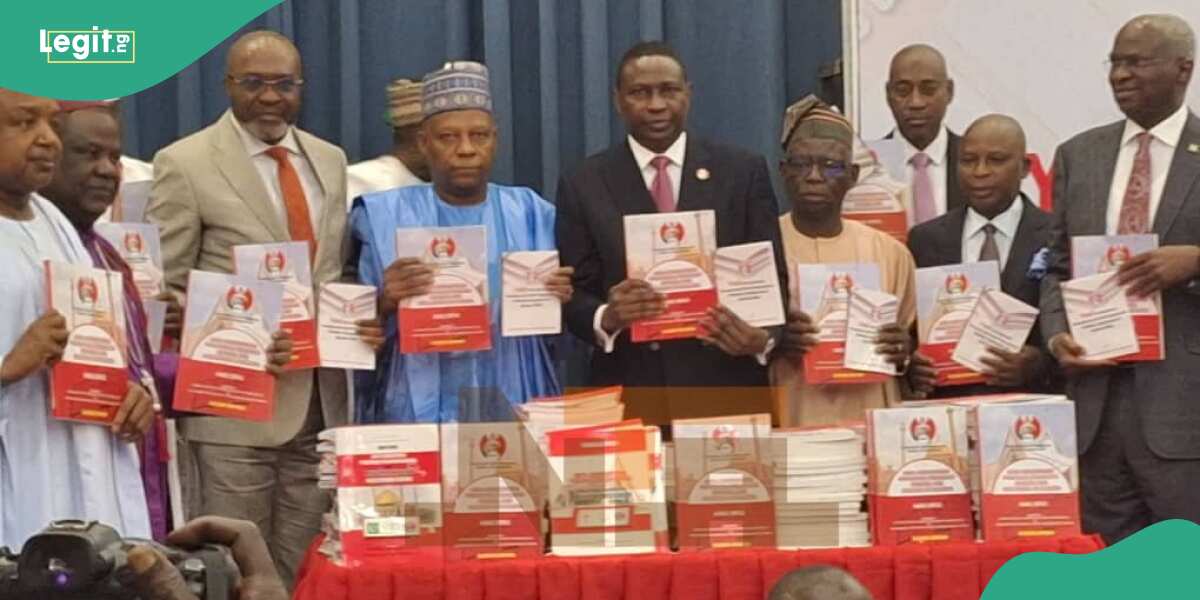
Speaking at a one-day dialogue on “Youth, Religion, and the Fight against Corruption” at the Musa Yar’Adua Centre in Abuja, Olukoyede also revealed that another religious sect was found to be laundering money for terrorists. He emphasized that some religious bodies, organizations, sects, and institutions had been of help and support to fraudsters and terrorists. It was discovered that the laundered N7 billion was in the bank account of a church while the EFCC was investigating the N13 billion fraud.
Although Olukoyede did not disclose the identity of the religious organization, a source privy to the development cited by The Punch, revealed that it was indeed a church. Olukoyede vowed that the commission would retrieve the money through legal processes, stating, “We were investigating an N13 billion money laundering case when we discovered that N7 billion of the N13 billion was linked to a religious organization’s bank account.”
He also mentioned that when the religious organization was approached regarding the EFCC investigation, there was a restraining order stopping the agency from probing further. This revelation comes amidst increasing concerns about financial fraud and money laundering cases within religious organizations.
This is not the first time the EFCC has uncovered such activities within religious organizations. Earlier reports from Legit.ng indicated that the EFCC Chairman Ola Olukoyede had revealed that a religious sect in Nigeria was responsible for laundering money for terrorists. The Chairman also disclosed that a religious organization was caught protecting a money launderer after the laundered money was traced to the religious organization’s account. The agency received a restraining order when attempting to carry out an investigation at the religious organization.
The EFCC has made it clear that it will not relent in its efforts to combat financial crimes and money laundering, regardless of the organizations involved. These recent revelations highlight the importance of vigilance and accountability when it comes to financial transactions within religious organizations.
The disclosure by the EFCC Chairman underscores the need for financial transparency and accountability within religious organizations and serves as a reminder of the agency’s commitment to combating financial crimes and money laundering in Nigeria. It is vital for religious organizations to maintain integrity and ethical standards in their financial operations in order to uphold public trust and confidence. The EFCC’s efforts to uncover and address financial malpractices within the religious sector are essential for promoting transparency and combating fraud and money laundering activities.
Read the original article on Legit.ng