Rédaction Africa Links 24 with Guardian Nigeria
Published on 2024-04-08 03:44:22
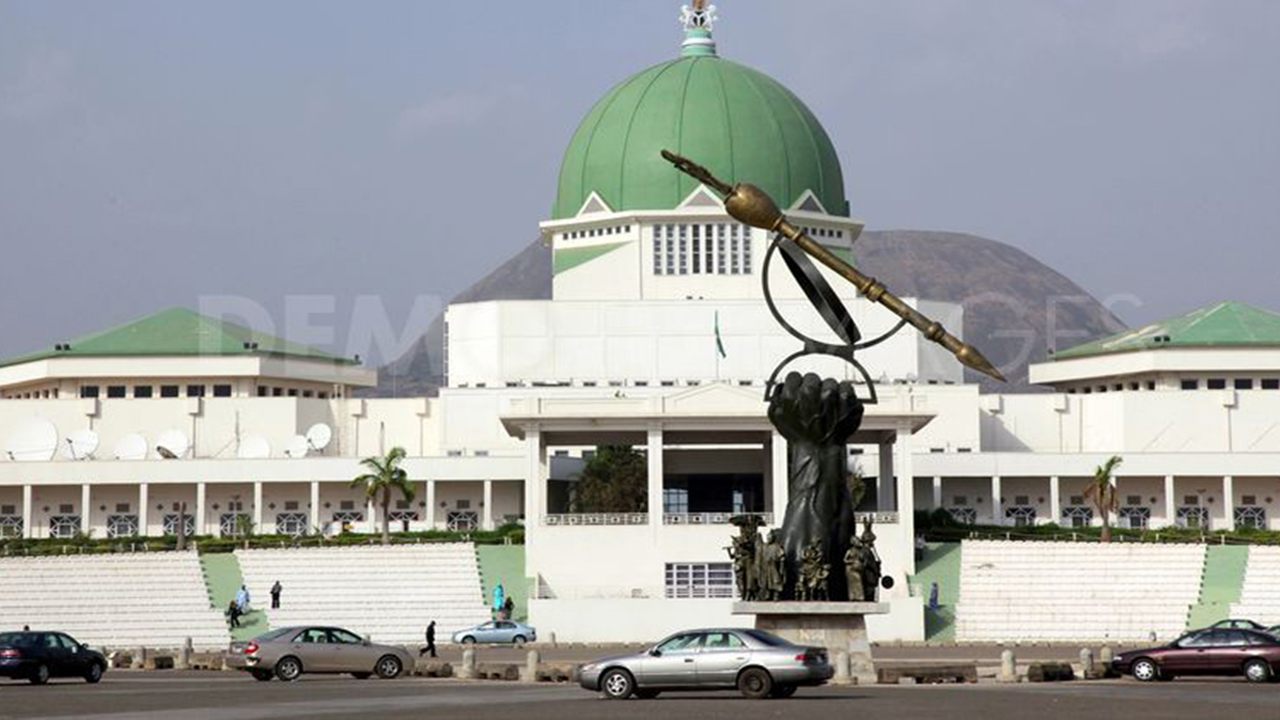
Amidst the uproar generated by a sudden 240% increase in electricity tariffs, tensions in the National Assembly have led to an extension of the Easter/Sallah holiday by a week. The decision was made by the body of principal officers, including Senate President Godswill Akpabio and Speaker of the House of Representatives, Tajudeen Abass. This move, motivated by security intelligence and lawmakers’ initial reactions against the tariff hike, aimed to allow for consultation and diffuse the escalating situation within the legislative chambers.
The new resumption date of April 23, 2024, will give the leadership time to consult with various caucuses in the National Assembly, including minority party caucus, northern Senators, and northern Representatives to address potential sources of opposition. There are plans to reach out to the presidency for further consultations on the tariff hike, with a focus on reassuring the public through cohesive messaging.
The decision to postpone sittings falls within the standing rules of the Senate, granting such powers to the Senate President under specific circumstances where public interest demands an alteration of recess dates. Although the electricity tariff increase has been met with opposition from lawmakers across political, religious, and regional divides, with concerns raised about its impact on constituents’ well-being amidst rising living costs.
Representatives like Kingsley Chinda, leader of the Minority Caucus in the House of Representatives, have condemned the hike as insensitive and inhumane, exacerbating the economic hardships faced by ordinary citizens. Chinda highlighted the disconnect between policymakers and the population, pointing out that governments in other parts of the world are actively implementing supportive measures to ease economic burdens.
Aliu Ndume, Chief Whip of the Senate, raised concerns about the timing of the hike, coming on the heels of the removal of fuel subsidy and at a time when many Nigerians are still grappling with high inflation and other economic challenges. He called for stable electricity, reduced inflation, and improved purchasing power for Nigerians before any additional financial burdens are imposed.
Both chambers of the National Assembly have signaled their intention to address the tariff hike upon resumption, with Senate Committees on Power already studying the situation. The Parliament is committed to ensuring that policies do not further burden the populace and seeking sustainable solutions that benefit all stakeholders.
In conclusion, the postponement of legislative duties reflects the lawmakers’ commitment to engaging with public concerns and working towards equitable solutions to address the challenges faced by Nigerians. The unfolding situation presents an opportunity for the government and legislators to collaborate in addressing the pressing issues affecting the populace and fostering a more inclusive decision-making process in policy formulation.
Read Original article on The Guardian