Rédaction Africa Links 24 with Emma Mulwa
Published on 2024-04-08 06:25:39
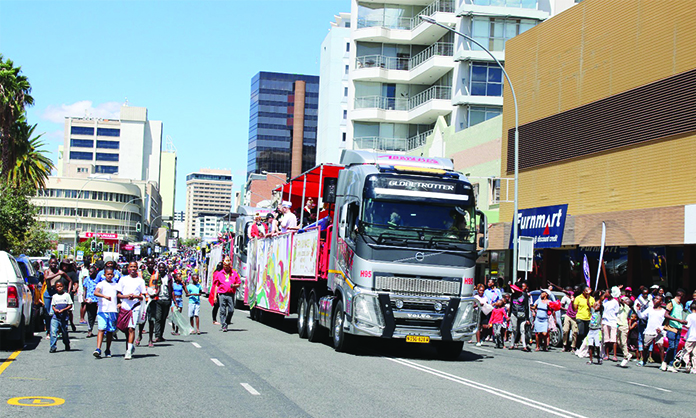
WIKA Time is an annual event that celebrates the rich cultural heritage of the Ovaherero and Nama people in Namibia. The event typically includes traditional dance performances, music, storytelling, and cultural displays.
WIKA Time is an important opportunity for the Ovaherero and Nama people to come together and showcase their traditions and customs. It is a time for community members to reconnect with their roots and preserve their cultural identity.
The event is also open to people from other cultural backgrounds who are interested in learning more about the Ovaherero and Nama cultures. It provides a chance for cultural exchange and understanding between different groups in Namibia.
One of the main highlights of WIKA Time is the traditional dance performances. Dancers wear elaborate costumes and perform intricate movements that have been passed down through generations. The dances often tell stories of the Ovaherero and Nama people’s history and beliefs.
Music is another important aspect of WIKA Time. Traditional instruments such as drums, rattles, and horns are played, creating a lively and rhythmic atmosphere. Singing is also a key component, with traditional songs being sung in the Ovaherero and Nama languages.
Storytelling plays a significant role in WIKA Time as well. Elders from the Ovaherero and Nama communities share myths, legends, and folktales that have been handed down orally for centuries. These stories provide valuable insights into the beliefs and values of the Ovaherero and Nama people.
Cultural displays at WIKA Time showcase traditional crafts, artwork, and clothing. Visitors can see firsthand the craftsmanship and skill that goes into creating items such as pottery, beaded jewelry, and leather goods. These displays highlight the artistic talents of the Ovaherero and Nama people.
WIKA Time is not just a celebration of culture, but also a time for reflection and remembrance. The event pays tribute to the resilience and strength of the Ovaherero and Nama people, who have faced numerous challenges throughout history. It serves as a reminder of the importance of preserving and honoring indigenous cultures.
In addition to the cultural festivities, WIKA Time often includes educational workshops and seminars. Topics may include traditional healing practices, language preservation, and environmental conservation. These activities help to raise awareness about issues that are important to the Ovaherero and Nama communities.
WIKA Time is a time of unity and solidarity for the Ovaherero and Nama people. It brings together individuals from different backgrounds who share a common heritage and a desire to celebrate and preserve their culture. The event fosters a sense of pride and belonging among community members and strengthens bonds within the Ovaherero and Nama communities.
Overall, WIKA Time is a vibrant and enriching cultural experience that showcases the beauty and diversity of the Ovaherero and Nama cultures. It is a time to celebrate, learn, and embrace the rich traditions of these indigenous peoples in Namibia.
Read the original article on The Namibian


