Rédaction Africa Links 24 with OCCRP ID
Published on 2024-04-07 08:42:52
Viktor Soldatov, an IT administrator for a dock-building factory in Kherson, Ukraine, was detained in August 2022 by Russian soldiers. He was told he would soon be allowed to return home but endured nine months of brutal treatment that led him to attempt suicide in his cell.
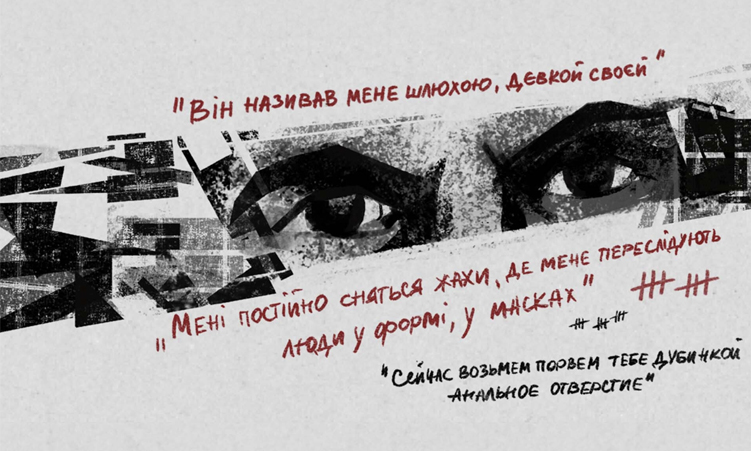
Soldatov recalled being subjected to horrific torture during his interrogation, including being spread apart on a table and prodded with a rubber truncheon on his buttocks. He never fully understood why he was targeted, as his interrogators seemed more focused on inflicting pain than extracting information.
After his release, Soldatov found that much of the Kherson region had been liberated in Ukraine’s counteroffensive. However, as Western support wavered, the tide of the battle shifted, with the threat of a renewed Russian offensive looming. This grim reality continues to reveal the atrocities endured by those at the mercy of the Russian forces.
Soldatov was one of four men from the Kherson region interviewed by OCCRP’s Ukrainian partner about their experiences in captivity. Each man’s story varied in length and severity, but all shared accounts of brutal torture, including stress positions, waterboarding, beatings, and sexual violence.
Serhiy Chudinovich, a priest active in the resistance against Russian rule, detailed his harrowing experience of physical and psychological abuse at the hands of his captors. He described being stripped naked, beaten, and sexually assaulted until he agreed to collaborate with the occupiers.
Oleg, an entrepreneur, endured 17 days of captivity, during which he was subjected to beatings, threats to his family, and electric shocks to his genitals. His captors attempted to extract information through torture and forced him to make a propaganda video before his release.
Volodymyr, a former policeman, spent nearly a year in captivity, enduring threats of sexual assault and physical violence. He highlighted the pervasive culture of violence and power within Russian forces that led to the relentless abuse he suffered.
Anton Drobovich, head of the Ukrainian Institute of National Memory, emphasized the importance of investigating war crimes to restore justice and dignity to the survivors. Despite the challenges, efforts are being made to identify and prosecute those responsible for the horrific treatment of Ukrainian civilians.
The stories of Soldatov, Chudinovich, Oleg, and Volodymyr shed light on the brutal realities faced by those under Russian occupation in Ukraine. Their courage in sharing their experiences serves as a call to action for justice and accountability in the face of such heinous crimes.
Read the original article on The Namibian