Rédaction Africa Links 24 with Donald Matthys
Published on 2024-02-27 17:00:00
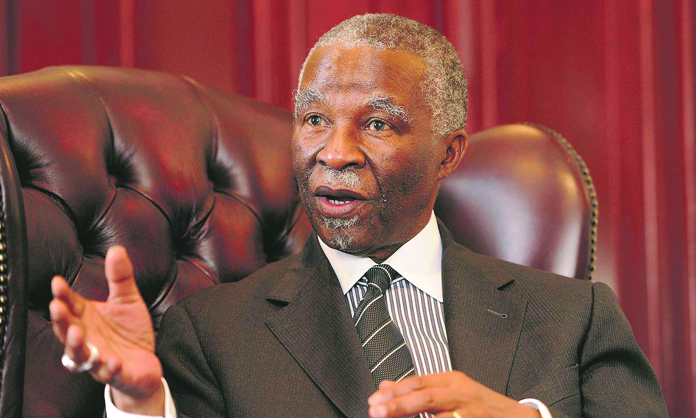
Former South African president Thabo Mbeki believes that principled political leadership is essential to ensure that the discovery of oil and gas deposits in Namibia brings benefits rather than negative consequences. In an interview with the Namibian Broadcasting Corporation, Mbeki emphasized the need for proper management of these resources to avoid potential pitfalls.
Namibia has made significant oil discoveries between February 2022 and July 2023, including the Graff-1, Jonker-1X, La Rona-1, Lesedi-1X discoveries in PEL 39 by Shell Namibia Upstream BV and partners, as well as the Venus-1 discovery in PEL 56 by TotalEnergies EP Namibia and partners. Mbeki praised the leadership of late President Hage Geingob, stating that his principled approach was crucial in managing these discoveries effectively.
Mbeki also referenced the Fishrot scandal, which exposed high-level corruption in the fishing industry involving Namibian officials. He warned that such corruption could be amplified in the oil and gas sector if not properly addressed. Political analyst Rui Tyitende highlighted the challenges of corruption in resource-rich sectors and the importance of transparency and accountability in managing these resources for the benefit of the people.
Tyitende noted that Mbeki’s remarks about Geingob’s leadership may not fully capture the complexities of Namibia’s political and economic landscape. He pointed out instances where the late president thanked individuals implicated in the Fishrot scandal, revealing potential contradictions in leadership. Tyitende underscored the need for transparency in the allocation of petroleum exploration licenses to prevent corruption and ensure that the benefits of oil and gas reach the Namibian people.
Graham Hopwood, the director of the Institute for Public Policy Research (IPPR), echoed the call for greater transparency and accountability in Namibia’s petroleum sector. He emphasized the importance of joining initiatives like the Extractive Industries Transparency Initiative to prevent corruption and ensure that the benefits of oil are distributed equitably among the populace. Hopwood highlighted the reforms needed to achieve transparency in the extractives sector, including mining and fisheries, to prevent the concentration of benefits in the hands of a corrupt political elite.
In conclusion, Mbeki’s insights on the importance of principled political leadership and transparency in managing oil and gas resources in Namibia highlight the challenges and opportunities facing the country. As Namibia navigates the complexities of its emerging oil sector, it will be essential to implement reforms that promote accountability, prevent corruption, and ensure that the benefits of these resources are shared equitably among its people.
Read the original article on The Namibian


