Rédaction Africa Links 24 with Ester Mbathera
Published on 2024-03-13 18:39:54
Health Minister Kalumbi Shangula has addressed concerns about a possible dysentery outbreak in Namibia, specifically in Windhoek, amidst a rise in cases of diarrhoea. Dysentery is an infection of the intestines that leads to bloody diarrhoea. Despite reports linking the increase in diarrhoea cases to the tap water in Windhoek, Minister Shangula has clarified that there is no dysentery outbreak in the country.
According to the Minister, sporadic cases of diarrhoea are not uncommon and can be caused by various factors such as viruses, bacteria, parasites, and chemicals. City of Windhoek spokesperson Harold Akwenye also confirmed that there have been no formal complaints regarding the water quality in the municipality.
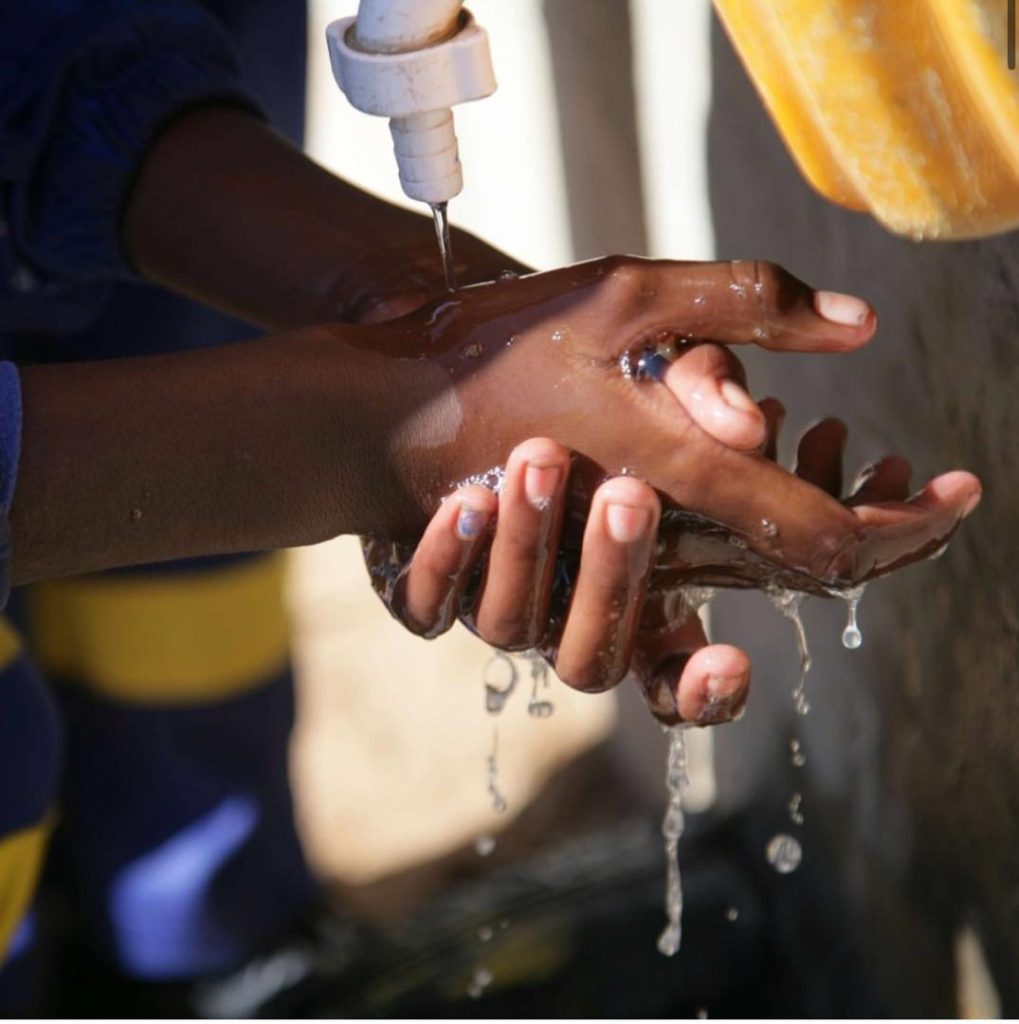
In addition to maintaining personal hygiene, Dr. Bernard Haufiku, a medical doctor, advised the public to avoid handshakes during mourning or other serious family events to prevent the spread of diseases. He recommended adopting alternative greetings and emphasized the importance of handwashing, especially after using the toilet or after being in contact with bodily fluids.
Dr. Haufiku also stressed the importance of thoroughly cooking food like pork and fish to prevent the transmission of bacteria and pathogens. By following these practices, individuals can reduce the risk of contracting diseases and maintain overall health and wellbeing.
As part of efforts to promote credible journalism, The Namibian offers in-depth reporting and opinions for a monthly subscription fee of N$85. By subscribing to The Namibian, readers can stay informed and support quality journalism that is essential for democracy. To subscribe and access exclusive content, readers can visit the website and sign up for a subscription.
In conclusion, while there have been reports of increased cases of diarrhoea in Namibia, particularly in Windhoek, there is no dysentery outbreak in the country. It is important for the public to prioritize personal hygiene, avoid handshakes in certain situations, and practice safe food preparation methods to prevent the spread of diseases. By staying informed and following health guidelines, individuals can protect themselves and their communities from potential health risks.
Read the original article on The Namibian