Rédaction Africa Links 24 with Selma Iyambo
Published on 2024-04-13 06:00:00
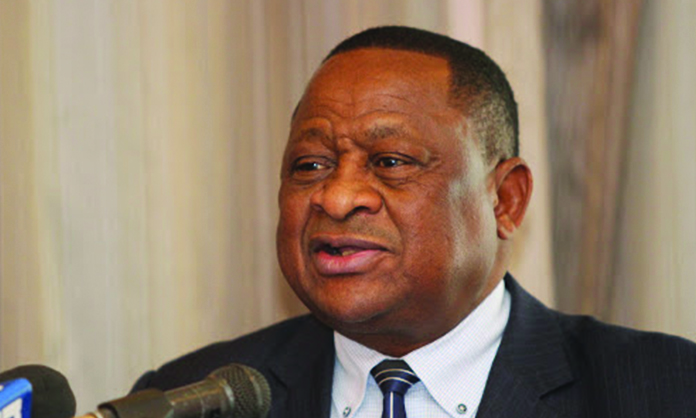
The Ministry of Health and Social Services is currently facing a significant shortage of skilled professionals in various key fields. Health Minister Kalumbi Shangula highlighted this issue during a recent presentation at the Government Information Centre, indicating a pressing need for optometrists, audiologists, dieticians, speech and language therapists, and clinical technologists. Additionally, there is a shortage of sonographers, dental technicians, psychologists, orthopaedic technicians, and medical orthotists.
Shangula emphasized the importance of funding undergraduate training programs in these critical areas to address the personnel shortfall. He mentioned that a request has been made to the Office of the Prime Minister to create new positions and identify additional roles to meet the current healthcare demands. As the population of Namibia has increased substantially from 2.1 million in 2011 to approximately 3 million in 2023, the delivery of health and social services has become more challenging.
Most of the health infrastructure in Namibia was established when the population was much smaller, highlighting the need for improvements and expansions to accommodate the growing number of residents. Currently, more than 85% of the population relies on public health and social services, which include a network of clinics, healthcare centers, hospitals, and outreach points across the country.
The ministry has implemented various initiatives to enhance access to healthcare services, including the construction of new facilities, maintenance of existing infrastructure, and procurement of medical equipment and supplies. Shangula commended the government’s achievements in addressing public health concerns, such as efforts to eliminate mother-to-child transmission of HIV and hepatitis B. The country has received recognition from the World Health Organization for its progress in these areas.
In response to the COVID-19 pandemic, the ministry has expanded intensive care unit (ICU) bed capacity across all regions and increased renal dialysis treatment at several hospitals. Renovations and upgrades at key healthcare facilities have been completed or are ongoing to improve service delivery and medical care for patients. The Central Medical Stores Namibia has also undergone improvements to enhance storage infrastructure and address bottlenecks in procurement and delivery processes.
Despite these challenges, the government remains committed to providing quality healthcare services to the Namibian population. Investments in healthcare professionals, infrastructure, and technology are essential to meet the evolving healthcare needs of the country. By addressing the shortage of skilled professionals and expanding services, the Ministry of Health and Social Services aims to ensure that all residents have access to timely and effective healthcare services.
Read the original article on The Namibian