Rédaction Africa Links 24 with Donald Matthys
Published on 2024-03-01 17:00:00
The government of Namibia is currently strategizing on how to repay a Eurobond of US$750 million (N$14.3 billion) that is due 18 months from now. This debt was taken on in 2011 during the presidency of Hifikepunye Pohamba and is the largest single-day debt repayment in the country’s history. The funds from this Eurobond were used for various projects, including the National Housing Enterprise housing initiative.
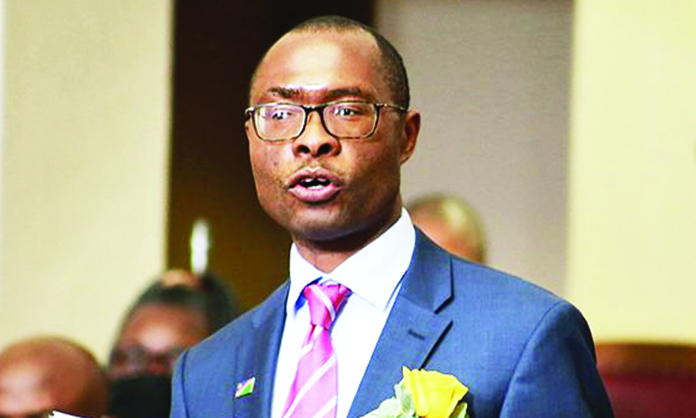
Finance minister Iipumbi Shiimi announced during the 2024/25 budget that the government plans to set aside N$3.5 billion from Southern African Customs Union (SACU) receipts in the fiscal year 2024/25, and another N$2 billion in 2025/26 to a sinking fund. This fund is intended to ensure that there is enough money to pay off two-thirds (US$500 million) of the Eurobond when it matures in October 2025.
Namibia estimates revenue of N$28 billion from SACU receipts in the 2024/25 financial year, which will help in repaying the Eurobond. The remaining one-third of the bond (US$250 million) will be refinanced using the most cost-effective instrument in the following financial year to manage debt servicing costs.
Economist Klaus Schade commended the government’s efforts to repay the debt and mentioned that setting aside N$4.2 billion into a sinking fund will help reduce the debt-to-gross domestic product ratio to below the international threshold of 60%. This will in turn reduce interest payments and the risk of exchange rate fluctuations on debts and interest payments.
Schade recommended borrowing the remaining Eurobond amount from within Namibia to benefit local financial institutions and individuals who invest in government bonds and treasury bills. However, he cautioned that interest rates in the domestic market are higher and there could be liquidity constraints.
IJG research analyst Angelique Bock noted that the budget deficit is expected to increase by 34% year-on-year in 2025/26 due to the Eurobond repayment, but it is a one-off payment that will be completed the following year. This repayment will impact the budget deficit, as money allocated for expenditure will be reserved for the Eurobond payment.
Looking ahead, Schade suggested exploring borrowing options from development finance institutions in South African rand to avoid currency exchange rate risks. Bock emphasized the importance of considering the impact of the Eurobond repayment on the budget deficit and how it affects the allocation of funds for future expenditures.
In conclusion, the government’s proactive approach to managing the repayment of the Eurobond demonstrates a commitment to fiscal responsibility and debt management. By utilizing SACU receipts and setting aside funds in a sinking fund, Namibia aims to successfully repay the Eurobond and reduce its debt burden in the long term.
Read the original article on The Namibian