By Africa Links 24
Published on 2024-02-05 15:39:30
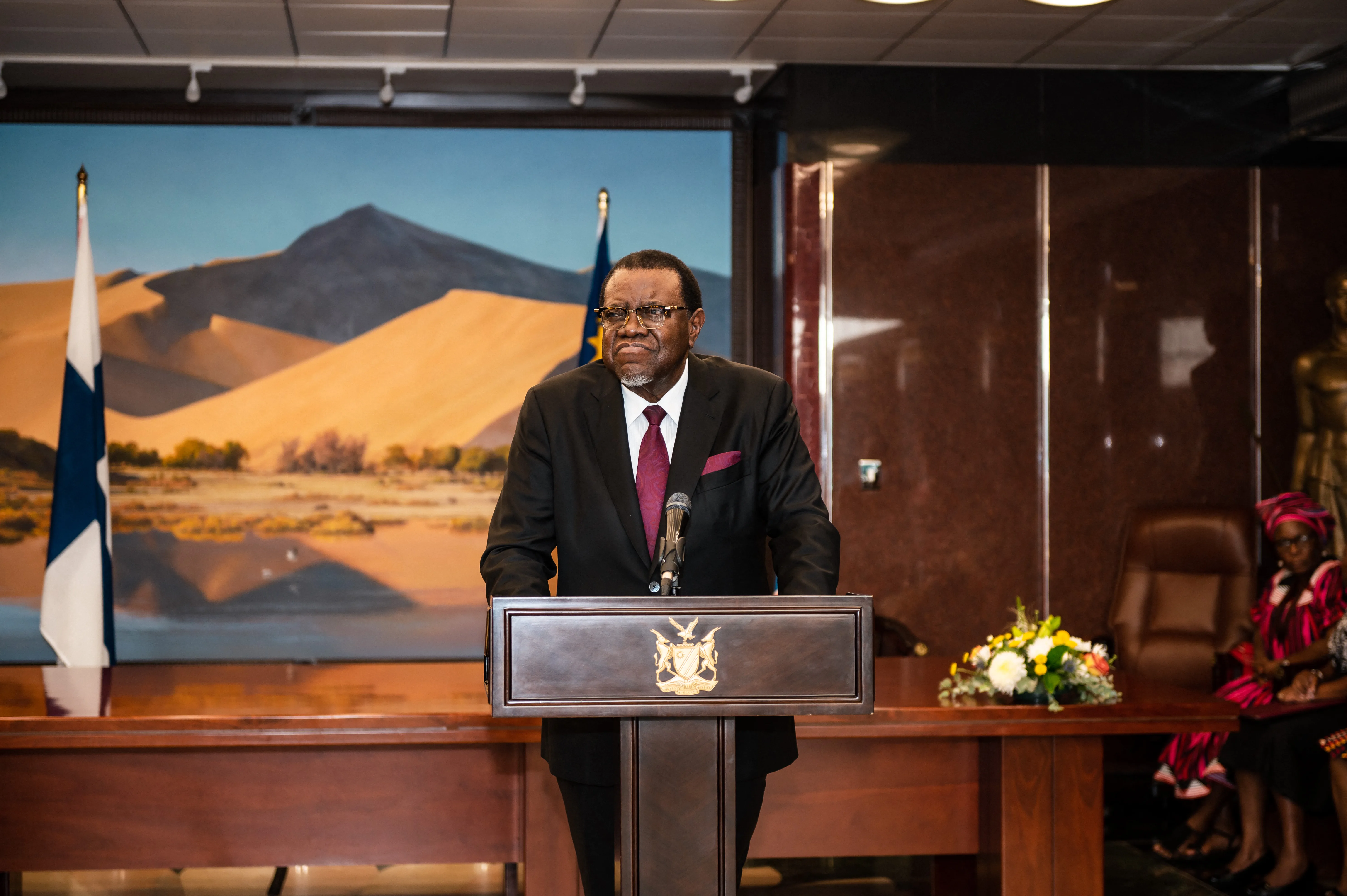
Namibian President Hage Geingob passed away in Windhoek on Sunday at the age of 82, after publicly announcing his cancer diagnosis. Shortly after his death, Geingob’s vice-president, Nangolo Mbumba, also aged 82, was sworn in as Namibia’s new leader. Mbumba will serve the remaining year of Geingob’s term but will not be running in the elections scheduled for November.
During his inauguration ceremony, Mbumba praised Geingob for his role in building the country’s institutions and entrenching stability, highlighting the calm and stability that the nation is experiencing during this time of loss.
Geingob was widely recognized by supporters and opponents as one of Namibia’s most influential political figures of recent decades, helping to shape the nation’s identity. He spent 27 years in exile during the struggle against apartheid South Africa’s occupation of Namibia. From 1975 to 1989, he directed the United Nations Institute for Namibia in Lusaka, training Namibians for roles in a post-liberation government. Geingob played a vital role in drafting the country’s constitution in preparation for independence in 1990 and then served as prime minister under President Sam Nujoma for a total of 15 years across two separate terms. He won the presidency in 2015 with 87% of the vote and was re-elected five years later, albeit with a reduced majority.
Geingob’s presidency will be remembered by most foreign investors, especially in the energy sector. Many energy-related companies invested in Namibia due to its natural resources and the political stability under Geingob. Some of the world’s largest oil and gas companies carried out exploratory drilling in the waters off Namibia, with Shell and Total reporting significant oil discoveries in 2022. The positive investment environment under Geingob led the African Energy Chamber to recognize his role in unlocking Namibia’s potential and contributing to continued investment and exploration.
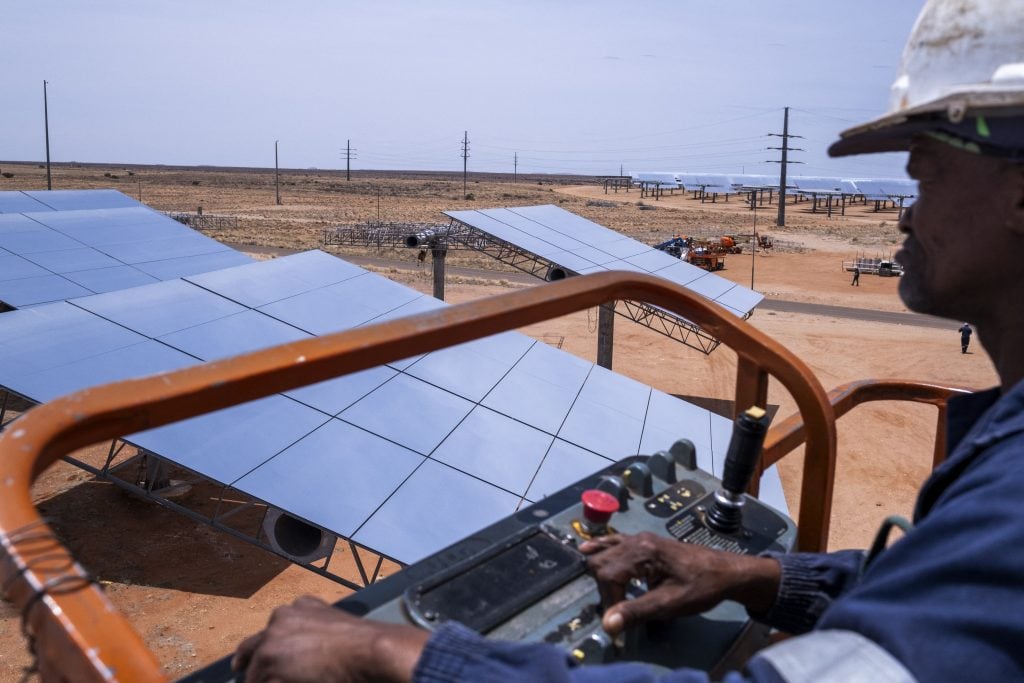
Apart from oil and gas, Namibia is also known for its potential in producing ‘green hydrogen’ using solar energy to power electrolysis that separates hydrogen from oxygen. Namibia’s green hydrogen ambitions have attracted significant interest from European countries, with projects aiming to produce 350,000 tonnes of green hydrogen annually.
While the November elections will proceed as planned, Geingob’s ruling SWAPO party has already selected Netumbo Nandi-Ndaitwah as its candidate for the presidency. Nandi-Ndaitwah previously served as deputy prime minister until Geingob’s death and now replaces Mbumba as vice-president. Given SWAPO’s historic political dominance, Nandi-Ndaitwah is considered the frontrunner to secure victory in November and become Namibia’s first female president.
As the nation moves forward, Geingob’s legacy and foundation will influence and guide his successors in building on the progress he made during his presidency. His leadership in fostering a stable and appealing investment environment will continue to be an influential factor in the country’s political and economic progression.