Rédaction Africa Links 24 with Shania Lazarus
Published on 2024-03-13 10:00:18
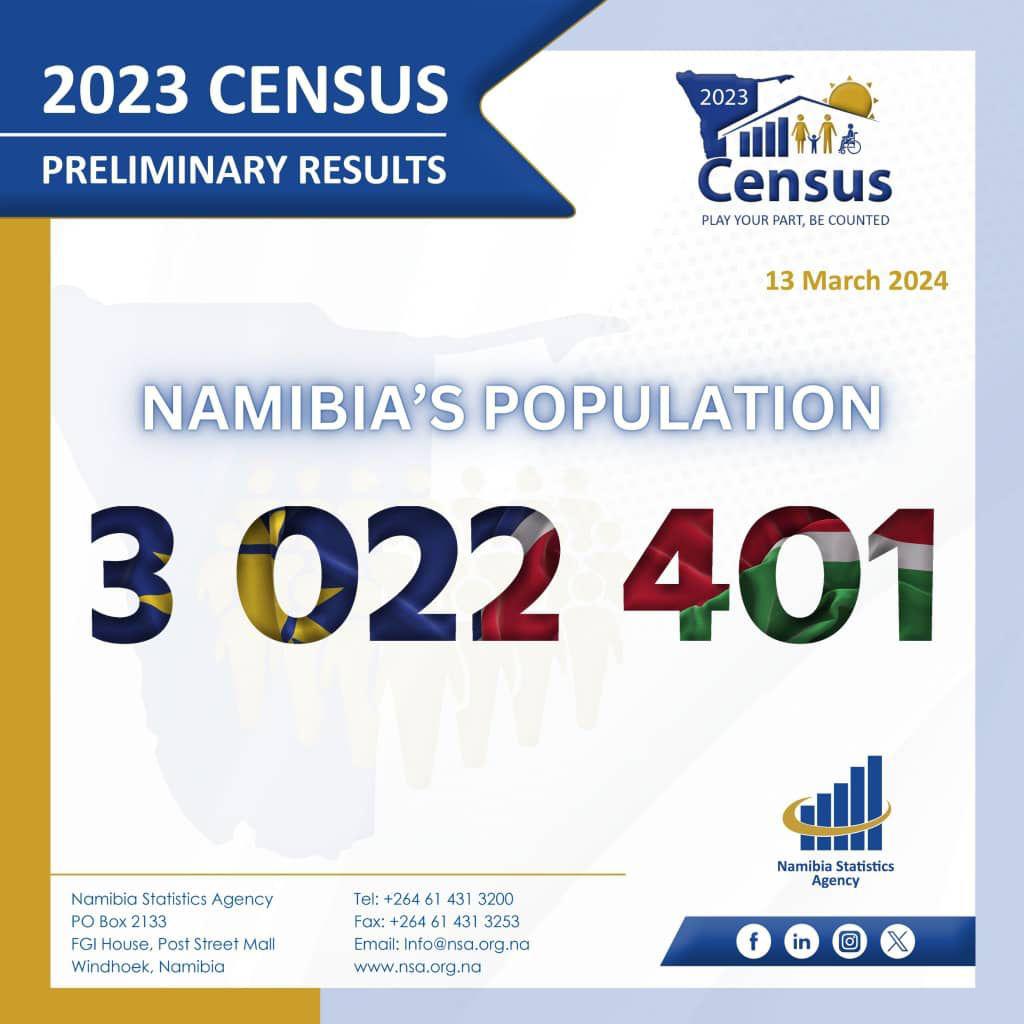
The Khomas region remains the most populous in Namibia, according to the latest Namibia Statistics Agency Population and Housing Census (PHC) preliminary report, with a population of 494,604. This represents a significant increase of 152,464 people in the region. On the other hand, the Omaheke region is the least populated, with a population of 102,881, which is nearly four times less than the Khomas region.
In terms of gender distribution, women make up the majority of the population at 51.2%, compared to men at 48.8%. This trend is accentuated as age increases, with women generally outliving men. The data was collected through a de facto approach, counting individuals based on where they spent the census reference night, with the goal of ensuring an accurate count without any omissions or duplications.
The report also reveals that 71.1% of Namibia’s population is under the age of 35, while the working-age population (aged 15 to 59) represents 56.1% of the total population. The Ohangwena and Oshana regions are the most densely populated, with 31.5 and 26.7 people per square kilometer, while the //Kharas region remains the most sparsely populated.
The average household size in Namibia has decreased from 4.4 people in 2011 to 3.8 people per household in 2023. The Kavango East and Kavango West regions have the largest average households, with 5.3 and 5.5 people per household, respectively, while the Erongo and //Kharas regions have the smallest average households at 3.1 people per household.
The final PHC results publication is scheduled to begin in the third quarter of the 2024/25 financial year. For those looking to stay informed with credible journalism, The Namibian offers in-depth reporting and opinions for only N$85 a month. Investing in journalism is investing in democracy. Subscribe now to support quality journalism.
In conclusion, the demographic data from the Namibia Statistics Agency PHC preliminary report provides valuable insights into the population dynamics of the various regions in Namibia. It highlights the growth trends, gender distribution, age demographics, and household sizes, painting a comprehensive picture of the population landscape in the country.
Read the original article on The Namibian