Rédaction Africa Links 24 with Walter Kariko
Published on 2024-02-25 06:00:00
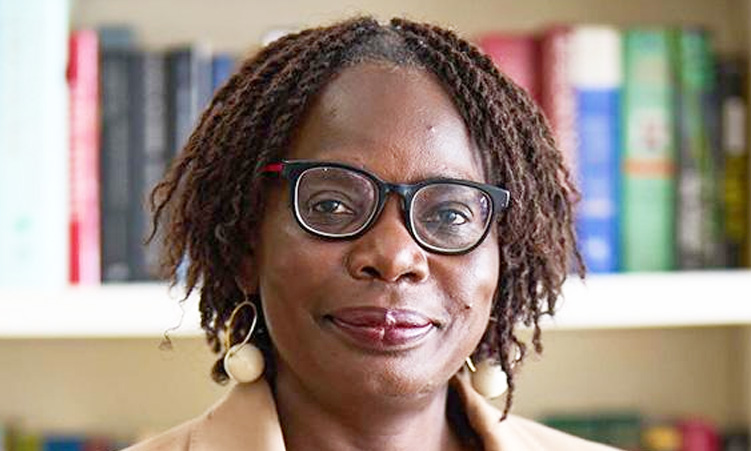
The justice ministry has come out in defense of its decision to appoint Kenyan professor Phoebe Okowa to represent Namibia’s legal argument at the International Court of Justice (ICJ) today. Namibia will be joining 51 other countries in a case concerning the legal implications of Israel’s occupation of Gaza and east Jerusalem.
Gladice Pickering, the executive director of the justice ministry, explained that Okowa was chosen for her expertise in public international law and her experience at the ICJ. She clarified that the decision to appoint a foreign legal counsel is a common practice worldwide and not unique to Namibia. Pickering cited the example of South Africa appointing a team for the genocide case earlier this year as a similar occurrence.
The appointment of Okowa was approved by Cabinet based on her academic qualifications in public international law, her previous work on a submission at the ICJ regarding climate change, and her past appearances at the ICJ. Pickering emphasized Okowa’s status as the first African female to serve on the international law commission and her expertise in the field.
Namibia will have a limited time of 30 minutes to present its case at The Hague. Justice minister Yvonne Dausab will start with introductory remarks for the first five minutes, followed by Okowa presenting the oral argument for the remaining time. Representatives from the international relations ministry and the attorney general’s office will also be present to support the submissions.
The stance taken by Namibia has sparked a debate, with varying opinions on the strength of the case. Some argue that Israel’s withdrawal of troops from Gaza in 2005 undermines the claim of occupation, while others point to international recognition of the situation in Gaza as evidence to support Namibia’s case.
During the proceedings, Israeli prime minister Benjamin Netanyahu rejected the legitimacy of the case, while countries like South Africa, Saudi Arabia, and Belgium condemned Israeli occupation as violent and illegal. The United States State Department’s legal adviser emphasized Israel’s security needs in discussions of withdrawal from occupied territory.
A panel of 15 judges at the ICJ is expected to take about six months to issue a non-binding advisory opinion on the request, which seeks clarification on the legal status of the occupation and its consequences.
In conclusion, the appointment of Professor Phoebe Okowa to represent Namibia at the ICJ highlights the country’s commitment to pursuing justice on the international stage. The case concerning Israel’s occupation of Gaza and east Jerusalem has sparked debate and garnered international attention, with a range of opinions on the legal implications of the situation. The outcome of the proceedings at the ICJ will have far-reaching consequences for both Namibia and the wider international community.
Read the original article on The Namibian