Rédaction Africa Links 24 with BBC
Published on 2024-02-21 11:22:31
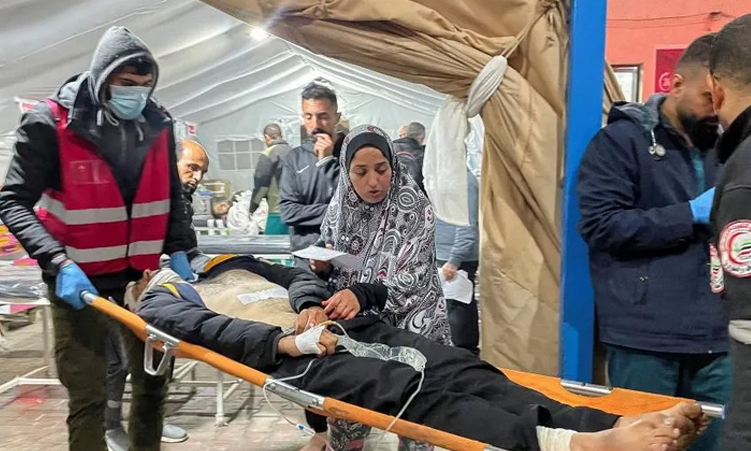
The healthcare system under extensive strain in the Gaza Strip is affecting millions of individuals, with doctors operating on patients without anaesthetic, turning people with chronic conditions away, and treating rotting wounds with limited medical supplies. Their situation is dire, with painkillers in short supply and hospitals overwhelmed. Doctors are left with no choice but to perform surgeries and procedures without anaesthetic due to the shortages. Wounds are left untreated causing complications and many patients facing conditions that result from living in overcrowded and unsanitary conditions.
The World Health Organisation (WHO) revealed that 23 hospitals in Gaza were not functioning at all, 12 were partially functioning, and one was minimally functioning. Due to air strikes and limited resources, Gaza’s healthcare infrastructure saw a drastic depletion, putting the lives of many vulnerable citizens at great risk. As a result, there has been a severe shortage of supplies and medical equipment, physicians are struggling to find critical medication such as painkillers, anaesthetics, and antibiotics.
Numerous hospitals are overcrowded, operating at over 300% of their bed capacity in certain areas with patients, where, in some instances, the patients are forced to lie on the floor with nothing at all covering them. The situation is heartbreaking, with many regional hospitals becoming non-operational, further straining the healthcare system in the Gaza Strip. This also means that patients with chronic conditions, such as those needing dialysis, are not getting the treatment they require. In some instances, people are even giving birth in tents without any medical support, and hospitals that provide midwifery services have limited capacity.
The situation is dire and many healthcare workers are struggling to care for their families, with significant restrictions and denials leading to a shortage of medical supplies and access to basic necessities. There are approximately 20,000 healthcare workers in Gaza, yet most of them are not able to work as they are struggling to survive and care for their families. The strain has taken a toll on many, with healthcare staff separated from their families for months. This compounds the problem, with the majority of hospitals already operating on limited resources and personnel.
According to the Israel Defence Forces (IDF), Hamas has been using hospitals and medical centers for terror activities, which has led to specific targeted action against these facilities. The IDF also claims that it is allowing humanitarian aid into Gaza, including medical supplies. Conversely, The WHO and other aid organizations continue to express concerns over repeated access restrictions and denials, impacting the delivery of critical medical supplies. Their main concern remains the wellbeing of the people affected and the ability to provide essential healthcare services during these challenging times.
The challenges faced by the people in the Gaza Strip are beyond words. The on-going conflict and the depletion of resources have led to an unimaginable strain on the healthcare system. Emergency care is being delivered under extremely difficult circumstances, with hospitals not able to function optimally due to limited medical supplies, overcrowded facilities, and the increasing number of people affected by the ongoing conflict. The situation is overwhelming and dire to the point that basic healthcare needs, such as pain relief, are unavailable to patients who are suffering from severe injuries and burns. There are urgent calls for international support and aid to provide necessary medical supplies, improve access to healthcare, and bring some relief to the struggling healthcare system in Gaza.
Read the original article on The Namibian