Rédaction Africa Links 24 with Staff Reporter
Published on 2024-03-05 16:25:07
A bill has been presented in The Gambia’s parliament with the aim of reversing the ban on female genital mutilation (FGM). This bill, introduced by an independent lawmaker, seeks to overturn the prohibition on FGM that was put in place in 2015 during Yahya Jammeh’s presidency. Jammeh, who ruled The Gambia in an authoritarian manner for 22 years, deemed FGM unnecessary in Islam and therefore outlawed the practice.
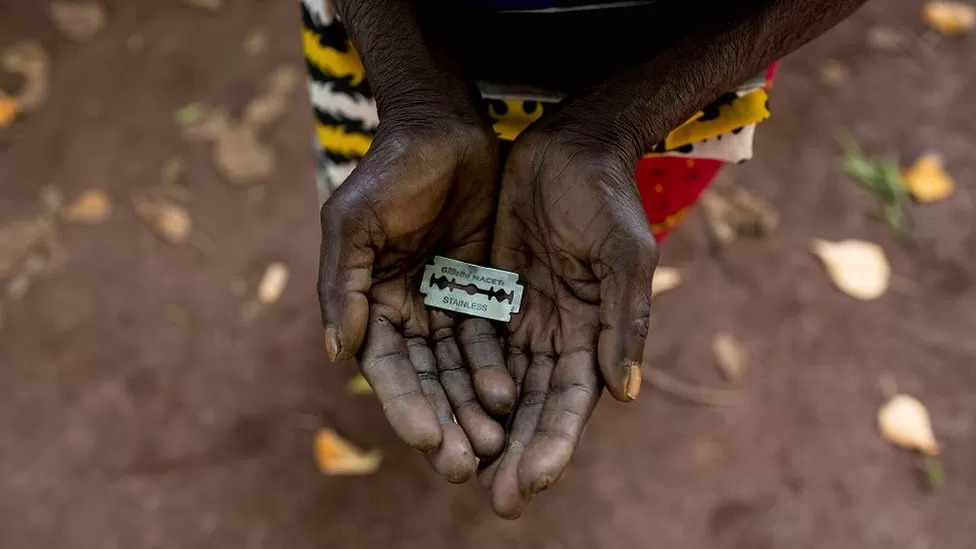
Despite the ban on FGM, which was supported by women’s rights activists, influential Muslim clerics have been advocating for its repeal. According to the United Nations, over three-quarters of Gambian females between the ages of 15 and 49 have undergone FGM, with the most severe form of the procedure involving the complete removal of the clitoris and stitching the genitalia shut to prevent sexual pleasure.
Supporters of the bill to lift the ban on FGM, led by outspoken Muslim cleric Abdoulie Fatty, gathered to show their solidarity just before the bill was presented in parliament. Chanting slogans like “Female circumcision is my religious belief, Gambia is not for sale,” they expressed their religious convictions in favor of the practice. Last year, Abdoulie Fatty helped cover the fines for three women who were convicted of performing FGM on young girls.
The Gambia Supreme Islamic Council, which represents the main body of Muslim clerics in the country, has also called for the ban on FGM to be abolished, highlighting the differing opinions within Islam on the practice. While some scholars in countries like Egypt oppose FGM, others, like Almammeh Gibba, the Gambian lawmaker supporting the bill, argue that it is essential to uphold religious purity and preserve cultural traditions.
In response to the proposed legislation, Anna Njie, the head of The Gambia’s Female Lawyers Association, expressed concerns about the potential repeal of the ban on FGM. She emphasized the importance of protecting fundamental rights, as enshrined in the constitution, and warned that legal action could be taken if these rights were violated.
The majority party leader in parliament, Billay Tunkara, stated that a decision had not yet been made regarding support for the bill. He acknowledged the complexity of the issue, citing considerations related to religion, culture, human rights, and health. Tunkara recognized the sensitivity of the matter and emphasized the need for careful deliberation before taking a stance on the proposed legislation.
As the debate over the bill to lift the ban on FGM continues in The Gambia, stakeholders from various sectors are weighing in on the potential ramifications of such a decision. The clash between religious beliefs, cultural practices, human rights, and health concerns underscores the complexity of the issue at hand. Ultimately, the fate of the bill and its impact on the practice of FGM in The Gambia remain uncertain as the parliament navigates this contentious issue.
Read the original article on The Namibian