Rédaction Africa Links 24 with BBC
Published on 2024-03-21 12:00:00
Working in extreme heat can pose a significant risk to pregnant women, as new research from India suggests that it can double the chances of stillbirth and miscarriage. The study, conducted by the Sri Ramachandra Institute of Higher Education and Research (SRIHER) in Chennai, involved 800 pregnant women in the state of Tamil Nadu, with half of them working in high-heat environments such as agriculture and brick kilns.
The findings of the study are alarming, showing that women exposed to extreme heat are twice as likely to experience a stillbirth or miscarriage compared to those working in cooler conditions. This risk is not limited to tropical climates like India, as hotter summers in countries like the UK also pose a threat to pregnant women. Researchers are calling for specific health guidelines to protect pregnant women globally.
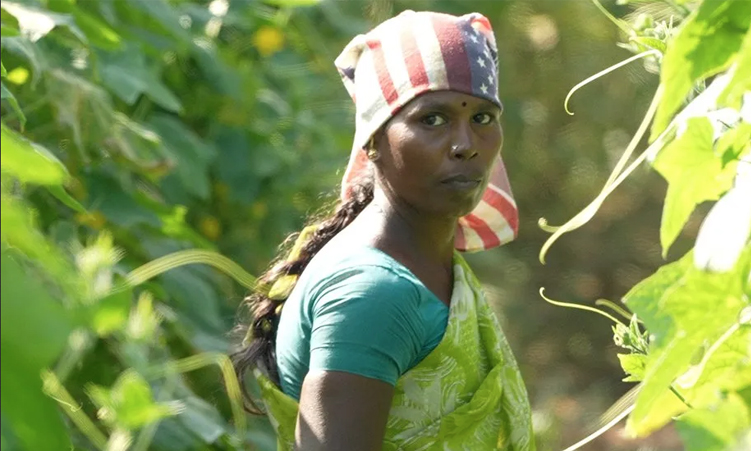
One of the pregnant women in the study, Sumathy, shared her experience of working in the heat while pregnant. She described the challenges of picking cucumbers in scorching temperatures, which not only affected her hands but also made her face burn. Despite the difficulties, Sumathy continued to work to support her family, but tragically suffered a miscarriage 12 weeks into her pregnancy.
The impact of heat on pregnant women is not well understood, but experts believe that it can lead to adverse effects on both the mother and the developing baby. As the average global temperature continues to rise, pregnant women face a heightened risk of complications during pregnancy. The lack of official guidelines for pregnant women working in high-heat environments underscores the need for more research and specific recommendations.
The study in Tamil Nadu used the wet-bulb-globe temperature (WBGT) to measure the effects of temperature, humidity, and radiant heat on individuals. Pregnant women working in physically demanding jobs under high heat conditions are particularly vulnerable to heat-related illnesses and pregnancy complications. Measures such as avoiding prolonged exposure to heat, taking regular shade breaks, staying hydrated, and refraining from strenuous activities during the hottest part of the day can help protect pregnant women.
In India, where temperatures are projected to surpass safe limits for healthy individuals, pregnant women like Sumathy and Sandhiya face significant risks while working in the heat to support their families. The study’s lead researcher, Rekha Shanmugam, emphasized the importance of providing alternative employment options and improving workplace conditions to protect pregnant women from the adverse effects of heat.
Efforts to address the challenges faced by pregnant women working in extreme heat include providing shade, education on heat protection, and access to cool drinking water. By raising awareness and implementing targeted interventions, the aim is to safeguard the health and well-being of pregnant women in high-heat environments. Despite the risks, stories like Sumathy’s, who welcomed a healthy daughter and son after receiving specific guidance and support during her subsequent pregnancies, highlight the importance of proactive measures to protect pregnant women in extreme heat.
Read the original article on The Namibian