Rédaction Africa Links 24 with Werner Menges
Published on 2024-03-14 17:00:00
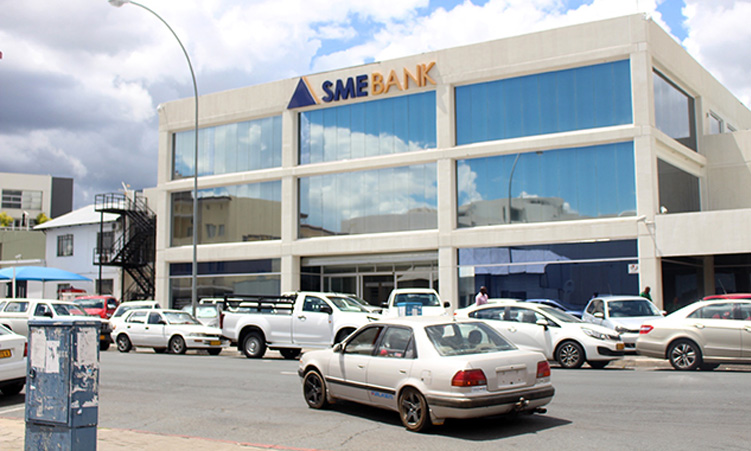
The Supreme Court recently ordered that documents detailing the extensive looting of Namibia’s Small and Medium Enterprises (SME) Bank be provided to the prosecutor general for further investigation. This decision was made in response to evidence that Enock Kamushinda, a key figure in the SME Bank, along with employees in the bank’s finance department, embezzled more than N$247 million before the Bank of Namibia intervened in March 2017.
In a judgement delivered by appeal judge Dave Smuts, it was emphasized that the criminal conduct involved in the looting of the SME Bank was of a massive scale and had severe repercussions on the bank’s deposit holders and creditors. The court deemed it necessary to provide the prosecutor general with the documents filed by the bank’s liquidators in the High Court, outlining the findings of their investigation into the theft.
Enock Kamushinda, who played a significant role in the establishment of the SME Bank as a director and deputy chairperson, was identified as a central figure in the embezzlement scheme. Despite evidence pointing to his involvement in serious crimes such as theft and violations of the Companies Act, no warrant for his arrest had been issued in Namibia at the time of the court’s ruling.
The Supreme Court’s judgement also highlighted the questionable conduct of lawyer Francois Bangamwabo, who represented Kamushinda, Metbank, and World Eagle Investments in legal proceedings related to the SME Bank’s financial affairs. The court called for an investigation by the Disciplinary Committee for Legal Practitioners into Bangamwabo’s actions, particularly concerning the lapse of an appeal filed by his clients against a High Court judgement.
Furthermore, the court affirmed the decisions made by the High Court, holding Kamushinda, Metbank, and World Eagle Investments accountable for the debts and liabilities of the SME Bank. Orders were issued for the payment of substantial amounts to the liquidators of the bank, totaling over N$1 billion. The Supreme Court emphasized the need for these orders to be executed without delay, given the severity of the financial misconduct uncovered in the investigation.
The extensive misappropriation of funds from the SME Bank, as revealed by the liquidators’ investigation, raised concerns about the oversight and regulation of the bank by the Bank of Namibia. The court questioned how such widespread looting of a registered bank could occur over an extended period, especially after auditors had raised concerns about questionable investments prior to the bank’s takeover by the central bank.
Despite the gravity of the situation, no legal representatives for Kamushinda, Metbank, and World Eagle Investments attended the Supreme Court proceedings to appeal against the High Court’s judgement. The SME Bank’s liquidators, represented by senior counsels, continued to pursue accountability for the financial irregularities uncovered in their investigation.
In conclusion, the Supreme Court’s ruling shed light on the need for a thorough investigation into the embezzlement at the SME Bank and the appropriate legal actions to hold those responsible accountable for their actions. The court underscored the importance of upholding the rule of law and ensuring justice is served in cases of financial misconduct that undermine the integrity of the banking sector.
Read the original article on The Namibian