Rédaction Africa Links 24 with Staff Reporter
Published on 2024-03-29 06:00:00
The Cosdec Swakopmund agriculture project is a initiative aimed at promoting agriculture, strengthening food security, increasing employment opportunities, and reducing waste in Swakopmund, Namibia. Established in 2021, the project has already achieved significant success in meeting its objectives.
One of the key components of the project is the delivery of a six-week course titled “Vegetable gardening for beginners” to over 200 community members. This training has empowered participants to grow their own food, provide for their families, sell surplus produce to increase household income, and even set up commercial vegetable production on their farms. Additionally, the project has helped 217 families, individuals, and community organizations establish backyard gardens by providing basic starter kits and ongoing support.
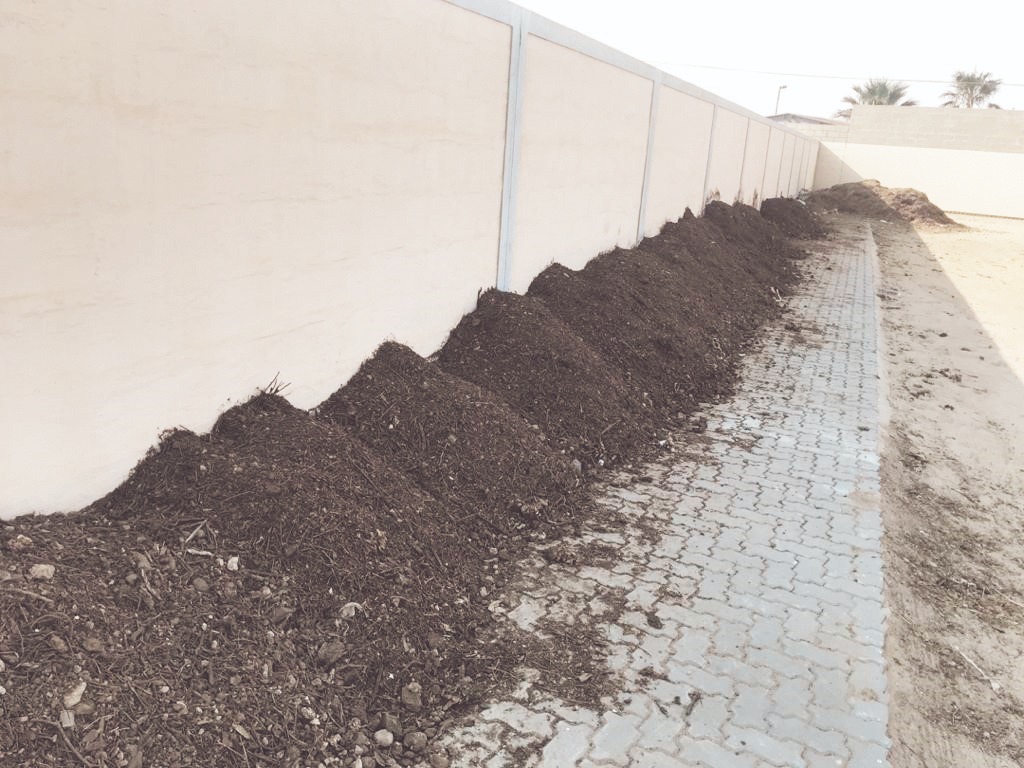
An important aspect of the project is its focus on sustainability and waste reduction. By diverting approximately 10 tonnes of waste from the municipal landfill each month towards compost production and worm farming, the project is contributing to a more environmentally friendly approach to agriculture. This waste diversion has not only reduced landfill pressure but has also produced over 200kg of vegetables per week, including spinach and radishes, despite the challenging sandy soil in Swakopmund. The fresh produce is supplied to local markets and restaurants, further supporting the community.
Through the sale of fresh produce, the project has been able to employ seven staff members, both full-time and part-time, and cover other project expenses. This income generation has been crucial in sustaining the project and expanding its impact in the community.
The project has four core aims that guide its activities. Firstly, it aims to improve food security by enabling local production of fresh vegetables and reducing dependence on costly imports. Secondly, the project focuses on creating employment opportunities, especially for women, to enhance self-sufficiency and economic stability for families. Thirdly, by reducing waste and promoting sustainable agricultural practices such as composting and organic fertilization, the project is contributing to a more sustainable environment. Finally, the project aims to promote knowledge and skills in sustainable agriculture through a multidisciplinary approach that includes soil health, plant physiology, seed saving, and financial sustainability.
In a significant development, the project signed an agreement with the United Nations World Food Programme to lead food security programs in five locations in Namibia. This collaboration has successfully revitalized food security initiatives in Olukula, Epako, Tsumkwe, Opuwo, and Stampriet, demonstrating the project’s commitment to expanding its impact beyond Swakopmund.
Overall, the Cosdec Swakopmund agriculture project has made substantial progress in achieving its goals of promoting agriculture, strengthening food security, increasing employment, and reducing waste. It serves as a beacon of sustainable and inclusive development in the community, showcasing the power of local initiatives in creating lasting positive change.
Read the original article on The Namibian