Rédaction Africa Links 24 with Charles Tjatindi
Published on 2024-04-11 13:00:00
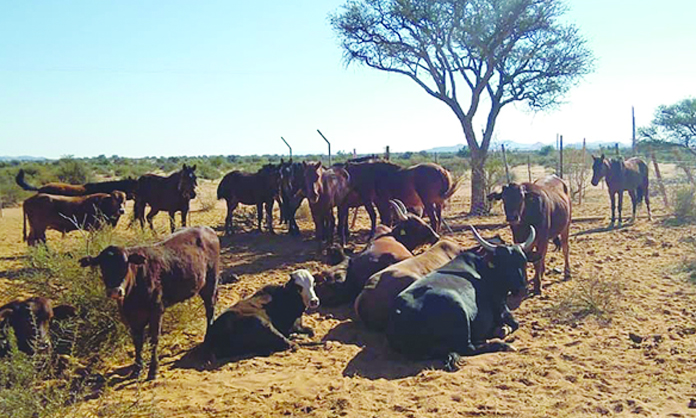
Communal farmers must be aware that they could be held liable for damages caused by their free-roaming livestock on public roads in the country. One such case occurred in Jakaalsdraai village, where Ezekiel Kaukuetu was ordered to pay over N$45,000 for damages caused by his cow to a vehicle owned by Lucia Tebele. The accident occurred on the C22 road connecting Gobabis and Aminuis, highlighting the risks posed by livestock wandering onto the road.
The village of Jakaalsdraai is just one of ten villages along the C22 road, where households are situated on both sides of the road, allowing livestock to roam freely between villages. Unlike other public roads passing through communal areas, this portion of the C22 is not fenced off to prevent animals from entering the road.
In this particular case, Tebele incurred repair costs and tow-in fees amounting to over N$65,000 for her vehicle after the accident. She argued that Kaukuetu failed to take necessary precautions to prevent his cow from straying onto the road, breaching his legal duty of care towards road users. Kaukuetu, on the other hand, claimed that there is no general duty for farmers in communal areas to fence off public roads passing through their properties.
Despite the lack of a legal obligation to fence off public roads, the court found Kaukuetu negligent for not properly containing his livestock at night, allowing them to roam freely. The judge ruled that Kaukuetu would be responsible for 70% of the damages claimed by Tebele, with Tebele covering the remaining balance due to contributory negligence on the part of her driver.
Aminuis constituency councillor Peter Kazongominja raised concerns about farmers losing livestock to speeding vehicles on the same road and questioned the fairness of expecting farmers to compensate for damages caused by vehicles hitting their livestock. President Nangolo Mbumba acknowledged the issue, suggesting the need for expert advice to determine the appropriate course of action in such situations.
It is evident from this case that communal farmers need to take precautions to prevent their livestock from wandering onto public roads and causing accidents. While there may not be a legal requirement to fence off roads, farmers must be mindful of their duty of care towards road users and ensure that their animals are properly contained to avoid such incidents. Collaborative efforts between farmers, motorists, and authorities are essential to address road safety concerns and mitigate the risks associated with free-roaming livestock on public roads.
Read the original article on The Namibian