Rédaction Africa Links 24 with Feni Hiveluah
Published on 2024-02-29 15:00:00
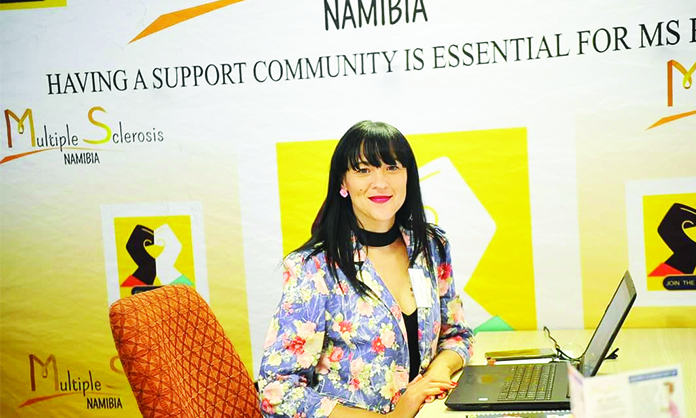
Rare diseases pose a significant challenge for patients in Namibia, as highlighted by Bianca Özcan, the head of the Namibian Alliance for Rare Diseases. One of the prominent issues faced by rare disease patients is that of misdiagnosis, exacerbated by the lack of proper diagnostic equipment in the country. In an interview with The Namibian on the eve of World Rare Disease Day, Özcan pointed out the difficulties faced by patients in receiving accurate diagnoses, especially when it comes to genetic testing, due to the limited facilities available in Namibia.
Moreover, Özcan emphasized the lack of patient education and advocacy in the country, noting that there are no direct links between patients and doctors. To address these challenges, Özcan and the SADC Rare Disease organization have proposed a policy recommendation to be discussed with the health ministry. The main objective of this proposal is to integrate rare diseases into the overall healthcare policies of Namibia, with a specific focus on making adequate resources available for rare disease patients in intermediate hospitals.
Encouraging stakeholders at all levels to join hands in raising awareness, Özcan stressed the importance of community involvement in creating an inclusive and supportive environment for rare disease patients. She highlighted the need for education starting at home, urging parents to teach their children empathy and respect towards peers with disabilities to prevent the erosion of patients’ self-esteem and dignity.
World Rare Disease Day, observed on the last day of February, serves as an opportunity for the Namibian Alliance for Rare Diseases, established in 2019, to advocate for increased awareness and support for those living with rare diseases in Namibia. Özcan expressed the organization’s commitment to driving positive change and providing essential support to individuals and families affected by rare diseases in southern Africa.
As part of the commemoration, the organization plans to light up hospitals in the colors of World Rare Disease Day to symbolize solidarity and support for rare disease patients. Through initiatives like these, the Namibian Alliance for Rare Diseases aims to draw attention to the unique challenges faced by those living with rare diseases and emphasize the need for greater awareness and advocacy in the country.
In conclusion, rare diseases continue to present complex challenges for patients in Namibia, underscoring the urgent need for improved access to diagnostic resources, enhanced patient education, and increased advocacy efforts. By working together and raising awareness, stakeholders can create a more inclusive and supportive environment for individuals living with rare diseases, promoting equality and equity in healthcare services.
Read the original article on The Namibian


