By Africa Links 24
Published on 2024-02-05 10:05:38
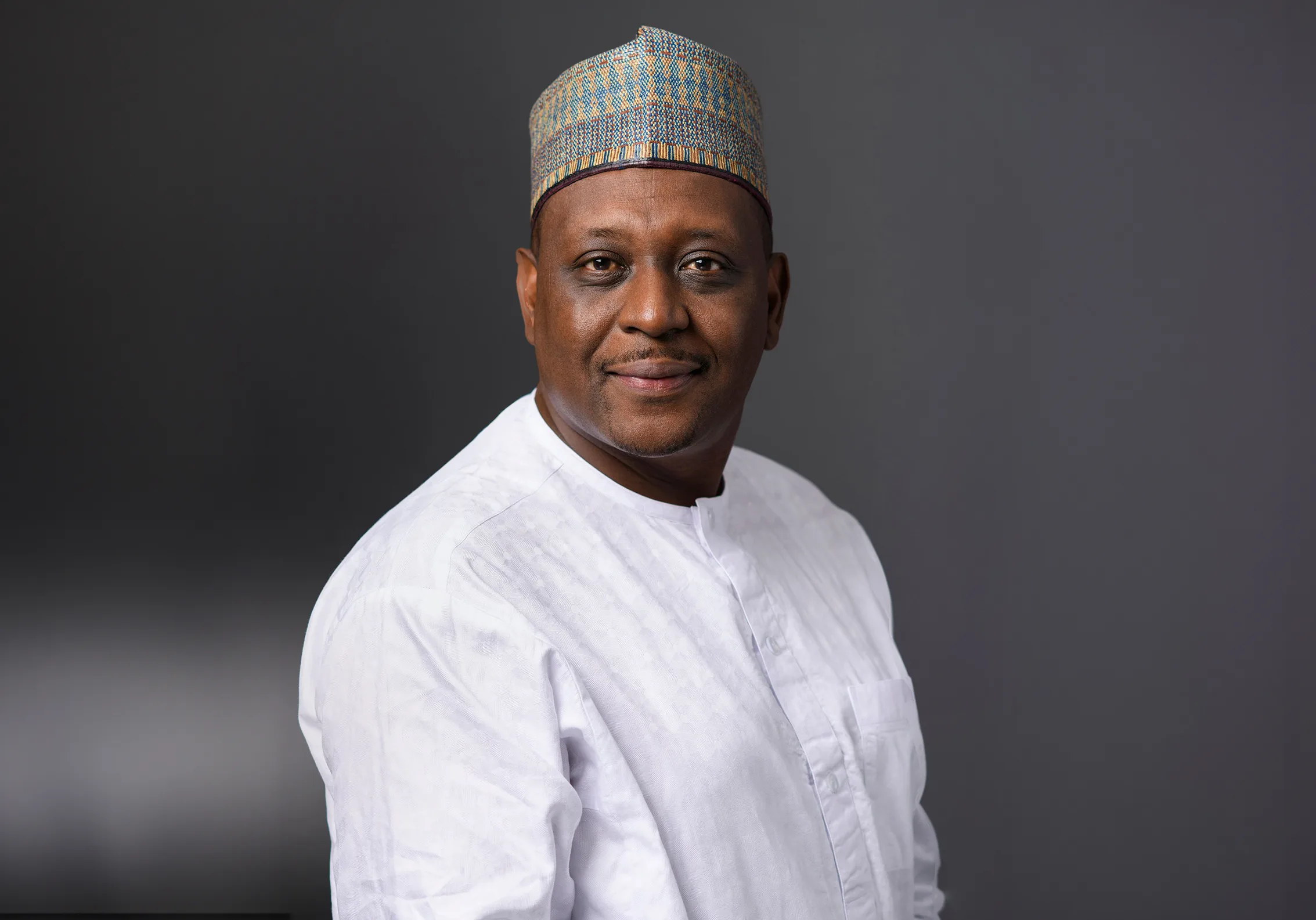
Before starting this current job as Nigeria’s coordinating minister of health and social welfare, Muhammad Ali Pate had a different path laid out for him. He was set to become the next CEO of GAVI, a global health partnership that promotes vaccination in developing countries. However, he chose to answer the call of national service and take on the challenge of revamping Nigeria’s health service, being a former health minister in the past. Nigeria’s health system is ranked 157th worldwide by the data provider Statista. It is estimated by the United States Agency for International Development that Nigeria has the second-highest number of people living with HIV globally, with 9% of all world’s patients. Additionally, Nigeria’s life expectancy as of 2019 was 61 for males and 64 for females. The country’s national health insurance scheme has only 5% enrollment, with inadequate infrastructure and a significant drain of practitioners who move to the West for better working conditions.
Pate is taking a methodical approach to revamping Nigeria’s health system. His focus is to utilize the available resources to deliver value and improve health outcomes. There are four pillars based on the administration’s view of what needs to be done in the sector. The first is to improve governance and coordination, the second is to invest in primary health and preventive care, the third is to unlock a health care value chain in the country, and the fourth is to ensure planning and monitoring to be better prepared for health outbreaks like pandemics.
One of the administration’s goals is to expand and invest in primary health care using the basic health care provision fund for Integrated Primary Health Care as part of the “Renewed Hope Agenda.” This also involves improving awareness and investment in vaccine-preventable diseases and basic diseases. Technology is seen as an important enabler for delivering services more efficiently, transparently, and accountably. Data and digital technology are key enablers that the sector will rely on. The government has invested N1.5 trillion (about $1.7bn) in the sector, and this figure will be matched by state governments as well as resources from development partners, totaling $3.5bn over the next three years.
Pate points out the importance of the participation of the private sector in unlocking a health care value chain in Nigeria. This will contribute to job creation and economic value. He emphasizes the need to change the approach of development partners to align with the priorities of the government. He cautions that if partners continue to implement their own priorities instead of aligning with the government’s priorities, poor results will continue.
There are strong aspirations to improve Nigeria’s health infrastructure and attract health professionals from the Diaspora to address the issue of outbound medical tourism. The administration also seeks to revitalize Nigeria’s pharmaceutical industry and expand its capabilities to produce safe and effective drugs and equipment.
Pate recognizes that it will take time and effort, but by investing in health infrastructure and attracting human resources, Nigeria aims to reverse the trend of outbound medical tourism and perhaps even attract external medical tourism. This, combined with plans to meet CEOs of biomedical companies in Europe and local manufacturers’ interest in the local production of healthcare equipment and consumables, reflects the administration’s commitment to improving Nigeria’s health system.