Rédaction Africa Links 24 with umajulius
Published on 2024-03-13 10:42:02
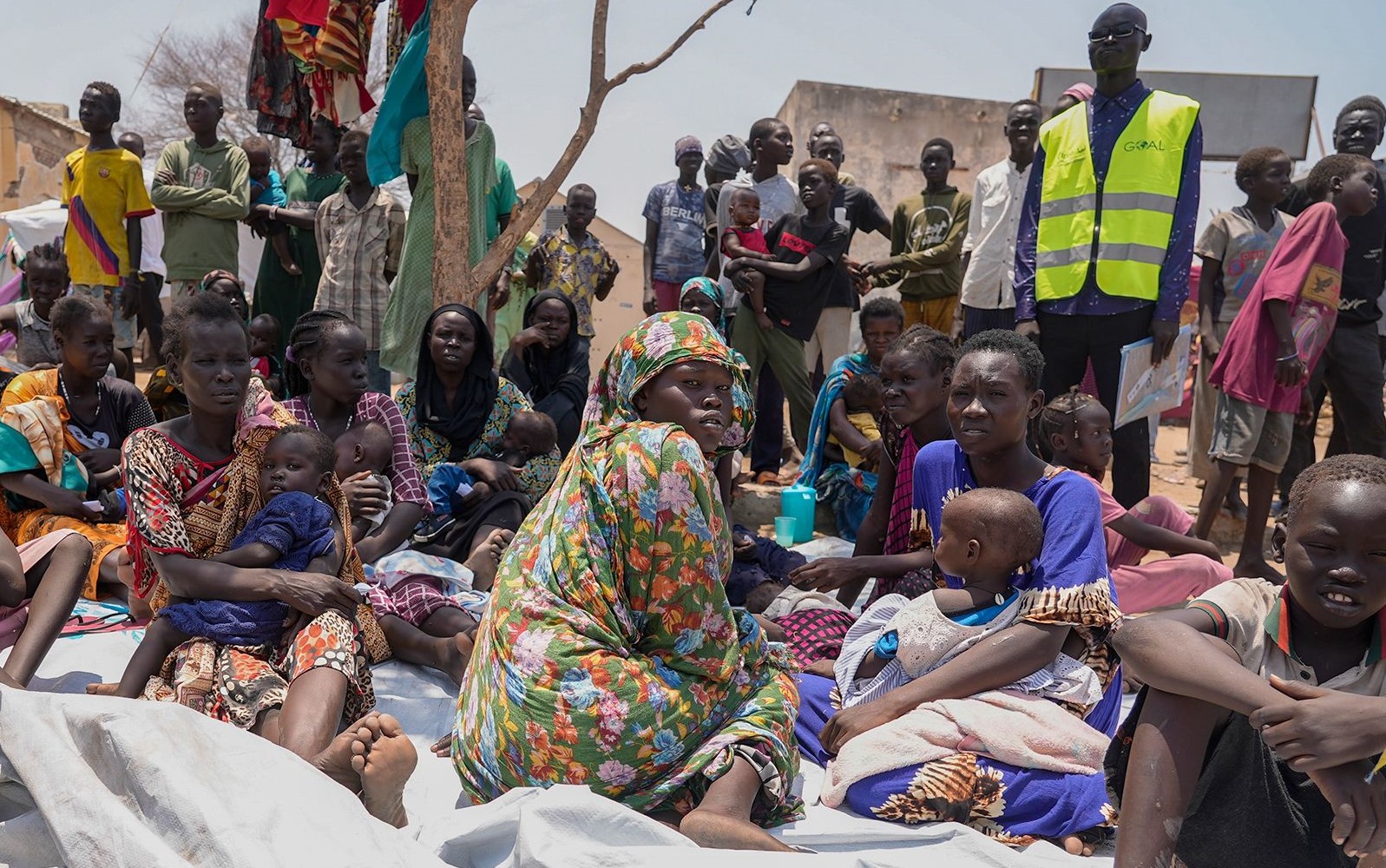
Since April 2023, Sudan has been plagued by conflict, leading to the forcible displacement of at least 8.3 million people, according to the United Nations. This includes 6.4 million internally displaced individuals and 1.7 million seeking refuge in neighboring countries. The situation has exacerbated the already large refugee populations in Sudan and its neighboring countries, necessitating additional support to provide protection and critical life-saving assistance to those affected by the crisis.
The urgent needs of the displaced population include access to water, food, shelter, healthcare, and essential relief items. Priority activities identified by the UN include the registration of new arrivals, the relocation of individuals away from border areas, the identification of vulnerable families and individuals with specific needs, and the establishment of mechanisms to prevent and respond to gender-based violence. Additionally, efforts are being made to ensure alternative care services for unaccompanied refugee children.
The impact of the conflict has extended beyond Sudan’s borders, with five neighboring countries also receiving a significant influx of Sudanese refugees. More than 500,000 people have sought refuge in Chad since the conflict began, and on average, 1,500 individuals cross into South Sudan daily, further straining humanitarian resources in the region.
The latest wave of violence in Sudan has left nearly half of the country’s 49 million people in need of aid. Reports indicate that by the end of 2023, 12,000 individuals had been killed as a result of the conflict, although the actual death toll is believed to be higher. The escalation of violence last April stemmed from long-standing tensions between the military, led by General Abdel Fattah al-Burhan, and the paramilitary Rapid Support Force (RSF) under Mohamed Hamdan Dagalo, also known as Hemedti, culminating in street battles in Khartoum and other areas.
The current conflict is an extension of a longstanding strife that began in 2003, when rebels from Sudan’s ethnic sub-Saharan African community launched an armed rebellion against the Arab-dominated government in Khartoum, citing discrimination and neglect. The response from then Sudanese President Omar al-Bashir’s government included aerial bombings and the deployment of the Janjaweed militia group, accused of heinous acts such as mass killings and rapes, resulting in the deaths of up to 300,000 people and the displacement of 2.7 million individuals.
The situation in Sudan remains dire, with millions of people in need of urgent humanitarian assistance as a result of the ongoing conflict. The international community must work together to provide support and protection to those affected by the crisis and address the root causes of the conflict to ensure lasting peace and stability in the region.
Read the original article on Sudan Tribune