Rédaction Africa Links 24 with Comores Infos
Published on 2024-03-15 09:26:21
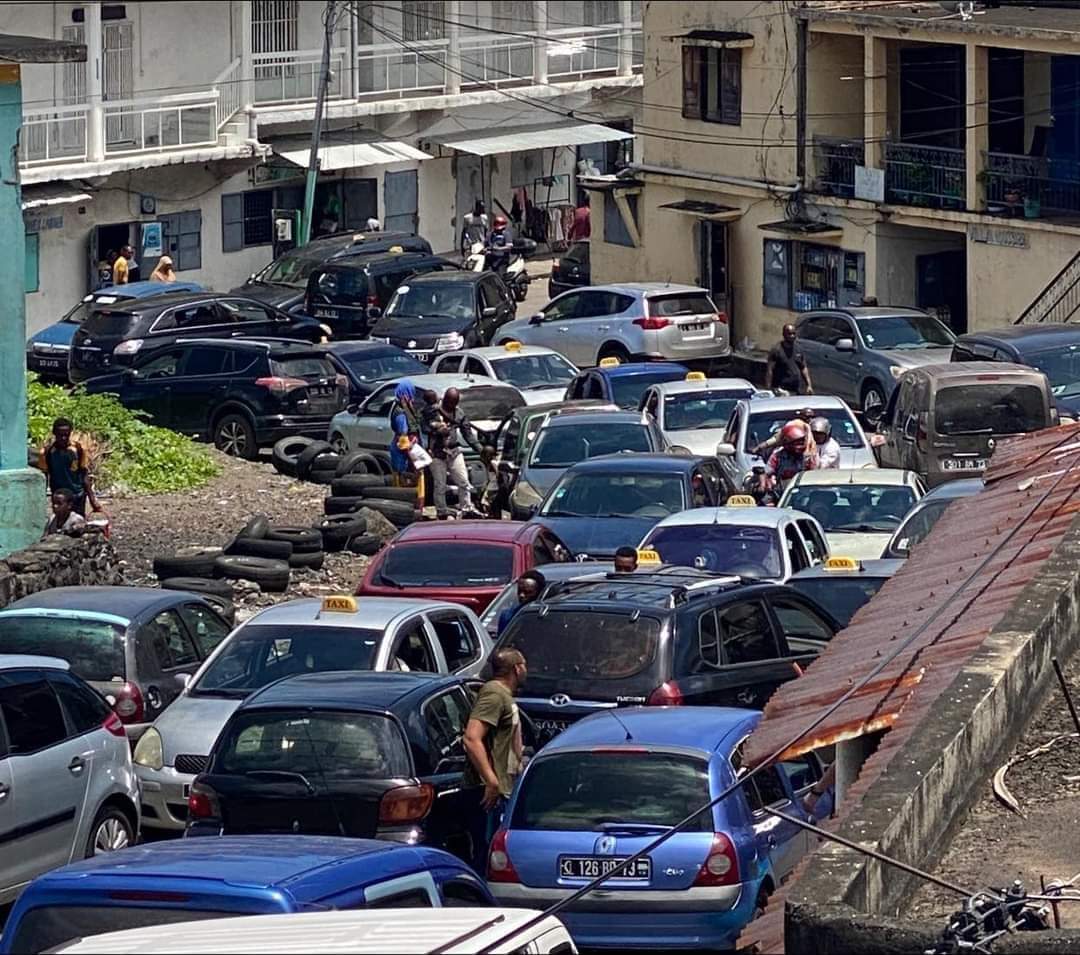
As Ramadan 2024 is in full swing in the Comoros, the residents of Moroni are faced with a reality that has now become routine during this sacred period: colossal traffic jams. This phenomenon, exacerbated during Ramadan, has its roots in a daily exodus of rural residents towards Moroni in search of food products for the nightly festivities. However, this congestion is not exclusive to this period; it is symptomatic of a deeper and persistent problem that affects the capital and beyond throughout the year. Since gaining independence, the Comoros archipelago has witnessed a dramatic increase in the number of cars, exceeding 120%, without significant development of the road network to accommodate this growth. This imbalance between the increasing number of vehicles and the stagnant road infrastructure capacity creates major challenges for urban mobility, turning every journey into a test of patience and endurance for the Comorians, especially during Ramadan.
History and Evolution
The Comorian car fleet has undergone a major shift in recent decades. Previously, owning a car in the Comoros was a privilege reserved for a few, reflecting a high social status and considerable wealth. This perception has gradually changed, partly thanks to the involvement of the Comorian diaspora. Remittances from abroad have not only boosted the local economy but also made car ownership more affordable for a larger portion of the population.
Democratization of the Used Car Market
The market for used cars in the Comoros has seen remarkable growth. The ease of access to these vehicles has been a boon for many families, allowing them to enjoy mobility that was previously out of reach. This democratization of the car market has been encouraged by lower prices and greater availability of vehicles, making them more accessible to a larger number of Comorians.
Consequences of the Increase in the Car Fleet
However, this rapid increase in the number of vehicles is not without consequences. Traffic jams have become common, with journeys taking an hour to cover less than 5 km during peak hours. This situation highlights the insufficient road infrastructure to handle such a influx of vehicles, affecting the quality of life and efficiency of urban travel.
Government responses and measures
Faced with this growing issue, government action appears to be limited at the moment. No significant measures have been taken to develop new roads or propose alternative transport solutions. This government inertia in the face of the urgency of the situation calls for a deep reflection on mobility and urban planning policies in the Comoros.
Socio-economic implications
The increase in the number of cars has certainly facilitated access to vehicles but has also led to major challenges such as traffic congestion and pollution. These problems have economic, social, and environmental repercussions, affecting the daily lives of Comorians and public health.
Challenges and Perspectives
The future of urban development and mobility in the Comoros must take into account these challenges. Sustainable solutions such as strengthening public transport, improving road infrastructure, and promoting alternative modes of transport are crucial to effectively address the increase in the car fleet.
The exponential growth in the number of cars in the Comoros underscores the urgent need for appropriate public policies and innovative solutions to manage urban mobility. By focusing on sustainability and inclusion, the Comoros can turn these challenges into opportunities for a more prosperous and resilient future. Collaboration between the government, civil society, and the diaspora will be key to developing and implementing these solutions, ensuring a harmonious and sustainable development of the archipelago.
ANTUF Chaharane
Read the original article(French) on Comores Infos