Rédaction Africa Links 24 with Tshepiso Ndhlovu, Lecturer and researcher, University of Mpumalanga
Published on 2024-02-11 08:05:42
In 2021, the under-five mortality rate in South Africa was almost 33 deaths per 1,000 children, a figure much higher than that of similar middle-income countries such as Brazil, Cuba, India, Indonesia, and Egypt. This rate also falls short of the UN’s Sustainable Development Goal to reduce under-five mortality to 25 deaths per 1,000 by 2030.
Although progress has been made since 1994 when the rate was at 60.4 deaths per 1,000, inequalities persist, particularly in the underfunded public health sector which serves 71% of the population. Additionally, many people in rural settlements rely on medicinal plants for their health, leading to the first global summit on traditional medicine by the World Health Organization in August 2023.
A study conducted in the North West province of South Africa focused on the use of medicinal plants as remedies against childhood diseases. The study revealed that 49.2% of the province’s population lives below the poverty line, lacking access to proper housing, water, and sanitation, which directly impacts children’s health.
Despite the high reliance on traditional medicine, the role of medicinal plants for childhood diseases lacked systematic documentation. The study aimed to address this by providing the first comprehensive inventory of medicinal plants and indigenous knowledge related to children’s healthcare in the area.
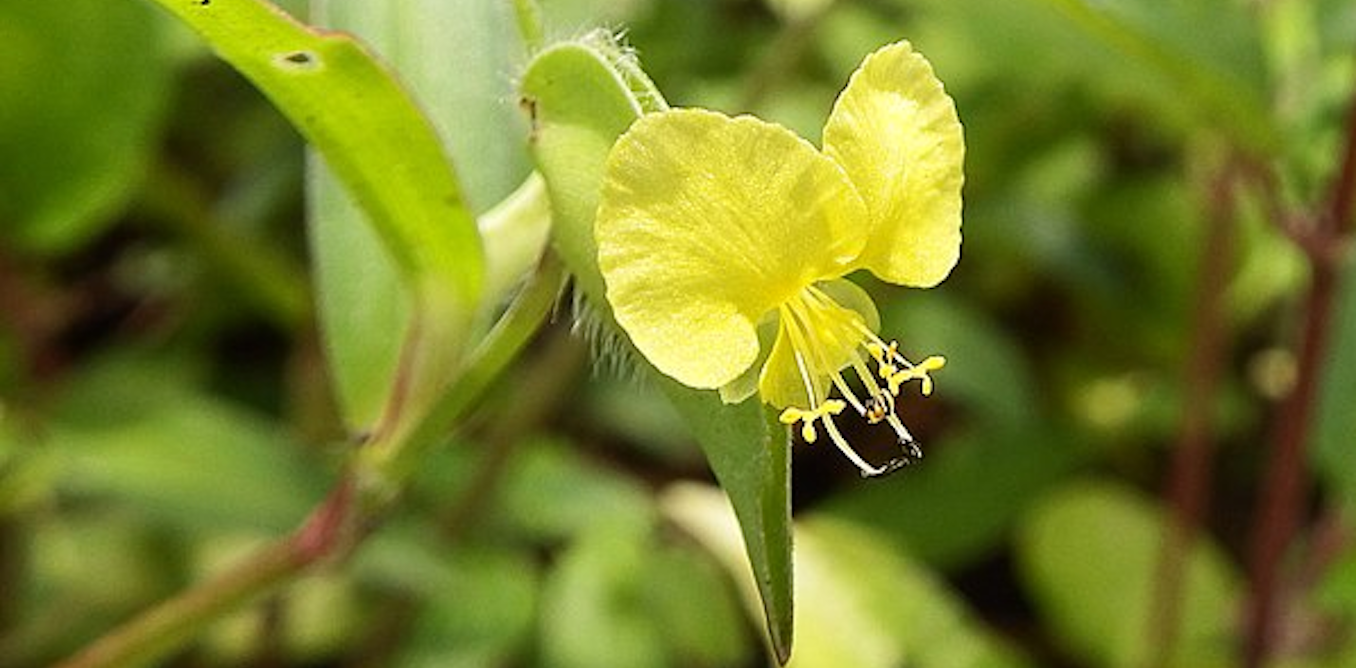
The research identified 61 plants from 34 families used for managing seven categories of diseases, with skin-related and gastrointestinal conditions being the most prevalent childhood health issues. Traditional health practitioners, particularly women, played an important role in managing childhood illness, using plants such as carpet plant, common yellow commelina, and elephant’s root for various health problems.
The study also emphasized the need for government support in documenting and testing the efficacy of herbal medicine, as well as the creation of botanical gardens to ensure the sustainability of medicinal plants. This is particularly important given the severe stress on ecosystems and the potential extinction of medicinal plants due to uncontrolled harvesting.


