By Rédaction Africa Links 24 with africanews.com
Published on 2024-01-17 12:21:04
Kidnapping and killings have resurfaced in Nigeria’s Federal Capital, Abuja, after a period of over 10 months of silence from the bandits. Last week, bandits attacked travelers on the Abuja–Kaduna highway, abducting over 30 people at Dogon-Fili near Katari, along the Kaduna-Abuja highway in Kachia Local Government Area of Kaduna State.
This marks the first breach in security along the road artery in over ten months. Additionally, 10 people were kidnapped in the Dutse-Alhaji area of FCT, Abuja, by gunmen dressed as military personnel who invaded the community in the evening.
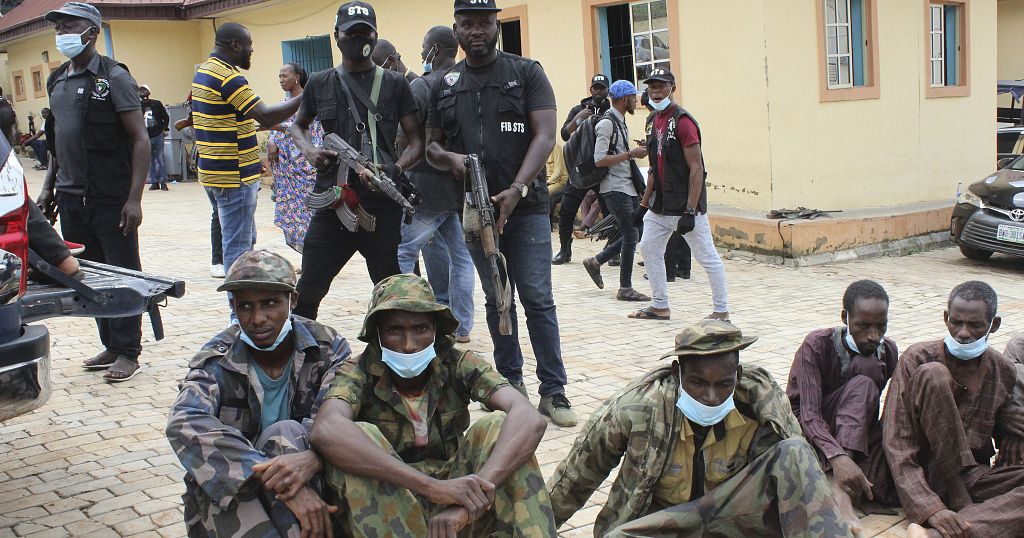
These unfortunate incidents highlight the disturbing reality that kidnappings, often carried out by individuals in military uniforms, persist despite official denials from the police. Residents are calling upon the government to provide more security for the region, expressing fear and concern over the recent events.
The rising tide of kidnappings in Abuja, a city known for its political and administrative significance, is a cause for alarm. However, security expert Dr. Jonathan Onoja Isaac believes that the government should be held accountable for the increasing insecurity in the FCT.
Isaac also emphasizes the need to address issues such as illiteracy and lack of education, as they hinder the progress of the fight against insecurity. The government’s failure to have statistics of landlords and their tenants in the various suburbs of the city is also a point of concern according to Isaac.
Moreover, a recent report from local media revealed that one of the six sisters abducted in the Bwari area council of FCT on January 5 had been reported dead in captivity. This tragic development has sparked outcry on social media, with many Nigerians lamenting the incident.
According to the report, from January 2021-June 30th, 2023, 40 kidnap cases were recorded in FCT Abuja, with a total of 236 victims. This alarming statistic underscores the urgent need for enhanced security measures in the region to safeguard the lives of residents and travelers.