Rédaction Africa Links 24 with Malawi Voice
Published on 2024-03-09 09:32:59
The importance of preserving Kaning’ina forest in Mzuzu cannot be overstated, as it directly impacts the city’s water supply. Authorities in Mzuzu have issued a warning to residents about the consequences of deforestation in the Kaning’ina forest, emphasizing that the destruction of this forest could lead to a severe water crisis in the city.
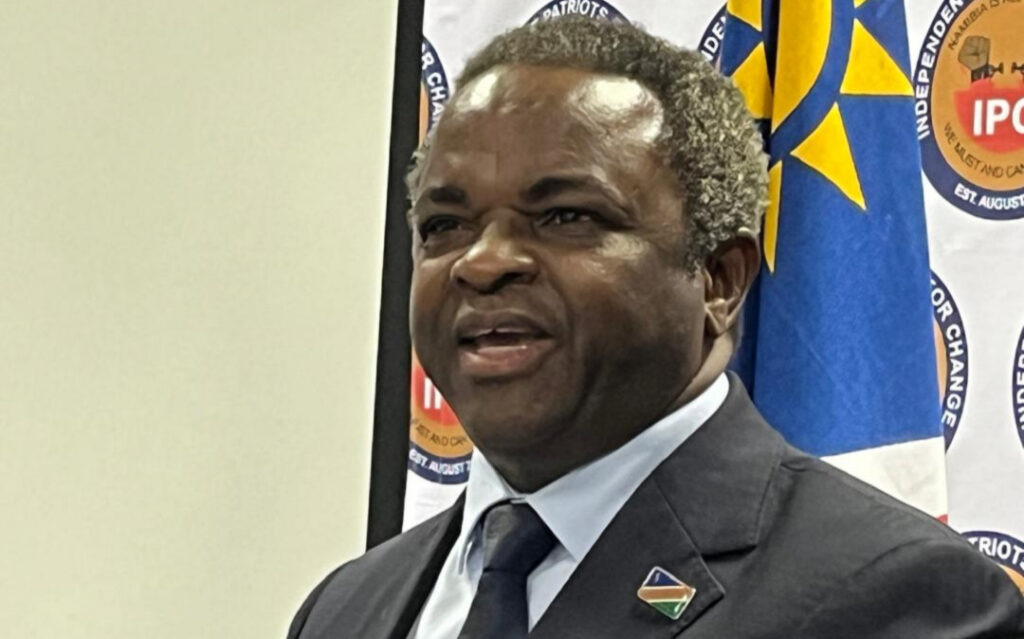
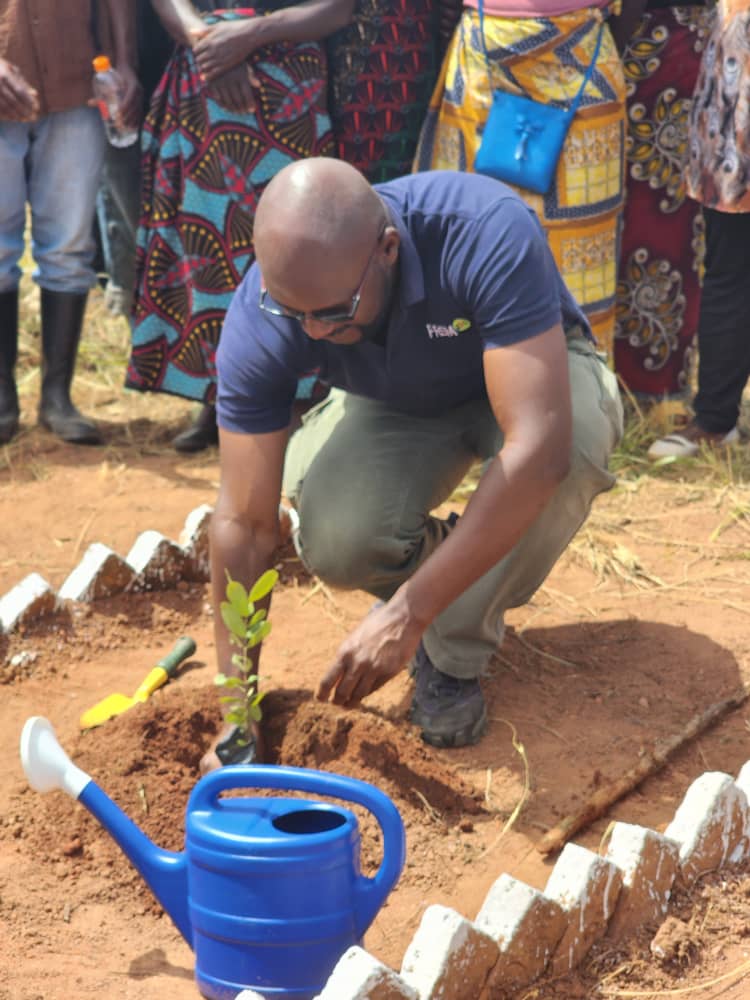
Northern Region Water Board (NRWB) Director of Operations, Engineer Dr. Ausmane Ungwe, highlighted the vital role of Kaning’ina forest in ensuring a sustainable water supply for Mzuzu. Speaking at a tree planting event in collaboration with the Public Relations Society of Malawi (PRSM) in the forest’s catchment area, Dr. Ausmane Ungwe stressed the need for conservation efforts to protect this critical ecosystem.
The tree planting exercise at Kaning’ina forest was a joint initiative between NRWB and PRSM, aimed at reforesting the catchment area to safeguard the city’s water supply. It brought together various stakeholders, including the Malawi Defense Force, Forestry Department, Mzuzu University, media organizations, and Mzuzu City Council, highlighting the collective effort needed to preserve the environment for future generations.
PRSM has been actively involved in afforestation projects across Malawi, partnering with different organizations to plant trees and promote environmental conservation. In a recent collaboration with the National Water Resources Authority, PRSM planted trees in Bua, Kasungu, demonstrating their commitment to environmental sustainability.
PRSM President, Benson Linje, expressed the organization’s readiness to engage with stakeholders and companies in environmental initiatives, while also offering training programs to enhance modern communication strategies. This holistic approach to environmental conservation not only benefits the ecosystem but also strengthens partnerships between organizations and communities for a sustainable future.
The tree planting efforts in Kaning’ina forest and other regions of Malawi are crucial in protecting the country’s natural resources and ensuring a reliable water supply for urban areas like Mzuzu. By raising awareness about the importance of forest conservation and engaging diverse stakeholders in environmental initiatives, organizations like NRWB and PRSM are making significant contributions to sustainable development in Malawi.
In conclusion, the collaboration between NRWB, PRSM, and other stakeholders in planting trees in Kaning’ina forest underscores the collective responsibility to preserve natural ecosystems for the well-being of communities and the environment. Through such initiatives, Malawi can mitigate the effects of deforestation, safeguard water resources, and promote a greener, more sustainable future for all.
Read the original article on Malawi Voice