Rédaction Africa Links 24 with M Abdo
Published on 2024-03-30 15:40:52
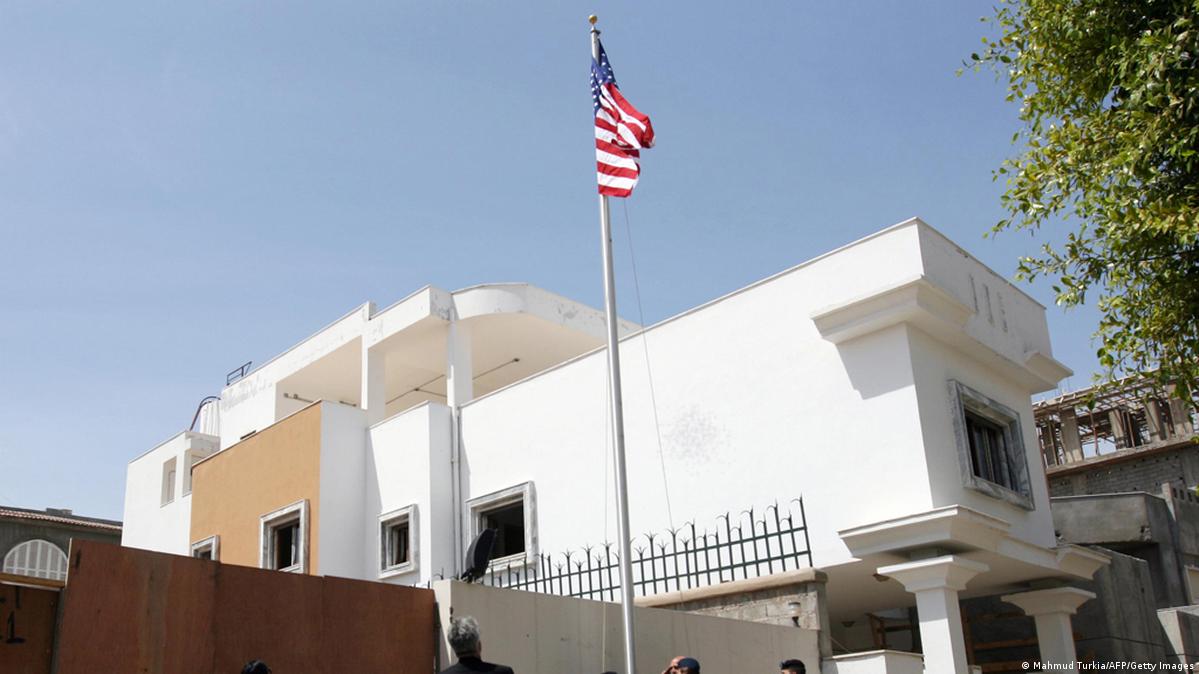
The Biden administration has taken a significant step in its foreign policy by notifying Congress of its intention to restore the US diplomatic presence in Libya. This move comes after a decade of unrest in the North African country, which saw US diplomats being forced to evacuate the US embassy in Tripoli.
The State Department has formally submitted notification to lawmakers, signaling the beginning of a process that is expected to take one to two years to establish a “temporary diplomatic facility” in Libya. A senior State Department official informed Al-Monitor about this development, highlighting the importance of re-establishing a diplomatic presence in the country.
Since 2014, the United States has not had an embassy in Libya, as its personnel were withdrawn under intense military guard due to fighting between militias in Tripoli. Following the evacuation, American diplomats relocated to Malta and then to Tunisia, where they now operate as a remote mission known as the Foreign Office for Libya.
The decision to restore diplomatic presence in Libya underscores the Biden administration’s commitment to engaging with countries in conflict and promoting peace and stability in regions marred by violence. Establishing a diplomatic facility in Libya will enable the US to have a direct channel of communication and engagement with the Libyan government and its people, allowing for enhanced diplomatic relations and cooperation on various issues of mutual interest.
The move also signifies the US’s recognition of the strategic importance of Libya in the geopolitical landscape of North Africa and the broader Middle East region. With its vast oil reserves, geostrategic location, and historical ties to Western nations, Libya plays a crucial role in shaping regional dynamics and security considerations.
By re-establishing diplomatic presence in Libya, the United States aims to support efforts to stabilize the country, facilitate the political reconciliation process, and address the humanitarian challenges faced by the Libyan people. The presence of American diplomats on the ground will help in advancing these objectives by providing diplomatic support, engaging with local stakeholders, and advocating for peaceful solutions to the ongoing conflicts in the country.
Moreover, restoring diplomatic ties with Libya reflects the Biden administration’s broader strategy of re-engaging with countries and regions where US influence has waned in recent years. By renewing its commitment to diplomacy and multilateral engagement, the US seeks to rebuild partnerships, strengthen alliances, and address pressing global challenges such as terrorism, extremism, and governance deficits.
In conclusion, the Biden administration’s decision to restore the US diplomatic presence in Libya is a significant and positive development that signals the US’s commitment to promoting peace, stability, and prosperity in the region. By re-establishing a diplomatic facility in Libya, the US aims to enhance its diplomatic engagement with the country and contribute to efforts to address the complex challenges facing Libya. This move underscores the importance of diplomacy in resolving conflicts and advancing US interests in critical regions around the world.
Read the original article on Libya Update